
 简体中文
简体中文 Русский
 Français
 Português
 Español
 لالعربية
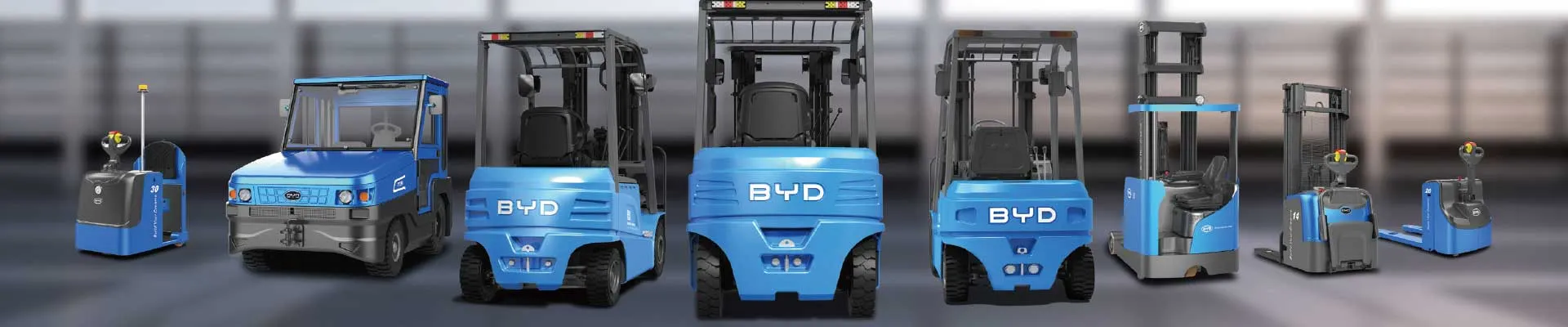
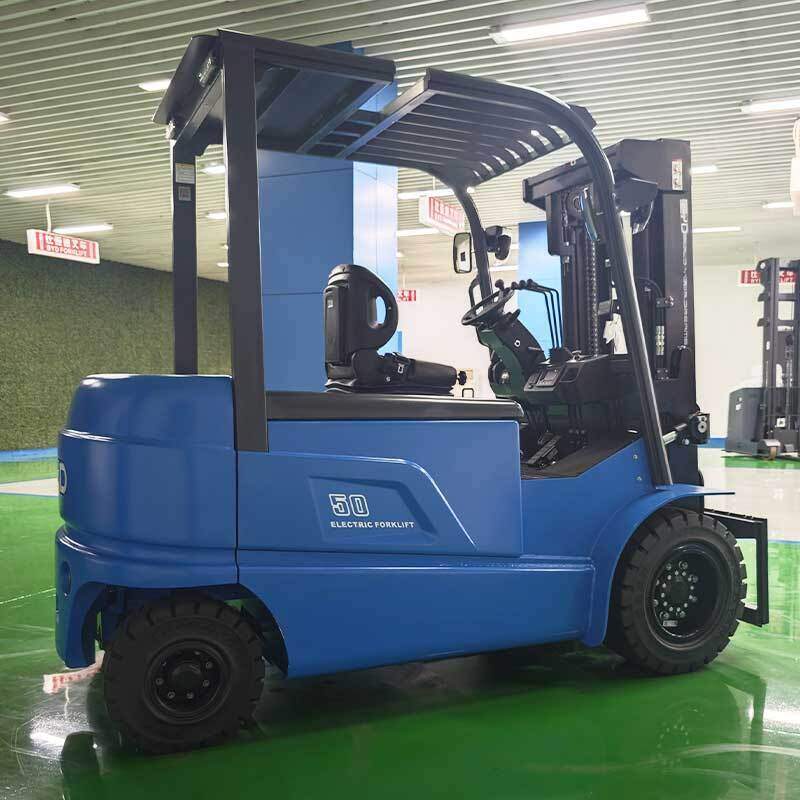
Against the general trend of low-carbon transformation in the global logistics and warehousing sector, electric forklifts have gradually become the mainstream material handling equipment in most operation scenarios. Many frontline practitioners and warehouse managers still lack systematic cognition of the reasonable selection, standard operation and daily maintenance of such equipment, which may restrict the full play of the equipment’s application value. This guide shares general professional knowledge in the electric forklift industry to provide practical references for relevant practitioners.
Core Functional Advantages of Electric Forklifts
Compared with traditional internal combustion handling equipment, modern electric forklifts produce almost no exhaust emissions during the whole operation process, which can meet the environmental protection requirements of closed indoor operation scenarios such as food storage and pharmaceutical warehouses. The noise generated during normal operation is also controlled at a relatively low level, which can reduce the noise interference to surrounding workers and the impact on the normal sorting operation process. The power output of electric forklifts is relatively stable during the whole working cycle, which reduces the risk of goods bumping and slipping in the process of high-frequency handling.
Scenario Matching Selection Principles
There is no uniform standard for the selection of electric forklifts for different operation scenarios. For large warehousing centers with continuous high-frequency operation all day long, users can give priority to models with large capacity energy storage configuration to reduce the frequency of supplementary power during peak hours. For narrow aisle sorting scenarios with limited space, models with more compact body size can be selected to improve the utilization rate of storage space. For outdoor operation scenarios on non-hardened roads, it is recommended to pay attention to the chassis ground clearance and waterproof protection level of the equipment, and there is no need to blindly pursue performance parameters far exceeding actual demand to avoid unnecessary cost waste.
Routine Operation and Maintenance Guidelines
Before each daily use, operators need to check the braking performance, remaining power status and wear degree of the fork first, and do not start operation when potential safety hazards are found. When the equipment needs to be stored for a long time, keep the energy storage module at a reasonable power level to avoid long-term placement in a full power loss state. Regularly clean the dust and sundries on the surface of the equipment, especially keep the heat dissipation area unobstructed, which can effectively reduce the probability of component failure and extend the overall service cycle of the equipment.


