
 简体中文
简体中文 Русский
 Français
 Português
 Español
 لالعربية
.jpg "Forklift Battery Size for a 3-Ton Electric: Planning Runtime(figure1)")
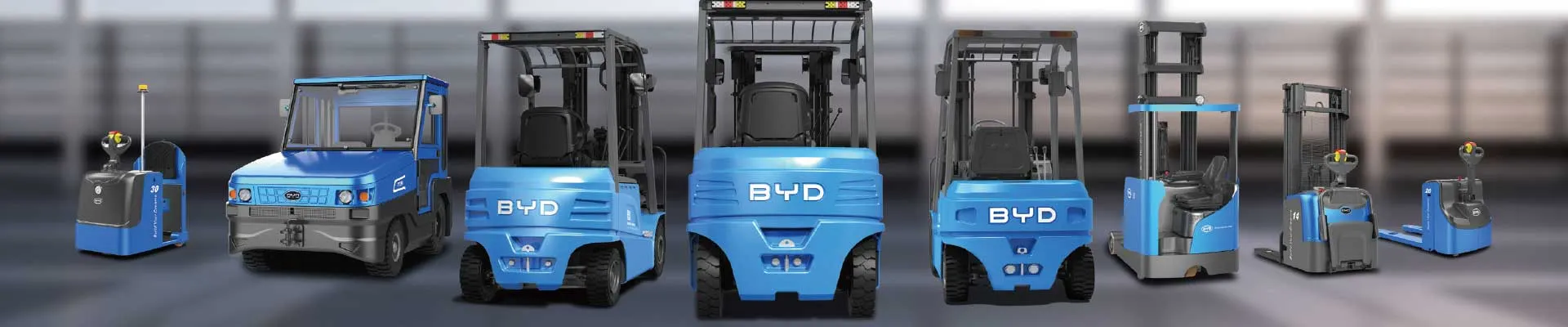
As low-carbon logistics development accelerates across the industrial sector, electric forklifts have become a core piece of handling equipment widely adopted in warehouse, manufacturing and port scenarios. Unlike internal combustion counterparts, electric forklifts feature quieter operation, zero local emissions and lower long-term operating costs, but their performance output and service cycle are closely linked to standardized operation and scientific daily management.
Standardized Daily Operation Specifications
During daily work, operators need to complete pre-start checks before using the equipment, including confirming the remaining power level, checking the flexibility of the lifting mechanism, steering system and braking function, and ensuring there is no abnormal leakage of the power system. When carrying goods, the load weight should be controlled within the rated load range of the equipment, avoid long-time overloading that may cause damage to the motor and bearing components. It is also not recommended to drive on slopes that exceed the equipment's design limit, or turn sharply on slippery ground to prevent side slipping and unnecessary wear of the tire parts. Operators should also keep a clear view of the travel route during operation, and avoid sudden acceleration or sudden stop actions to reduce additional consumption of power energy.
Routine Maintenance Points for Core Components
Regular maintenance work should be arranged according to the actual frequency of equipment use. For the power battery assembly, operators should avoid over-discharging the battery to less than 20% of remaining capacity before charging, and complete the full charging process in a dry, ventilated environment that meets safety requirements. The moving connection parts of the lifting mast need to be cleaned and coated with special lubricant on a regular cycle, to reduce friction resistance and avoid abnormal jamming during high-frequency lifting operations. Operators also need to regularly check the tightness of the electrical wiring interface, and remove accumulated dust and debris on the surface of the heat dissipation structure, to prevent overheating during long continuous operation.
Measures to Improve Overall Operational Efficiency
To give full play to the advantages of electric forklifts in material handling, logistics managers can arrange operation routes reasonably according to the warehouse layout, reduce unnecessary long-distance back-and-forth driving, and make full use of the low-noise feature of the equipment to arrange flexible handling operations in non-working hours without disturbing surrounding staff. Properly arranging the peak charging time can also avoid the impact of insufficient power during the peak working period, and further balance the operation cost and use effect of the equipment. Following the above scientific management methods can help enterprises give full play to the use value of electric forklift equipment, create a safer and more efficient material handling environment for the industrial production and warehouse operation scenarios.


