
 简体中文
简体中文 Русский
 Français
 Português
 Español
 لالعربية
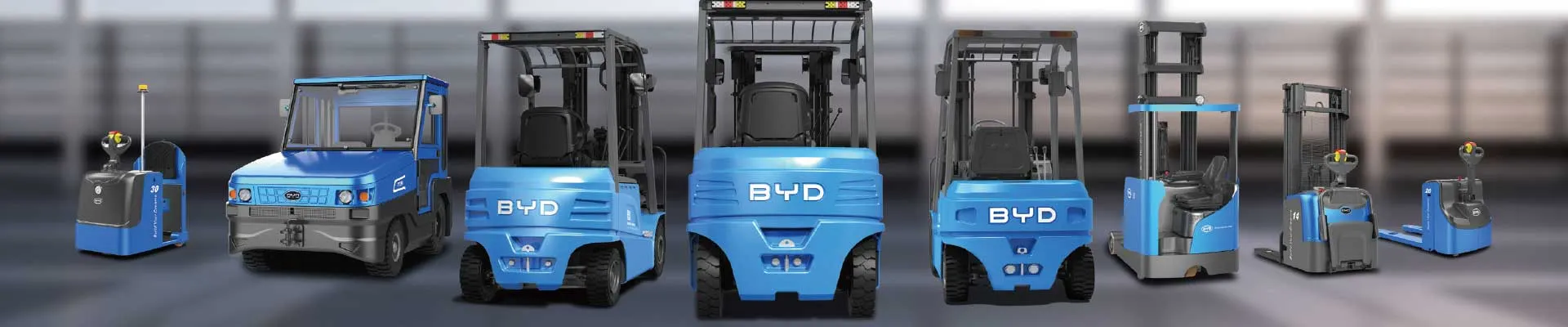
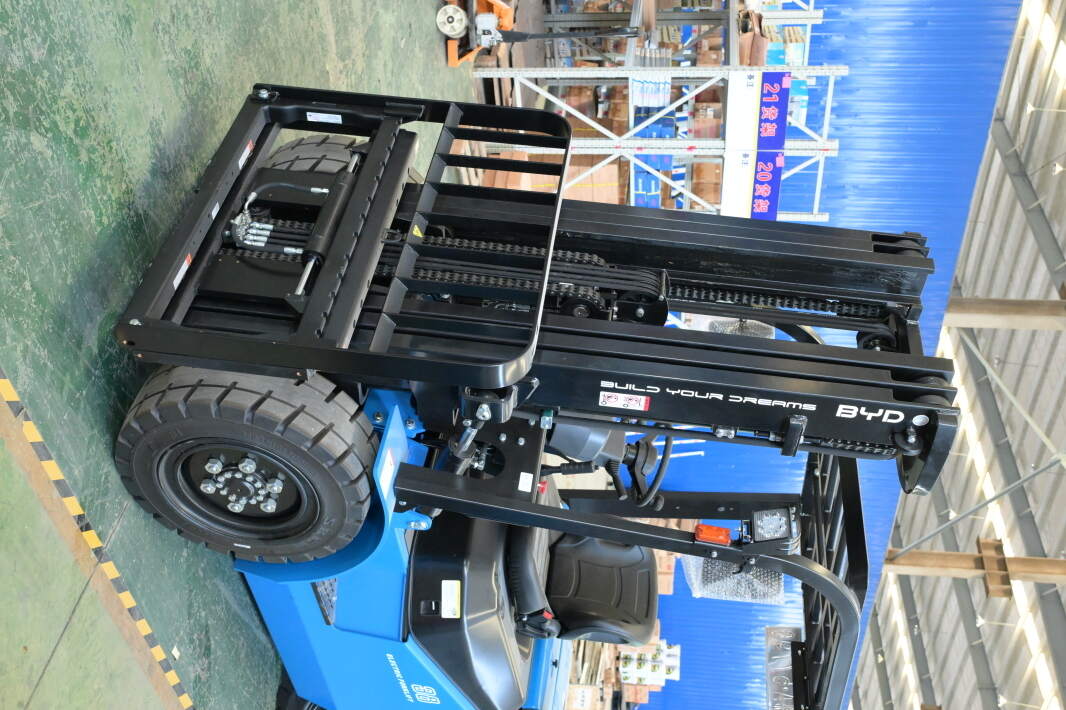
Against the background of low-carbon transformation in modern industrial logistics, electric forklifts have become one of the most widely used material handling equipment in closed warehousing, factory workshop and distribution center scenarios. Different from traditional internal combustion forklifts, electric forklifts rely on electric energy drive, which puts forward different requirements for operation norms and daily management for front-line operators.
Core Performance Features of Electric Forklifts for Daily Scenarios
Most modern electric forklift models adopt energy-efficient drive systems, which generate far less noise and exhaust emission during operation, making them more suitable for long-time working in relatively enclosed indoor spaces. The overall weight distribution of the equipment is more balanced during the handling process, which can provide relatively stable support for the movement of heavy pallet goods at low and medium running speed. For daily repeated short-distance handling work, electric forklifts can maintain relatively consistent output performance after long hours of continuous operation under rated load, without obvious power attenuation that affects normal work rhythm.
Standard Operation Norms to Reduce Unnecessary Equipment Loss
Operators need to complete pre-operation inspection before starting the equipment every shift, including checking the remaining power level of the power unit, the flexibility of the steering system, the sensitivity of the brake function, and the integrity of the carrying fork structure. During the operation process, it is not recommended to start, stop or steer the vehicle sharply under fully loaded state, and keep the goods at a proper low height when moving in the channel, to avoid collision with shelves or other surrounding facilities. After the daily work is finished, operators need to park the equipment in the specified designated area, turn off the power supply completely, and connect the power unit to the matching charging device according to the operation guidance to complete the daily energy supplement.
Basic Daily Maintenance Points for Front-line Teams
For the daily maintenance of electric forklifts, the on-site management team can arrange regular cleaning of the dust and debris accumulated on the surface of the drive motor, power interface and walking wheel structure, to avoid foreign matter affecting the normal operation of key components. It is suggested to arrange regular professional inspection for key load-bearing structures and electrical connection components, to find hidden risks in the early stage and avoid sudden equipment failure that interrupts daily operation. Following scientific management rules can help extend the service cycle of the equipment and create more stable value for the daily material handling work of the warehousing site.


