
 简体中文
简体中文 Русский
 Français
 Português
 Español
 لالعربية
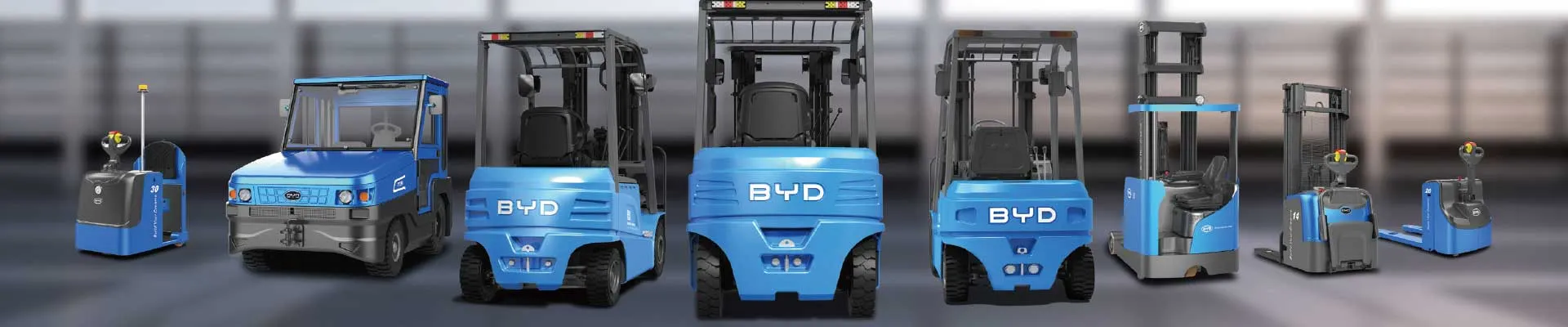
.jpg "Forklift Mast Options for 3-Ton Electric Trucks(figure1)")
As the logistics and warehousing industry continues to pursue low-carbon operations and reasonable cost control, electric forklifts have become one of the most widely used material handling equipment in various indoor and partial outdoor working scenarios in recent years. Many warehouse operators and frontline practitioners hope to master systematic practical knowledge to give full play to the value of such equipment in daily work.
Core Functional Advantages of Modern Electric Forklifts
Compared with traditional internal combustion handling equipment, electric forklifts produce no tail gas emission during operation, which effectively meets the environmental protection requirements of enclosed warehouse spaces with poor ventilation conditions. Their overall operating noise is kept at a relatively low level, which will not cause continuous interference to the normal communication of on-site staff and the storage status of noise-sensitive goods. The energy cost per unit of use is also at a relatively controllable level after long-term statistical calculation for enterprise users.
Standardized Operation Points for Daily Use
Operators need to receive professional pre-job training before officially using the equipment, and they need to check the remaining power status, the flexibility of the steering system, the braking sensitivity and the intact condition of the loading and unloading forks before each start-up. During the operation process, it is necessary to avoid sudden acceleration and sharp steering when the equipment is carrying loads, keep the goods in a stable and centered stacking state, and do not allow personnel to stand or walk under the suspended cargo forks to avoid potential safety risks in working scenes.
Daily Maintenance Guidelines for Long-term Stable Operation
Regular daily maintenance work can effectively reduce the failure rate of electric forklifts in long-term use. After each daily work is completed, the staff should wipe off the dust and residual sundries on the surface of the equipment, check the wear degree of the tire surface, and carry out standardized charging operations in the designated ventilation and heat dissipation area. The professional maintenance personnel can regularly check the aging status of the power line assembly and the lubrication degree of each moving connection part every 30 to 45 working days, to effectively extend the overall service life of the equipment.
Scenario Matching Optimization Suggestions
When arranging the use of electric forklifts, the management personnel can allocate corresponding models according to the average weight of daily handling goods, the width of the passage in the warehouse and the height of the goods shelf, to avoid the mismatch between equipment performance parameters and actual work demands, so as to further improve the overall operation efficiency of the whole warehouse material handling link.


