
 简体中文
简体中文 Русский
 Français
 Português
 Español
 لالعربية
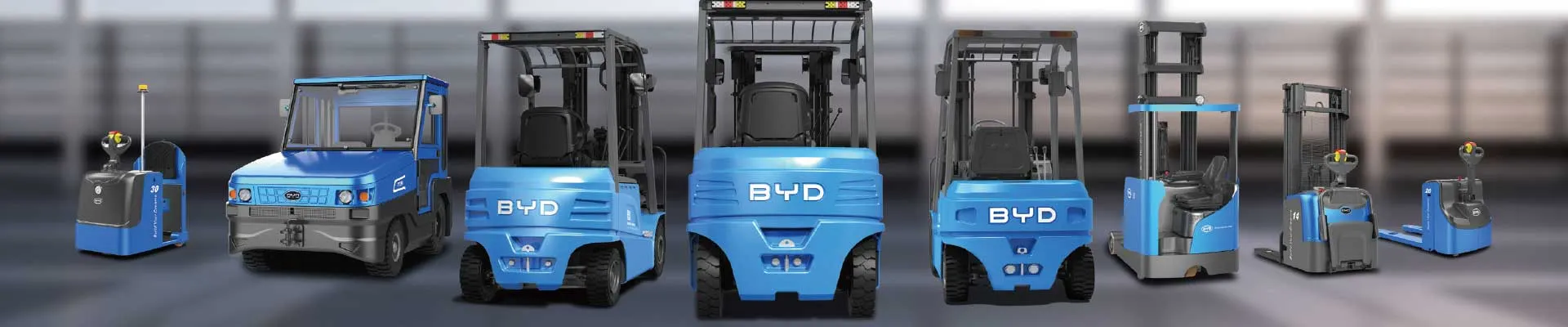
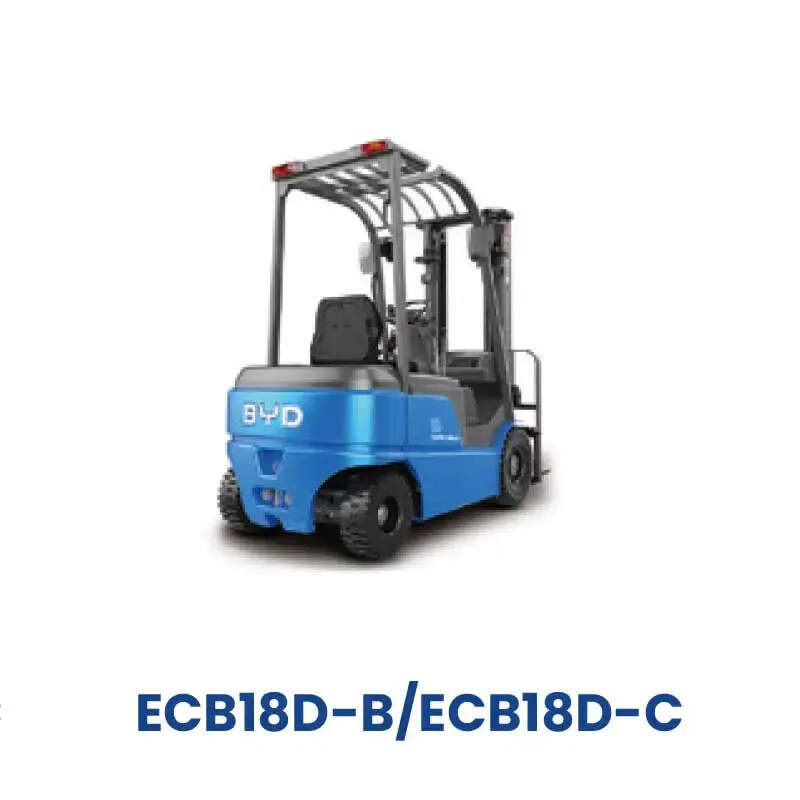
In recent years, electric forklifts have been widely adopted in warehousing, manufacturing ports and retail distribution centers for their low local emissions, low operating noise and relatively stable operation performance. As more operation teams introduce this type of material handling equipment, systematic, easy-to-follow operation guidance becomes a necessary reference to help teams get expected return on equipment investment.
Core Pre-operation Check Points for Daily Use
Before each formal operation, operators need to spend a few minutes completing basic inspection items, to avoid unexpected downtime in the middle of task execution. The inspection scope covers the remaining battery level, the flexibility of braking and steering systems, the wear degree of fork components, the surface condition of driving wheels, and the normal response of all control levers. Operators should not start the handling task when any abnormal sign is found during the check, and the problem should be addressed by professional maintenance personnel in time.
Routine Maintenance Tips to Extend Equipment Service Life
Standardized daily maintenance can effectively reduce the frequency of component failure and extend the whole service cycle of the electric forklift. Operators should follow the official charging specifications to avoid overcharging or deep over-discharging of the power battery, clean the dust attached to the motor and heat dissipation components on a regular basis, apply suitable lubricant for movable connection parts periodically, and check whether the circuit interfaces have oxidation or loose contact signs. It is not recommended to park the equipment in a long-term humid, high temperature or corrosive environment without protective measures.
Operation Optimization Methods to Boost Working Efficiency
To give full play to the performance of electric forklifts, operation teams can make small adjustments to daily working flow. Operators should match the actual load weight with the corresponding power output gear, and avoid overloading beyond the rated load range. The warehouse management team can also plan a more reasonable operation route for forklift drivers, arrange appropriate special attachments to handle goods of special shapes, to cut down unnecessary detours and repeated handling operations.
Safety Operation Specifications for Complex Scenarios
There are also targeted operation rules for complex working scenarios to reduce potential safety risks. When driving on sloped roads, operators need to keep a low driving speed and avoid sharp lateral steering. When passing through narrow aisles, operators should give reminder signals in advance to avoid collision with passing staff or stacked goods. When the equipment needs to be idle for more than one week, the power battery should be kept at 50% to 70% remaining power level, and the main power switch should be turned off properly.


