
 简体中文
简体中文 Русский
 Français
 Português
 Español
 لالعربية
.jpg "The Environmental Payback of Switching Forklift Fleets to Lithium(figure1)")
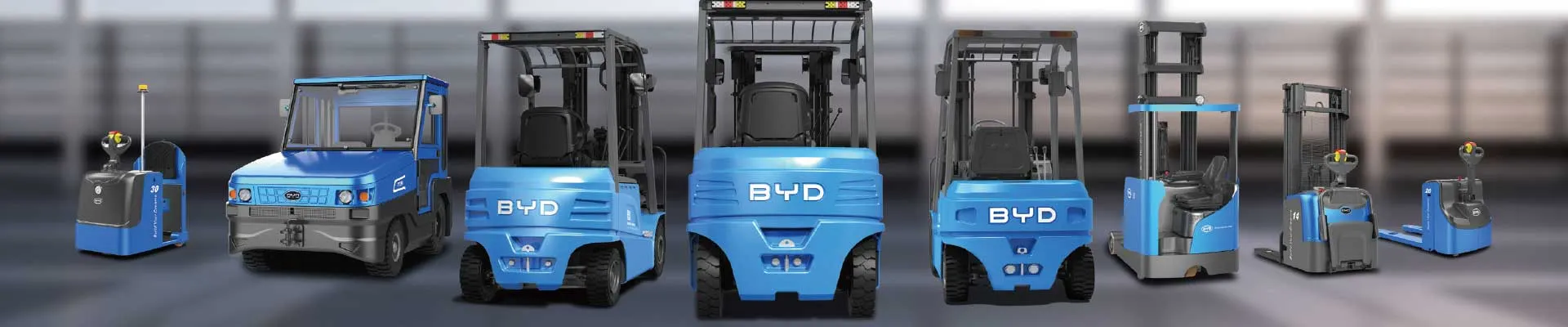
As low-carbon logistics development gains steady momentum globally, electric forklifts have become a mainstream choice for most indoor and semi-outdoor material handling scenarios, thanks to their low noise output, zero on-site emission and relatively low long-term operating cost. For frontline operators and warehouse management teams, mastering systematic use and maintenance rules can effectively extend equipment service life and avoid unnecessary operational risks in daily work.
Core Standard Operation Specifications for Daily Use
Before each shift, operators need to complete a full pre-operation check, including confirming battery power status, brake sensitivity, lifting mechanism flexibility and lighting system normal operation, to ensure no hidden problems exist before formal operation. During the operation process, operators should avoid sudden acceleration or sharp steering, control the load weight strictly within the rated bearing range, and keep a proper safe distance from surrounding personnel and stacked goods, especially when moving in narrow aisle scenes. When parking the equipment after the shift, operators need to lower the lifting fork to the ground level, pull up the hand brake, turn off the power supply completely, and park the vehicle in the designated fixed area.
Routine Maintenance Measures to Extend Equipment Service Life
Unlike traditional internal combustion forklifts, electric forklifts focus more on the maintenance of power systems and electrical components. For the common lithium power configuration, users should avoid long-term over-discharge and over-charge behavior, arrange charging in a well-ventilated dedicated charging area, and regularly check the power interface for wear or oxidation conditions. Users also need to regularly clean the dust and debris accumulated in the motor and heat dissipation structure, check the tightness of each connecting wire, and regularly add proper amount of lubricating oil to the transmission and rotating parts according to the official product manual, to reduce mechanical wear during long-term continuous operation.
Practical Tips to Improve Operational Efficiency
Reasonable path planning in advance before each batch of handling tasks can effectively reduce unnecessary empty driving distance, and classify the goods according to their weight and stacking height to match the corresponding load capacity and lifting height of the equipment. For teams with multiple electric forklifts, it is recommended to arrange regular skill training for all operators, to help everyone master the correct operation posture and operating skills, reduce the error rate in daily operation, and further improve the overall material handling turnover efficiency of the warehouse. Following these standardized use and management rules can help enterprises give full play to the core advantages of electric forklifts in low-carbon logistics scenarios, create a safer and more stable operating environment, and bring more considerable comprehensive benefits for daily logistics operation.


