
 简体中文
简体中文 Русский
 Français
 Português
 Español
 لالعربية
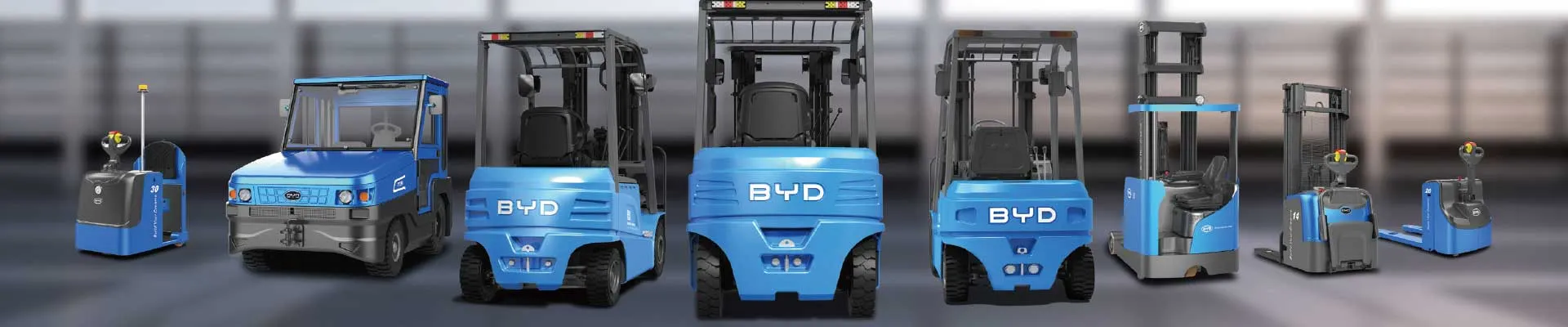
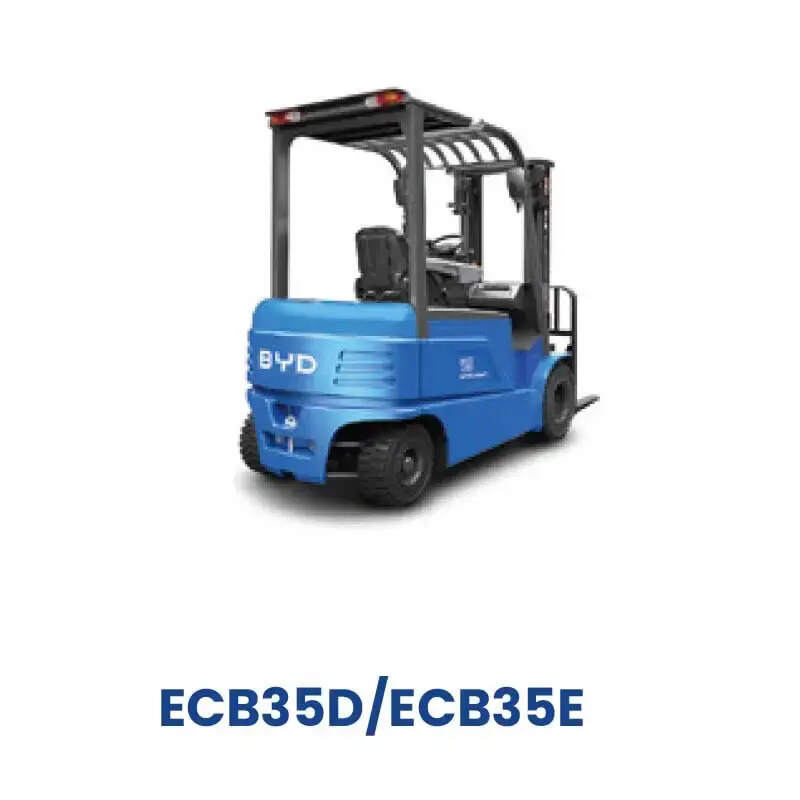
As a core energy-saving material handling equipment widely used in modern warehouses, manufacturing workshops and distribution centers, electric forklifts have gradually occupied a large proportion of internal combustion forklift application scenarios for their low noise, zero local emission and low long-term operation cost features. Mastering standardized use and maintenance knowledge can help relevant practitioners extend equipment service life and reduce unnecessary operation cost consumption.
Basic Safety Operation Specifications for Electric Forklifts
Before starting each shift, operators need to conduct a full visual check of the vehicle, including the status of the power system, brake flexibility, tire wear condition and the normal operation of the lifting mechanism. During the operation process, operators should keep the vehicle body at a proper safe distance from surrounding personnel, shelves and stacked goods, avoid sudden acceleration or emergency braking as much as possible, and do not carry out over-load lifting operation beyond the rated load marked on the equipment nameplate. When the working environment slope exceeds the applicable range specified in the product manual, operators should avoid driving the forklift on the slope to prevent sideslip or rollover risks.
Daily Maintenance Points for Electric Forklifts
The power energy module is the core component of electric forklifts, operators should follow the official specified charging process to complete the power supplement, avoid long-term full power storage or complete power depletion which may cause irreversible damage to the battery performance. After each daily use, operators should clean the dust and residual cargo debris attached to the vehicle surface, especially the heat dissipation gaps of the motor and control panel, to avoid affecting the normal heat dissipation effect during long-term operation. Regularly arrange professional technicians to check the wear condition of transmission parts, add proper amount of lubricating oil as required, and replace aging cables or damaged sealing parts in time.
Applicable Scenario Optimization Suggestions
In closed warehouse environments with high requirements for air cleanliness, electric forklifts can give full play to their low emission advantages and will not produce exhaust gas that affects the indoor working environment. For long-time continuous operation scenarios, users can configure backup power modules to reduce the downtime caused by waiting for charging, so as to improve the overall material handling efficiency. Users can also adjust the matching parameters of the forklift's fork width, lifting height according to their actual storage and cargo features, to get more suitable use experience.


