
 简体中文
简体中文 Русский
 Français
 Português
 Español
 لالعربية
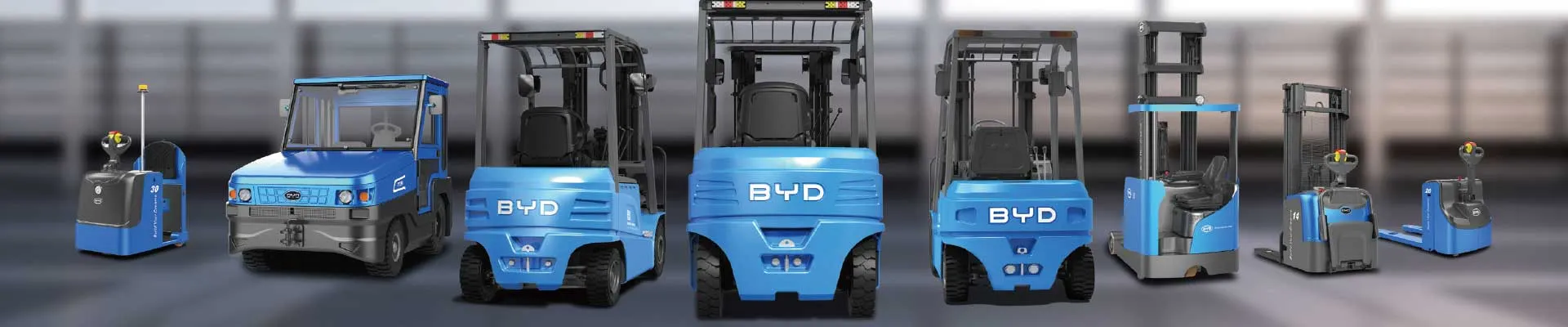
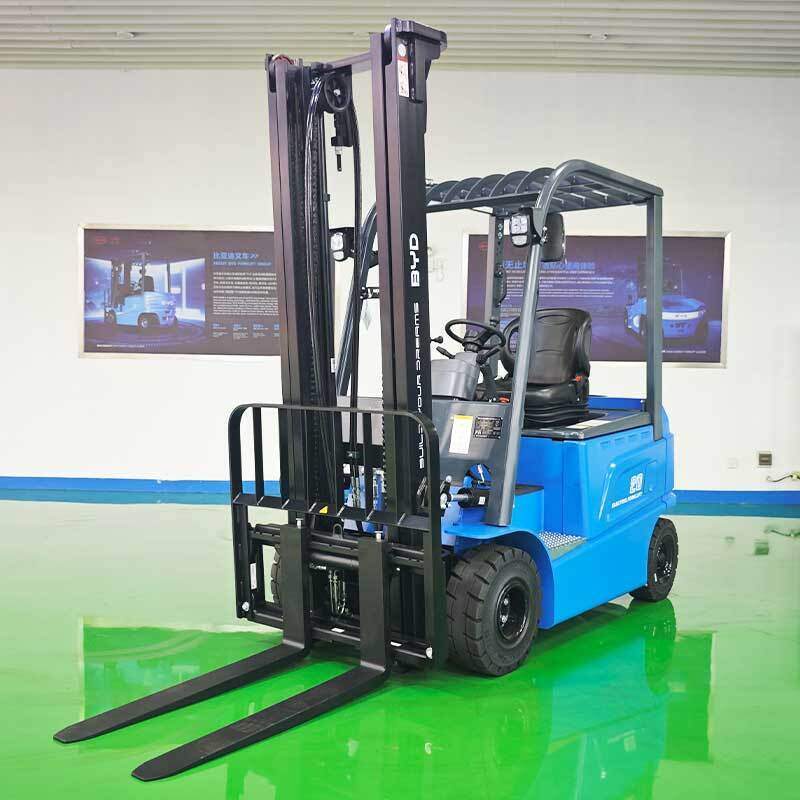
Against the general trend of low-carbon transformation in the material handling sector, electric forklifts have been widely adopted in various industrial scenarios in recent years. Mastering the core features, operation rules and maintenance points of such equipment can help users give full play to its use value and create more stable operation benefits.
Core Performance Characteristics of Modern Electric Forklifts
Different from traditional fuel-powered handling equipment, electric forklifts produce no tail gas emission during operation, which can meet the environmental access requirements of enclosed scenarios such as food storage workshops, pharmaceutical production zones and high-density indoor warehouse areas. The overall operation noise is controlled at a relatively low level, which will not cause continuous noise disturbance to surrounding staff in the relatively closed working environment. Its power output curve is stable and smooth, and the vibration amplitude in the process of lifting and transporting goods is relatively low, which can effectively reduce the collision and damage probability of fragile and high-precision goods during handling. Most conventional electric forklift products have small turning radius design, which can flexibly pass through the narrow operation channels between dense shelf groups in modern standardized warehouses.
Standard Operation Rules to Avoid Abnormal Equipment Loss
Operators need to receive systematic professional training before taking up the post to master the correct operation logic of the equipment. Before each operation, personnel need to check the braking system status, remaining battery level, and tightness of the lifting chain in advance to confirm that all components are in normal state. Overload operation is not recommended in daily use, and the driving speed should be appropriately reduced when the vehicle runs on wet and slippery ground. When passing the corner and blind area, the operator should sound the prompt horn in advance, keep a safe distance with surrounding personnel and other handling equipment, and do not use the fork to pry heavy objects forcibly. When the equipment stops working for a long time in the operation gap, the fork should be laid flat on the ground instead of being suspended in the air for a long time.
Daily Maintenance Suggestions to Extend Equipment Service Cycle
After each operation, operators can clean the dust, debris and residual sundries on the surface of the vehicle body in time. They need to check the wiring ports of the battery assembly regularly to confirm whether there is oxidation trace, and clean the dust on the surface of the ports to keep the contact state stable. Users should complete the charging work in accordance with the specified operation process, and it is not advisable to wait until the power is completely exhausted before supplementary charging. The hydraulic oil in the lifting transmission system should be replaced on a regular basis according to the actual use frequency, and the wear degree of walking tires should be checked regularly. The equipment should be parked in a dry and ventilated storage area when not in use, to avoid long-term exposure to rain or corrosive gas environment.


