
 简体中文
简体中文 Русский
 Français
 Português
 Español
 لالعربية
.jpg "Pallet Truck Pre-Use Check: A 60-Second Operator Routine(figure1)")
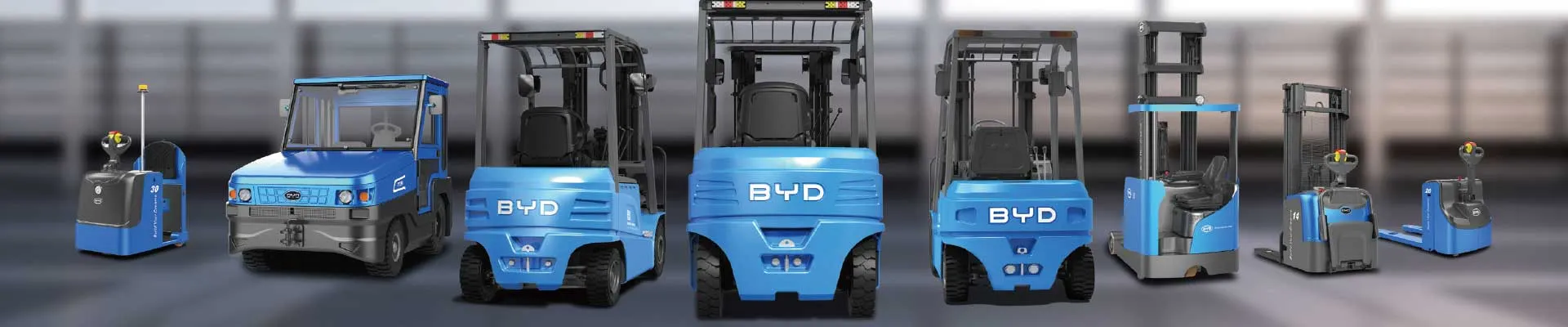
Electric forklifts have gradually become one of the most widely used material handling equipment in modern industrial and warehouse scenarios in recent years. For frontline operators and warehouse managers, mastering correct usage rules and relevant professional knowledge can bring multiple tangible benefits to daily production and operation.
Core Performance Characteristics of Electric Forklifts
Unlike internal combustion counterparts, electric forklifts are powered by on-board battery packs, which produce no tail emissions during the whole working process, fitting well with the low-carbon transformation requirements of most industrial parks and closed warehouse spaces. Their overall operation noise level is relatively low, which can reduce disturbance to surrounding working staff and avoid negative impacts on working environments that require high quietness. Most of the current models have compact body structure, which can flexibly pass through narrow cargo aisles and complete stacking, handling and loading work in limited space. The energy consumption cost per unit working hour is also relatively lower than traditional fuel powered equipment for long-term continuous use.
Standard Daily Operation Specifications
Before starting each shift, operators need to conduct simple pre-check work, including confirming the remaining battery power, checking the normal flexibility of lifting and steering components, and testing the effectiveness of the braking system. During the operation process, operators need to keep the load within the rated load range of the equipment, avoid sharp acceleration and sharp turn actions when the fork is loaded with heavy goods, and keep a safe distance from surrounding personnel and shelves. Operators should also avoid long time high load operation under extreme high or low ambient temperature without necessary protective measures. After the daily operation is completed, the equipment should be parked at the designated position, the fork should be lowered to the horizontal position close to the ground, and the power supply should be cut off properly.
Routine Maintenance Recommendations
Regular daily maintenance can effectively extend the service cycle of electric forklifts and reduce unexpected failure rates. Operators can regularly clean the dust and sundries accumulated on the surface of the equipment and the heat dissipation structure every week, check the connection tightness of the battery interface, and avoid the situation of excessive discharge of the battery pack in daily use. When the equipment is not in use for a long time, it is recommended to charge the battery to 60% to 80% state of charge and perform supplementary charging at regular intervals. Professional technical personnel should be arranged to conduct regular systematic inspection of the driving system and hydraulic structure every certain period of use, to eliminate hidden risks in the early stage of occurrence.


