
 简体中文
简体中文 Русский
 Français
 Português
 Español
 لالعربية
.jpg "Pallet Truck Incident Reporting: Capturing the Right Details(figure1)")
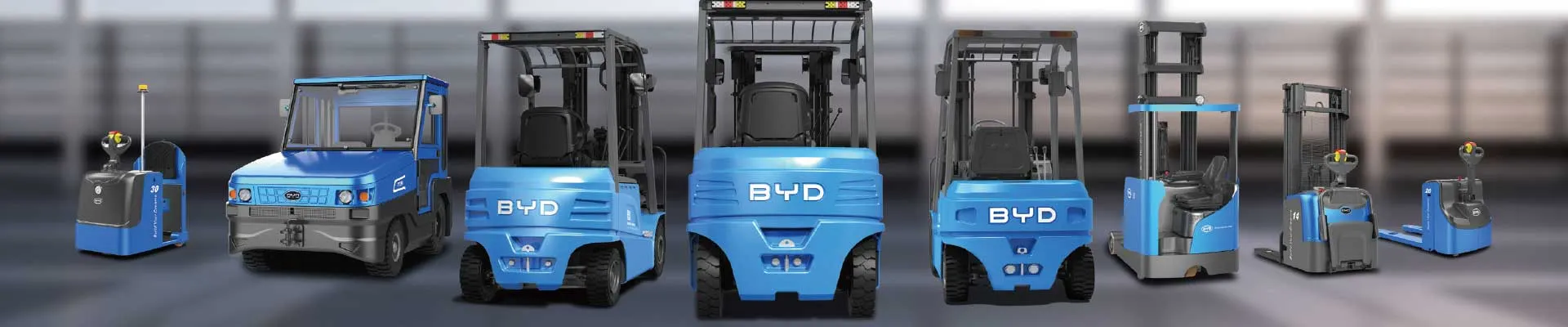
As the low-carbon logistics development trend keeps spreading across the material handling industry, electric forklifts have become one of the most widely applied core equipment for indoor and closed working scenarios in recent years. Compared with traditional internal combustion counterparts, electric forklifts feature lower operating noise, zero tail gas emission and relatively lower long-term operation cost, which draws more attention from warehouse operators and logistics park managers.
Core Performance Traits of Modern Electric Forklifts
Modern electric forklifts are mostly powered by high-capacity energy storage batteries, with the whole power transmission system adopting fully electric control structure. Most products on the market can adjust operation sensitivity and load limit parameters according to actual working demands, which can well meet the basic load lifting and horizontal transfer demands for goods below 5 tons. Unlike fuel powered equipment, electric forklifts do not need to reserve special oil storage and exhaust gas discharge space in the working area, which helps reduce the overall operation management cost of the working site.
Standard Daily Operation Guidelines
Before starting each shift, operators need to check the remaining battery level, the flexibility of lifting mechanism and the sensitivity of brake system first, to eliminate hidden safety risks in advance. During the operation process, operators should keep the load center within the allowable range marked on the equipment nameplate, avoid sharp turning on the wet and slippery ground, and do not lift people with the fork board to conduct high-altitude operation without corresponding safety protection configuration. After the daily work is finished, operators need to park the equipment at the designated position, lower the fork to contact the ground, and cut off the main power supply of the whole device.
Key Routine Maintenance Points
For daily maintenance work, the operation team can regularly wipe the dust and sundries on the surface of the equipment body and power interface, check the wear degree of driving wheels and transmission parts every two weeks, and conduct full performance inspection for the battery pack and control circuit every three months. It is not recommended to charge the device in high temperature environment with poor ventilation, and operators should avoid over discharging the battery to extend the overall service cycle of the equipment. Proper operation and standardized maintenance can help electric forklifts maintain stable working state for a long time, and create more stable value for daily material handling work.


