
 简体中文
简体中文 Русский
 Français
 Português
 Español
 لالعربية
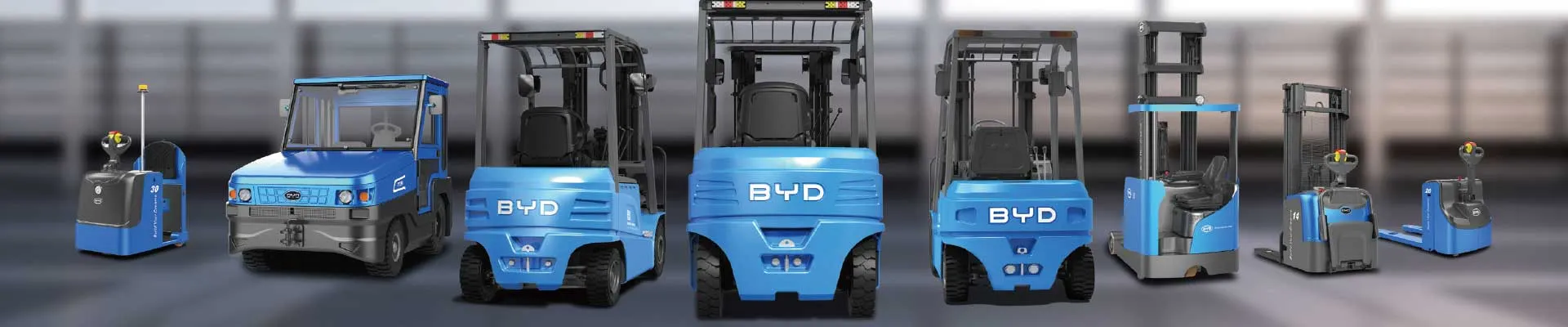
.jpg "Lithium-ion reach-truck real-world-usage notes for double-deep rack-system warehouse-storage layouts(figure1)")
Double-deep rack system layouts are widely adopted by modern warehouses to maximize available storage capacity by arranging two rows of pallets in the same aisle facing direction, and lithium-ion reach trucks have become the highly matched handling equipment for such scenarios due to their flexible telescopic fork design and stable power output. Proper daily operation practices can effectively reduce unnecessary wear, lower hidden safety risks and extend the service life of both the handling equipment and storage facilities.
Before starting each shift, operators need to complete targeted pre-operation checks that adapt to the features of double-deep rack layouts. First, confirm the remaining state of charge of the lithium-ion battery to ensure it supports full-shift continuous operation, avoiding unexpected power loss in narrow aisles that will block normal passage of follow-up equipment. Second, inspect the telescopic mechanism of the forks to confirm no stuck or unsmooth jamming occurs, so that the forks can stretch stably to reach the inner row of pallets in double-depth racks. Operators also need to verify the normal working status of side distance sensing devices, which can assist in keeping safe gap between the truck body and shelf columns during frequent access operations in narrow channels.
During the formal operation process, operators need to follow targeted operation specifications adapted to the storage layout. Before entering any dedicated double-deep rack aisle, confirm the marked load limit and maximum lifting height of the corresponding shelf area in advance. When the lifting height of the forks exceeds 4 meters, keep the driving speed at the lowest allowed level to avoid body sway caused by shifted center of gravity. When accessing inner-row pallets, adjust the fork extending depth slowly to ensure at least two thirds of the pallet supporting points are fully carried by forks, then complete the lifting or pulling action stably, do not implement sharp acceleration or sudden deceleration in the operation process. Keep no less than 10 centimeters of safe distance between the truck body and both side shelf columns to prevent accidental scratch on shelf structure or equipment shell.
After finishing the daily shift, complete standardized post-operation maintenance work. First, park the truck at the designated waiting position outside the operation aisle of double-deep racks, lower the forks fully to the ground, pull up the hand brake, and do not occupy the passage entrance to block the normal access of other equipment. Clean up the dust and scattered cargo debris attached to the surface of the lithium-ion battery, then move the equipment to the special charging zone, avoid placing the battery near high temperature heat sources or fire passage exits. Record the daily operation status of the battery and core components timely, and report abnormal temperature rise or unresponsive power output to maintenance staff for inspection in time, do not carry out operations with hidden faults. Following the above usage notes can help warehouses give full play to the advantages of lithium-ion reach trucks and maximize the utilization value of double-deep rack storage space.


