
 简体中文
简体中文 Русский
 Français
 Português
 Español
 لالعربية
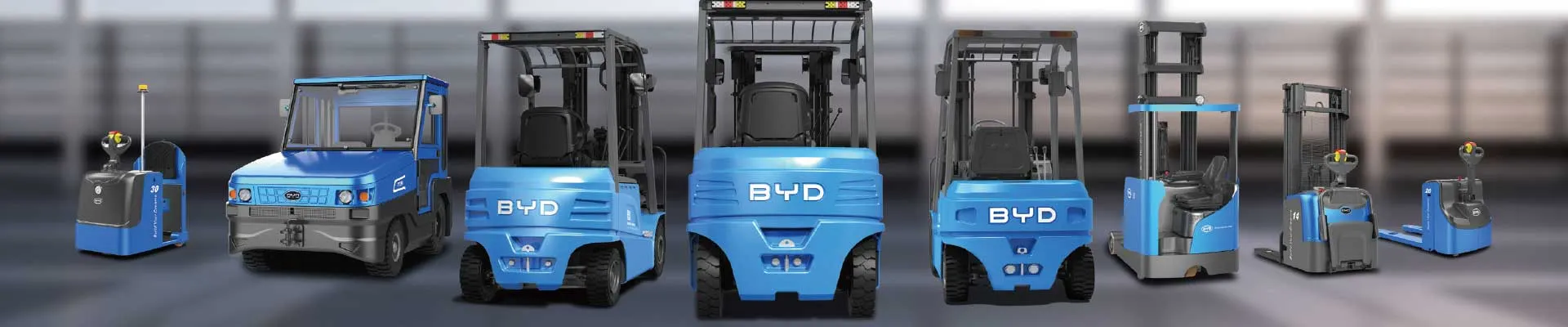
.jpg "Electric pallet truck practical-experience summary for gift-and-packaging-goods-distribution-centres(figure1)")
Gift and packaging goods distribution centres carry a large volume of diversified packaged products, ranging from delicate festival gift boxes, custom packaging materials to finished retail gift kits, most of which have high requirements for surface integrity, and the daily goods turnover will rise sharply before major shopping festivals or holiday seasons. Many frontline operation teams have accumulated plenty of practical experience in applying electric pallet trucks to match the special demands of such scenarios after long-term trial and adjustment.
The first part of the experience focuses on scenario-based operation optimization. Different from ordinary industrial pallets, most pallets loaded with gift and packaging products have smaller bearing width, and the outer surface of top goods are often pasted with fragile decorative layers such as hot stamping, embossing and transparent protective film. Operators can adjust the running speed to low gear when passing through dense storage zones, so as to avoid sudden braking or shaking that may cause packaging scratch or fall off. They also reserve a 10cm safe gap between the fork arm and the pallet side in daily picking, to reduce unnecessary friction to the packaging surface during fork insertion. After popularizing this operation rule, the goods damage rate related to handling drops to a quite low level.
The second part of the experience is about daily maintenance arrangement. The operation zone of gift and packaging distribution centres often has scattered small debris such as leftover packaging paper fragments, adhesive tape residues and broken label strips, which may get stuck in the gap of walking wheels and affect running stability if not cleaned in time. The team arranges 15-minute routine check for each vehicle before shift handover, to clear foreign matters on the wheel and check the remaining power. They arrange all charging processes at the non-peak night shift gap, which will not occupy the daytime high-frequency operation period, and effectively extend the whole service life of the power system.
The third part of the experience is about human efficiency matching. The management team arranges targeted 1-hour operation training for all new operators, combining the narrow channel turning, precise position parking and other special skills adapted to the site layout. After a period of running in, the single-person daily handling capacity of the team gets obvious improvement, no extra heavy physical burden is added to the frontline staff, and the overall operation cost is well controlled. Such application mode is proved to be suitable for the long-term operation demand of this type of distribution centres.


