
 简体中文
简体中文 Русский
 Français
 Português
 Español
 لالعربية
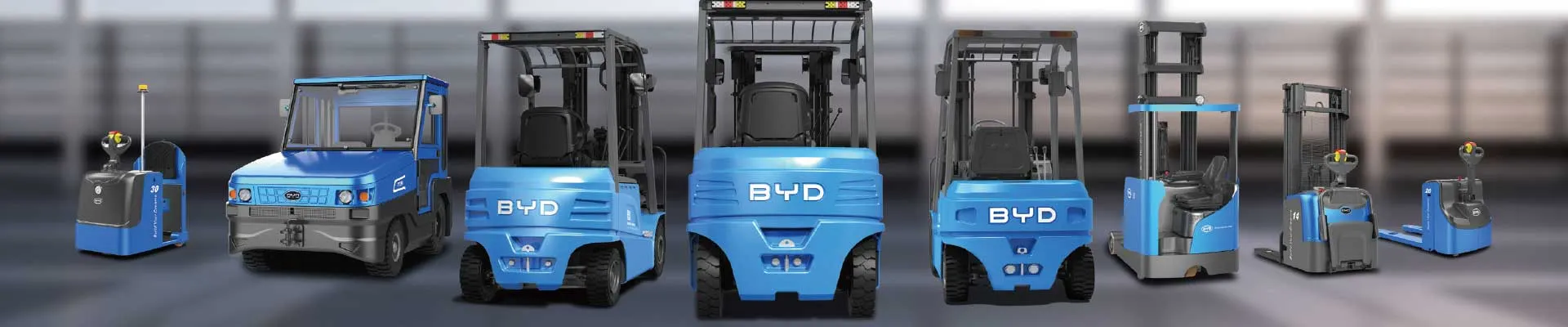
When it comes to heavy-weight furniture storage sites, the operation scenarios always feature irregularly sized cargoes, uneven center of gravity of unpacked furniture, and high requirements for no-pollution handling to protect furniture surface finish. Electric counterbalance forklift, as one of the widely applied warehouse handling equipment, can bring stable operation performance for such sites if used with proper targeted arrangements, and the following practical suggestions can be referenced by relevant operation teams.
First of all, complete proper pre-operation configuration matching before formal daily use. According to the maximum common load of stored furniture in the site, reserve 15% to 20% extra load margin instead of choosing equipment that runs at full rated load for long consecutive hours. Select proper fork length that fits the general specification of common pallets for furniture storage, and avoid overlong forks that may scratch the decorative surface of unprotected solid wood furniture or soft fabric sofa products. It is also advisable to add thin flexible protective layers on the contact surface of forks to further reduce the risk of accidental collision marks on high-value finished furniture.
Secondly, follow standardized operation rules to fit the special scene of furniture storage sites. Before lifting any heavy furniture cargo, the operation staff should confirm the accurate gravity center position of the whole stack, and adjust the fork inserting position to keep the cargo stable before starting the lifting action. Keep the acceleration and deceleration speed gentle during moving process, to avoid unexpected sliding of furniture parts that do not have fixed packaging. When turning in narrow aisles, reserve enough rotating space for the whole vehicle, and pay continuous attention to the protruding parts of extra-long furniture such as large wardrobe boards or custom oversized art furnishings, to prevent unnecessary scraping to surrounding shelves or other stacked goods. The zero-emission and low-noise features of electric counterbalance forklift also make it suitable for continuous operation in enclosed furniture storage spaces, and will not leave oil stains or peculiar smell on the surface of upholstered furniture products.
Thirdly, arrange targeted regular maintenance to extend the service life of equipment and ensure stable operation. Most furniture storage sites will generate scattered wood scraps, foam packing fragments and paper dust during daily operation, operation teams need to clean the running wheels and motor heat dissipation openings of the electric forklift after each work shift, to avoid foreign matter jamming that may affect driving stability. Check the sensitivity of the braking system on a fixed cycle, especially for sites that have high-level storage racks, make sure the braking performance stays reliable when lifting heavy furniture to high positions. Providing scene-targeted skill training for relevant operation staff can also further reduce cargo damage rate and improve overall warehouse turnover efficiency. With reasonable arrangement of above operation points, the equipment can adapt to the long-term operation demands of heavy furniture storage sites well.


