
 简体中文
简体中文 Русский
 Français
 Português
 Español
 لالعربية
.jpg "Cost impact of low-battery charging practices on lithium forklift battery lifespan(figure1)")
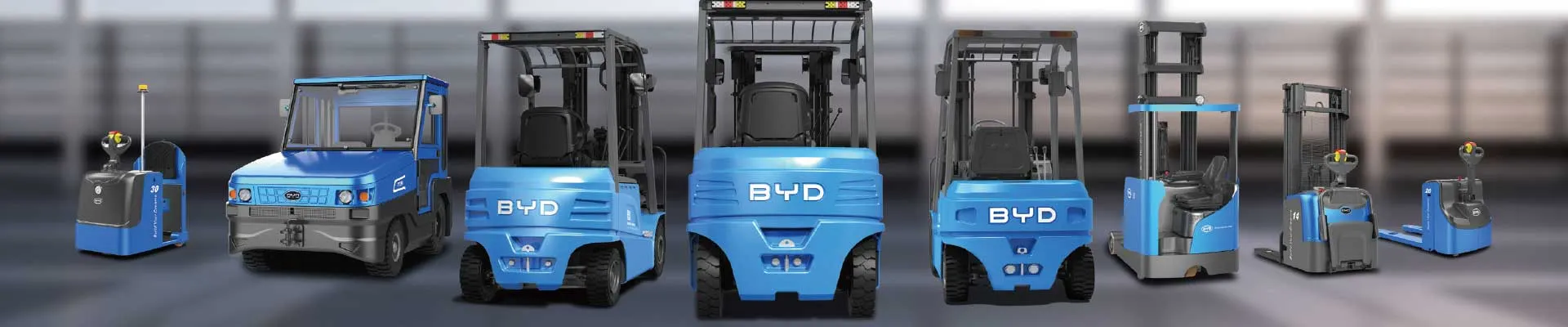
In recent years, electric forklifts have been widely adopted in various industrial storage, logistics distribution and manufacturing material handling scenarios, for their low noise, zero local emission and relatively low daily operating cost features. Mastering correct operation and management methods can help operators give full play to the performance of the equipment, and avoid unnecessary wear that may cause unexpected downtime.
Core Daily Operating Specifications
Before starting each shift, operators need to complete a pre-operation check covering the brake system, steering flexibility, fork structure integrity and remaining power level, to exclude hidden risks before formal operation. During handling processes, operators should control the traveling speed within a reasonable range according to site conditions, keep a safe distance with surrounding personnel and stacking racks, and avoid sudden steering or emergency braking under high load status. For ramp operation, the fork should be kept at a low height close to the ground, and the load should be located on the uphill side of the equipment to avoid slipping risks.
Routine Maintenance Guidelines for Longer Service Life
Regular and standardized maintenance works can effectively reduce the failure rate of electric forklifts in long-term use. Operators need to clean the surface of the motor, battery compartment and body frame regularly, to prevent accumulated dust and sundries from affecting heat dissipation of core components. For battery packs, staff should check the tightness of connecting terminals regularly to avoid oxidation caused by moisture, and follow the official recommended charging procedures, to avoid long-term storage under full power loss status. It is also necessary to check the sealing performance of the hydraulic system and the wear degree of solid tires on a regular cycle, to replace worn parts in time before they cause larger failures.
Efficiency Optimization Tips for Material Handling Scenarios
To get better performance output, operation teams can adjust the working mode of electric forklifts according to specific scene features. For narrow aisle warehouses, operators can reduce unnecessary large steering movements during access, and make a reasonable operation route plan in advance to cut down invalid round trips. For light load scenarios, selecting the corresponding low energy consumption working mode can extend the continuous working duration of a single full charge, thus supporting more handling tasks within the same shift time. By following the above standardized operation and management rules, enterprises can get more stable performance output from their electric forklift equipment, and control the total operating cost at a relatively reasonable level for long term usage.


