
 简体中文
简体中文 Русский
 Français
 Português
 Español
 لالعربية
.jpg "Forklift Dock Safety: Edges, Restraints and Loading Zones(figure1)")
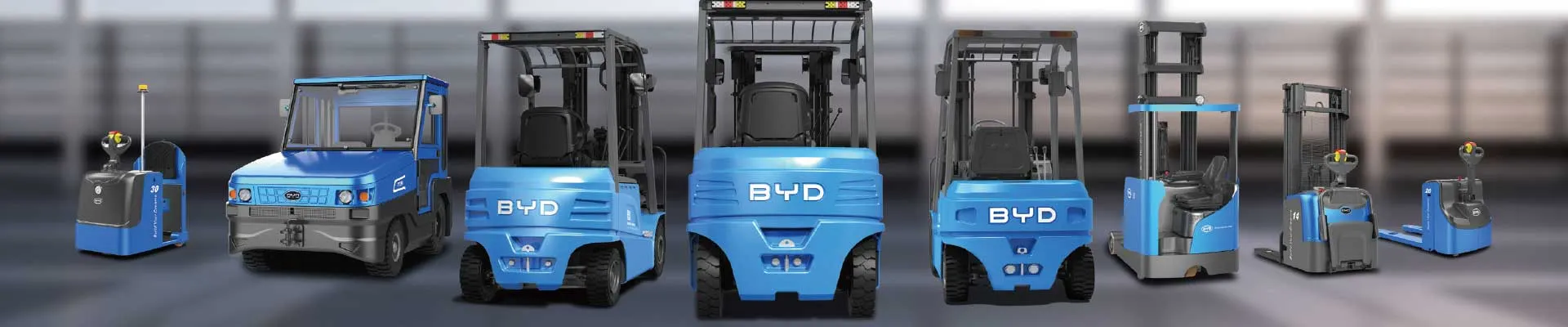
In recent years, electric forklifts have become one of the most widely used material handling equipment in global industrial and logistics fields, with obvious advantages in low noise, zero local emission and relatively low long-term operation cost, which can meet the operation demands of multiple closed and semi-closed work scenarios. Mastering the correct use and maintenance rules of electric forklifts can help relevant teams give full play to the equipment performance and avoid unnecessary operation loss.
Core Applicable Scenarios for Electric Forklifts
Different from internal combustion forklifts, electric forklifts are more suitable for work environments with high requirements for air quality and operation comfort, including standardized finished goods warehouses, food and pharmaceutical production workshops, low temperature cold chain storage facilities, and narrow aisle storage areas. For light-duty material handling scenarios that need to transfer goods below 2 tons in small space, compact body electric forklifts can flexibly pass through channels that traditional large forklifts cannot access, which effectively improves the space utilization rate of the whole storage area. For multi-shift continuous operation scenarios, users can choose models with matched battery capacity to meet the demand of long hour operation without frequent charging interruption.
Standardized Daily Operation Specifications
Before each shift of operation, relevant operators need to complete a full pre-operation check, including confirming the remaining battery power, the flexibility of the braking system, the normal working state of warning lights and sound prompts, and checking whether there is obvious damage to the cargo fork and surrounding protective structures. During the operation process, operators need to control the driving speed according to the actual site conditions, avoid sudden steering or sudden braking under fully loaded state, and remind surrounding pedestrians to avoid through effective warning signals when entering the blind area of site view. It is not recommended to carry overloaded goods beyond the rated load of the equipment for a long time, which may cause extra loss to the power system and supporting structures. After the daily operation is finished, operators need to park the equipment in the designated safe area, pull up the handbrake, turn off the power switch, and avoid leaving the equipment in the middle of the operation channel at will.
Practical Routine Maintenance Tips
Scientific and regular maintenance can effectively extend the service life of electric forklifts and reduce the probability of unexpected failure. For the core power battery component, relevant maintenance personnel need to check the battery status regularly, avoid overcharging or deep discharge for a long time, and do not store the battery in high temperature or extremely low temperature environment for a long time. For the movable connecting parts of the equipment, add proper amount of professional lubricating oil on regular basis to reduce the wear caused by long time friction, and check the wear degree of solid or pneumatic tires regularly, replace the parts in time when the wear degree reaches the set warning value, to avoid potential safety risks. When minor abnormal conditions are found during daily inspection, relevant personnel can arrange professional inspection and repair in time, instead of operating the equipment with hidden trouble. Reasonable application of electric forklifts can effectively improve the overall efficiency of material handling links, which also conforms to the current development trend of low-carbon and green industrial operation.


