
 简体中文
简体中文 Русский
 Français
 Português
 Español
 لالعربية
.jpg "Forklift Weather Safety: Wind, Rain and Outdoor Operations(figure1)")
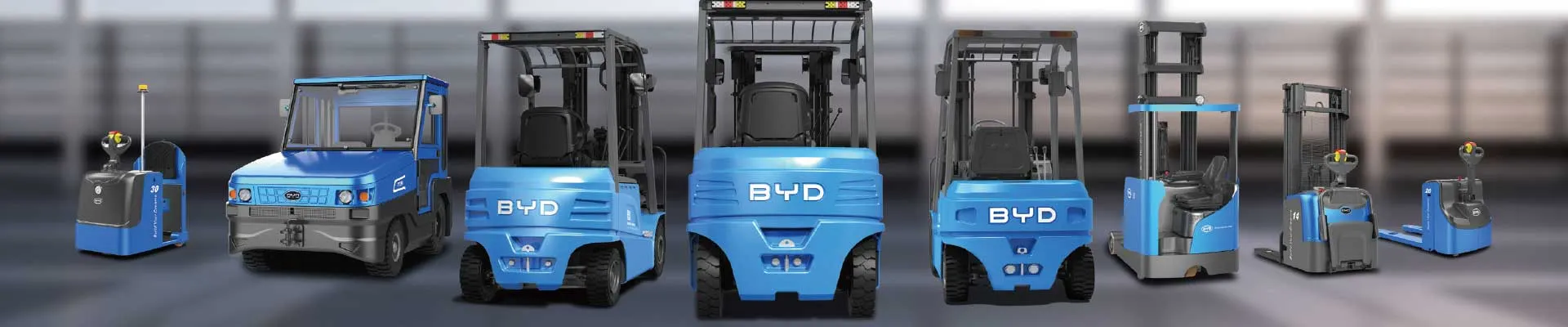
Against the backdrop of growing low-carbon transformation demands in the industrial logistics sector, electric forklifts have become one of the most widely adopted material handling equipment in recent years, bringing new changes to warehouse operation, cargo sorting, loading and unloading links. Mastering relevant professional knowledge of electric forklifts can help relevant practitioners better leverage the value of such equipment in daily work.
Core Functional Advantages of Electric Forklifts
Compared with traditional internal combustion powered handling equipment, electric forklifts produce no exhaust emission during the whole working process, and generate much lower running noise, which makes them highly suitable for closed indoor working scenarios such as standard warehouses, pharmaceutical storage areas and food processing workshops. The energy consumption cost per unit operation of electric forklifts is relatively stable, and there is no need for frequent purchase of corresponding fuel and complex exhaust system maintenance during daily use, which brings more controllable budget arrangements for the operation team.
Standardized Daily Operation Specifications
Before starting each shift, operators need to check the remaining battery level, the sensitivity of the braking system, the integrity of the warning lights and the clarity of the driving visual field first, to eliminate hidden risks before formal operation. During the operation process, operators should strictly follow the rated load limit of the equipment, avoid overloading or lifting people with the forks directly, slow down properly when turning or passing narrow aisles, and avoid frequent sudden acceleration or emergency braking on wet and slippery ground.
Routine Maintenance Tips to Extend Service Life
For the power system of electric forklifts, it is necessary to regularly clean the electrode contacts, check the liquid level of the battery pack, and use the matching charger to avoid overcharging or deep discharging that may cause damage to the battery performance. For the hydraulic and walking parts, the team needs to regularly check whether there is liquid leakage in the hydraulic pipeline, measure the wear degree of the solid tires, and fasten the loose parts on the body on schedule. It is not recommended to park the equipment in open areas with heavy rain exposure for a long time.
Scenario-based Efficiency Optimization Methods
Operation teams can select equipment models with corresponding body width and load parameters according to the actual width of warehouse aisles and the average weight of handling goods, to maximize the use of site space. For sites with high peak operation volume, the team can make staggered charging schedules for multiple sets of equipment to avoid suspension of all handling tasks caused by centralized power shortage. Regular operation skill training can also help operators get familiar with the performance characteristics of the equipment, reduce unnecessary misoperation loss, and further improve the overall operation efficiency of the logistics link.


