
 简体中文
简体中文 Русский
 Français
 Português
 Español
 لالعربية
.jpg "Forklift Mezzanine Safety: Guardrails, Gates and Edge Protection(figure1)")
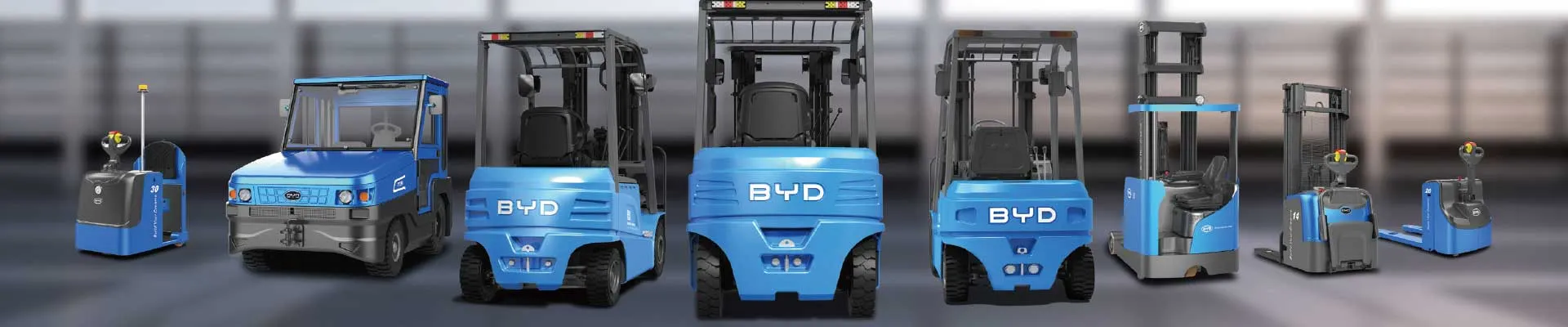
As low-carbon logistics development accelerates across the global supply chain, electric forklifts have become one of the most widely adopted material handling equipment in various warehouse, manufacturing and distribution scenarios. Different from internal combustion counterparts, electric forklifts rely on electric power systems to complete load movement, stacking and short-distance transfer tasks, requiring corresponding operation and management rules to match their technical characteristics.
Core Functional Advantages of Electric Forklifts
Most electric forklift models produce much lower noise and zero tail emissions during operation, which creates more comfortable working conditions for staff working in closed or semi-closed warehouse spaces. Their power output can be adjusted smoothly according to actual load weight, which brings more stable operation performance when moving fragile or high-value cargo. For teams that run multi-shift work schedules, electric forklifts can also reduce long-term energy input compared with traditional fuel-powered units under most normal use conditions. The compact body structure of many small-sized electric forklifts also allows flexible operation in narrow shelf channels, which improves the space utilization rate of the whole warehouse site.
Standard Daily Operation Guidelines
Before starting each shift operation, operators need to check the power level, brake sensitivity, lifting component flexibility and tire condition of the electric forklift, to avoid hidden safety risks caused by neglected minor faults. During the operation process, staff should keep the load center within the specified range, avoid overloading, and keep a safe distance from surrounding shelves, personnel and other operation equipment. When the forklift is not in use, the fork should be lowered to a position close to the ground, the power switch should be turned off, and the hand brake should be pulled to prevent accidental sliding. Operators should also avoid using the forklift to carry people or carry out operations that exceed the designed functional scope.
Routine Maintenance Points to Extend Service Life
Regular cleaning of the dust and debris accumulated on the motor, power interface and vehicle body can prevent unnecessary wear of moving parts. For the power supply system, users should follow the official recommended charging rules, avoid over-discharging the power core for a long time, and arrange regular professional inspection of circuit aging conditions. It is also suggested to arrange targeted training for new operators to reduce misoperation that may cause unnecessary damage to the vehicle structure. Following these basic practical rules can help teams give full play to the performance advantages of electric forklifts, and create a more efficient and safe material handling operation environment for the whole site.


