
 简体中文
简体中文 Русский
 Français
 Português
 Español
 لالعربية
.jpg "What Makes a Counterbalance Forklift Stable? The Basics(figure1)")
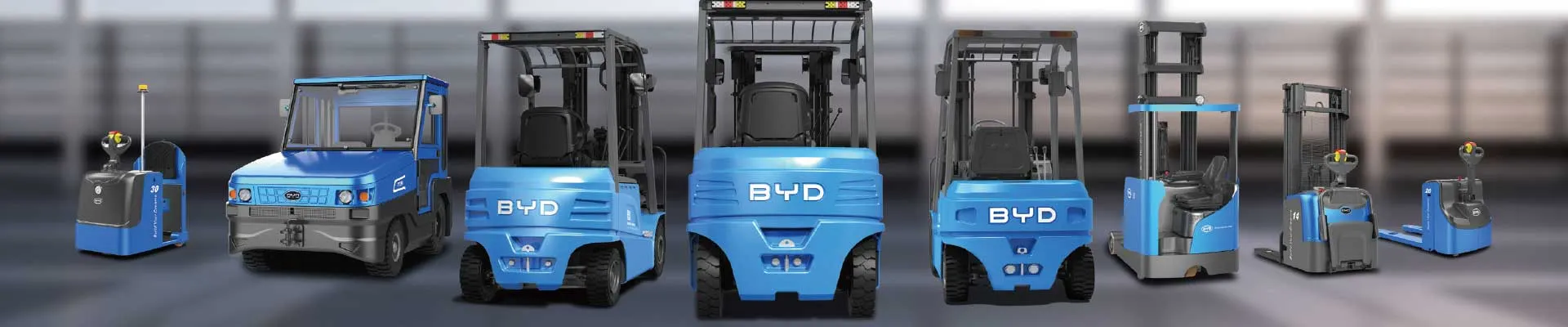
As the global logistics and industrial warehousing sector continuously pursues low-carbon, high-safety operation modes, electric forklifts have gradually become the mainstream choice for indoor and closed-site material handling scenarios, replacing a large share of traditional internal combustion handling equipment. Mastering systematic knowledge of electric forklift application, operation and maintenance can help relevant personnel give full play to the equipment’s inherent value and avoid unnecessary operating risks.
Core Performance Characteristics of Electric Forklifts
Different from fuel-powered counterparts, modern electric forklifts are driven by on-board energy storage modules and motor systems, producing no exhaust emissions during the whole operation process, which can meet the strict environmental protection and air quality requirements of enclosed indoor warehouses, food processing workshops and other special sites. The overall vibration and noise level of electric forklifts during operation is far lower than that of fuel models, which can effectively reduce the long-term hearing loss and physical fatigue of operators after consecutive hours of work. Most existing electric forklift products are designed with integrated human-computer interaction panels, which can display real-time remaining power, operation status and abnormal alarm information for operators to view at any time.
Scenario-adaptive Selection and Configuration Principles
When selecting electric forklift models, users first need to clarify the actual maximum load weight and maximum lifting height required by daily handling tasks, instead of blindly pursuing higher load parameters that far exceed actual demand, which will cause unnecessary waste of procurement cost and equipment energy consumption. For sites with narrow operation channels and high stacking density, users can choose corresponding body size and steering mode configurations to ensure the equipment can pass through the reserved channel space smoothly. For operation scenarios that require continuous high-intensity work for more than 8 hours a day, it is recommended to reserve a spare energy storage module to support quick replacement, so as to avoid affecting the normal operation rhythm of the whole site due to equipment energy replenishment waiting.
Daily Operation and Maintenance Essentials
Operators need to receive formal pre-job skill training before using electric forklifts, and strictly abide by the basic operation specifications, not to overload the equipment or carry people on the cargo forks in daily work. After each shift, personnel should check the surface cleanliness of the energy storage module, the wear condition of walking wheels and the flexibility of the lifting hydraulic system, and record the abnormal status found in time for subsequent professional inspection. Regular professional maintenance can effectively extend the whole service life of the equipment, reduce the unexpected failure rate during peak operation hours, and bring more stable operation effect for the material handling link. Proper operation and scientific management of electric forklifts can create steady value for the daily operation of industrial warehousing and logistics scenarios.


