
 简体中文
简体中文 Русский
 Français
 Português
 Español
 لالعربية
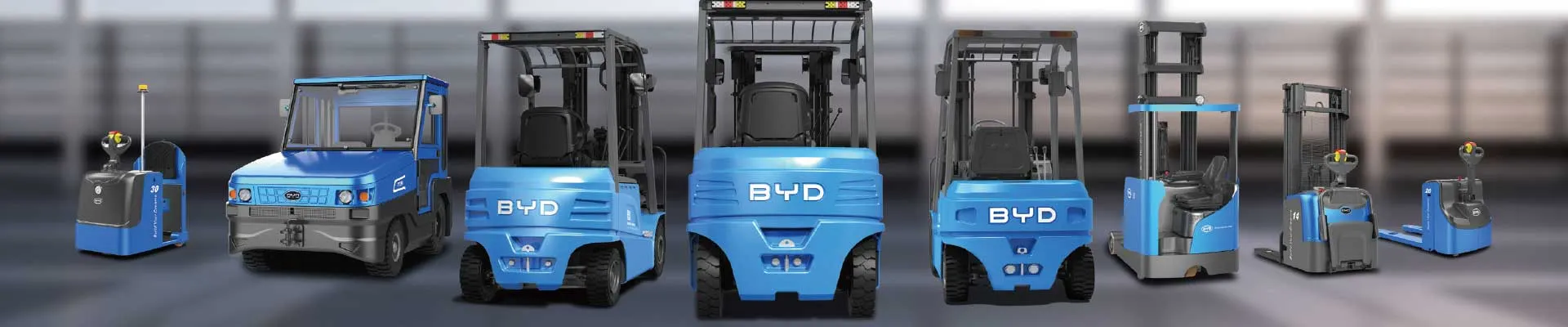
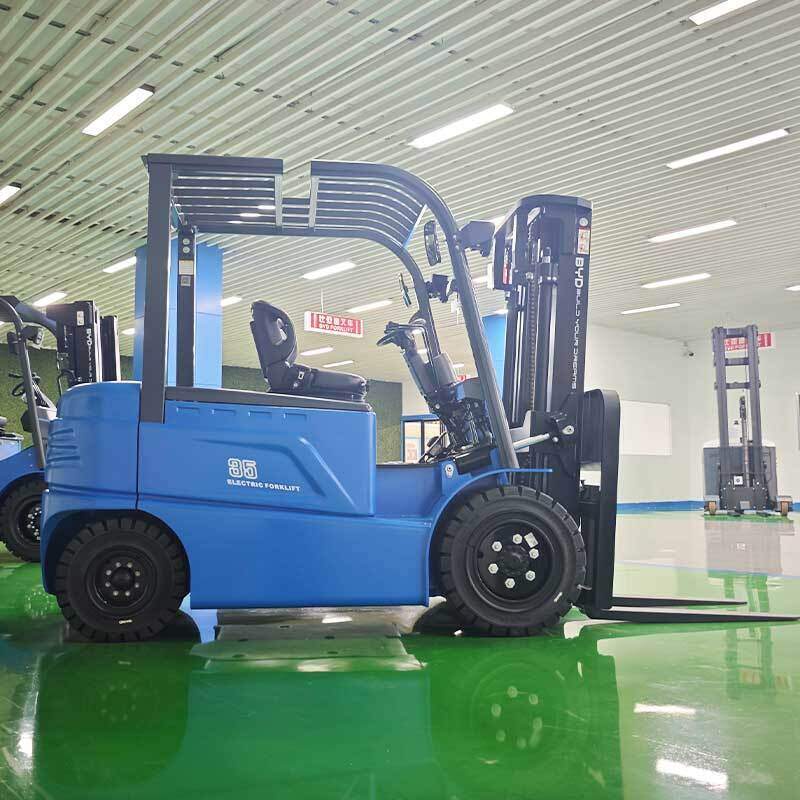
As low-carbon logistics and modern warehouse operation continue to develop, electric forklifts have become one of the most widely used material handling equipment across various industrial scenarios, covering goods stacking, short-distance transportation, and cargo loading and unloading. This guide sorts out practical professional knowledge related to electric forklifts, to help relevant practitioners master correct usage logic and avoid common operational errors.
Core Performance Features of Electric Forklifts
Unlike traditional internal combustion forklifts, electric forklifts are driven by battery power systems, which produce no exhaust emissions during operation, and generate relatively low operating noise that meets the environmental protection requirements of enclosed operation spaces such as indoor warehouses, cold storage, and merchandise storage areas. The power output curve of electric forklifts is smoother during acceleration and steering, which reduces the risk of cargo dumping caused by sudden power changes, and the overall operation process is more friendly for operators who receive standard professional training.
Standard Daily Operation Norms
Before starting the operation every time, operators need to check the remaining power level of the power system, the flexibility of the steering and braking system, and the integrity of the load-bearing parts of the fork arm. During the operation process, operators should avoid sharp turns and sudden brakes under full load state, and keep a proper safety distance from surrounding personnel and stacked goods. When the equipment alerts low power, it should be returned to the designated charging area in time instead of continuing to operate under insufficient power, to avoid irreversible damage to the power supply components.
Routine Maintenance Essentials
Daily maintenance work does not require complex professional operations, and operators can complete basic checks before and after each shift. It is necessary to regularly clean the dust and sundries accumulated on the surface of the power system and the walking drive components, check the connection tightness of the circuit connector parts, and avoid long-term exposure of the equipment in a high temperature or extremely humid environment without protective measures. For parts that need regular lubrication, follow the relevant operation manual to apply lubricant on schedule, to reduce wear and tear between moving parts.
Necessary Operation Safety Notes
Operators need to receive systematic pre-job training before taking up the post, and they should not operate electric forklifts after being fatigued or affected by substances that affect concentration. The rated load weight marked on the equipment nameplate should be strictly followed during the loading process, and over-limit loading and lifting of goods beyond the maximum specified lifting height should be avoided. After the daily operation is completed, the equipment should be parked in the designated safe area, the fork arm should be lowered to the lowest horizontal position, and the power supply should be cut off completely.


