
 简体中文
简体中文 Русский
 Français
 Português
 Español
 لالعربية
.jpg "The Battery Plan That Keeps 2,000 Pallets a Day Moving(figure1)")
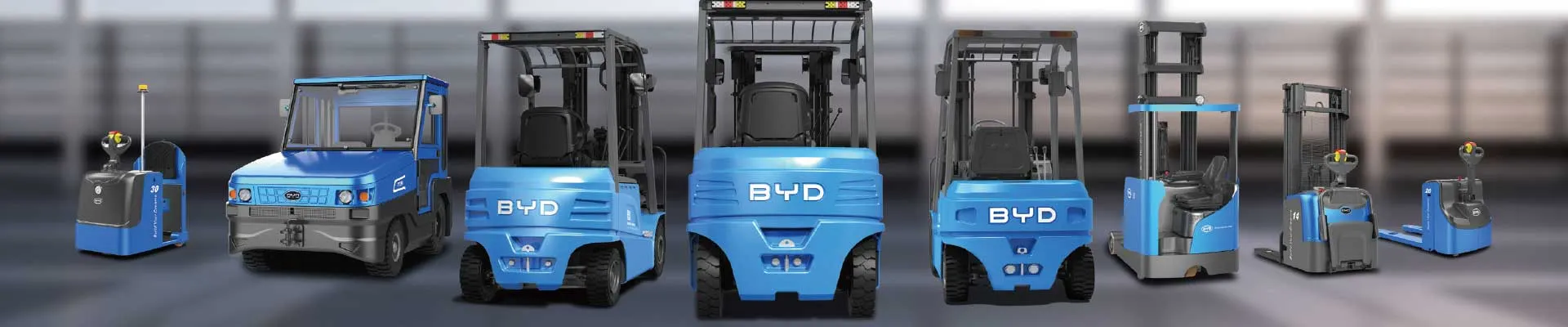
With the continuous advancement of low-carbon transformation in the global logistics and warehousing sector, electric forklifts have gradually become a mainstream option for material handling operations, replacing a large share of traditional internal combustion forklift products. As a practitioner with years of in-depth research in the electric forklift industry, we systematically sort out practical and verifiable professional knowledge related to use, maintenance and scenario matching to help relevant personnel grasp core points correctly.
Core Operating Specifications for Daily Safe Use
During daily operation, operators need to complete pre-departure checks before starting the equipment, including checking the remaining power status of the power system, the flexibility of the lifting and steering mechanism, and the sensitivity of the braking and warning devices. Operators should receive systematic professional training before taking up the post, and strictly follow the operation process when carrying out loading and unloading, stacking and short-distance handling tasks, to avoid overload operation and harsh steering operations that may cause damage to the equipment or potential safety hazards. Personnel should also keep a clear field of view during the operation, and adjust the operation mode reasonably according to the site ground conditions and the weight of the handled goods.
Routine Maintenance Tips to Extend Service Life
Scientific and standardized daily maintenance can effectively reduce the failure rate of electric forklifts and prolong the overall service cycle of the equipment. For the power system, users should follow the specified charging rules, avoid over-discharging the battery for a long time, and clean the dust and stains on the surface of the battery and the wiring interface regularly to keep the heat dissipation path unobstructed. For the mechanical structure part, users need to regularly check the wear degree of the transmission parts and tire components, replenish the lubricating oil for the moving parts on schedule, and remove the sundries entangled in the bottom of the equipment and the gap of the wheels in time. After each shift, the equipment should be parked in the designated dry and ventilated area, and the power supply should be cut off to avoid unnecessary power consumption.
Energy Efficiency Optimization Strategies for Long-Term Operation
Reasonable operation habits can effectively improve the energy utilization efficiency of electric forklifts, reduce the overall operating cost of the fleet. Operators can plan the handling route in advance before the peak operation period of the warehouse, reduce unnecessary repeated driving and idling time, and make full use of the load capacity of the equipment on the premise of not exceeding the rated load. In the long run, matching the corresponding equipment tonnage and configuration according to the average daily handling volume of the site can avoid the waste of equipment performance caused by mismatching models, and further improve the overall operation efficiency of the material handling link.


