
 简体中文
简体中文 Русский
 Français
 Português
 Español
 لالعربية
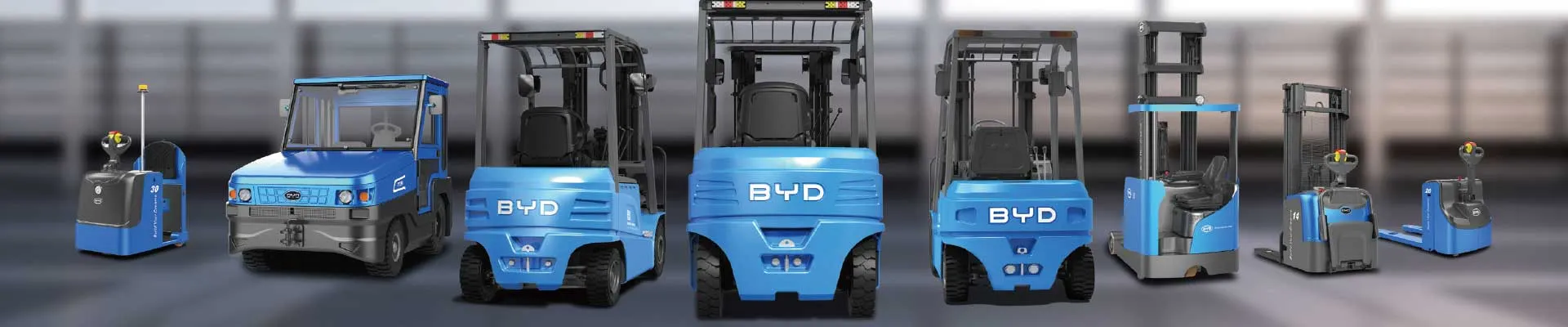
As low-carbon logistics solutions gain wider application across industrial scenarios, electric forklifts have become one of the most widely used material handling equipment for warehouse and distribution operations. Mastering standardized operation and maintenance rules can help teams give full play to the equipment’s performance, reduce unnecessary downtime, and create higher operational value for daily logistics workflows.
Core Pre-Operation Check Protocols
Before each shift starts, operators need to complete a series of basic checks around the equipment’s core components. The first step is to inspect the power supply system, confirm the remaining power level meets the required workload of the day, and check the outer surface of the battery pack for any deformation, liquid leakage or abnormal overheating traces. Next, operators should test the flexibility of the steering system, lifting mechanism and braking system, verify that all warning lights and sound prompts on the control panel can work normally, and check the condition of the load wheels and drive wheels to rule out foreign matter winding or excessive wear issues. All checks should be recorded in the corresponding daily log for subsequent trace management.
Routine Usage Best Practices
During the operation process, operators need to strictly follow the load limit requirements marked on the equipment nameplate, avoid long-time overloading that may cause extra loss to the lifting motor and bearing components. When the equipment is running, keep a safe distance from surrounding personnel, shelves and other facilities, avoid sharp turns or sudden braking on slippery ground, and slow down appropriately when passing through aisle corners or door openings. When placing goods, operators need to adjust the fork height to a suitable position to keep the center of the load within the stable range of the equipment body, and do not carry people on the forks for non-designated operation scenarios. After the daily operation is completed, the equipment should be parked in the designated charging and storage area, the fork should be lowered to a low position, and the power supply should be cut off before leaving.
Preventive Maintenance Arrangements
Enterprises can formulate targeted regular maintenance plans according to the actual frequency of equipment use and working environment conditions. For the power system, it is recommended to complete regular cleaning of the battery connection terminals every certain cycle, check the ventilation state of the battery compartment, and avoid long-term full power loss storage which may affect the overall service life of the battery pack. For the transmission and lubrication system, regularly add special lubricating oil to the movable joints of the lifting gantry, drive shaft and steering component, and clean up the dust and sundries accumulated on the surface of the motor and heat dissipation structure in time. Teams can arrange professional personnel to conduct regular performance tests on the core components, and replace the worn parts in time according to the actual wear condition, so as to reduce the probability of sudden equipment failure in peak operation periods.


