
 简体中文
简体中文 Русский
 Français
 Português
 Español
 لالعربية
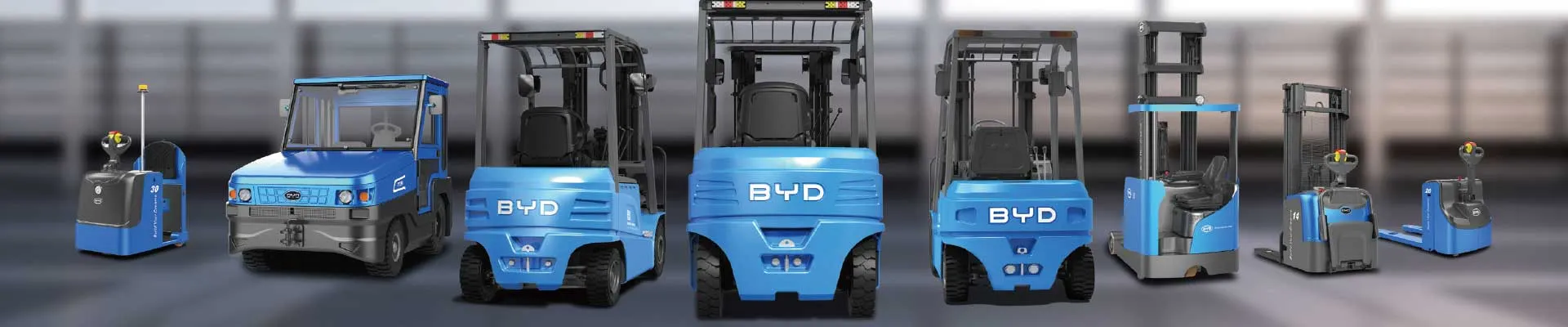
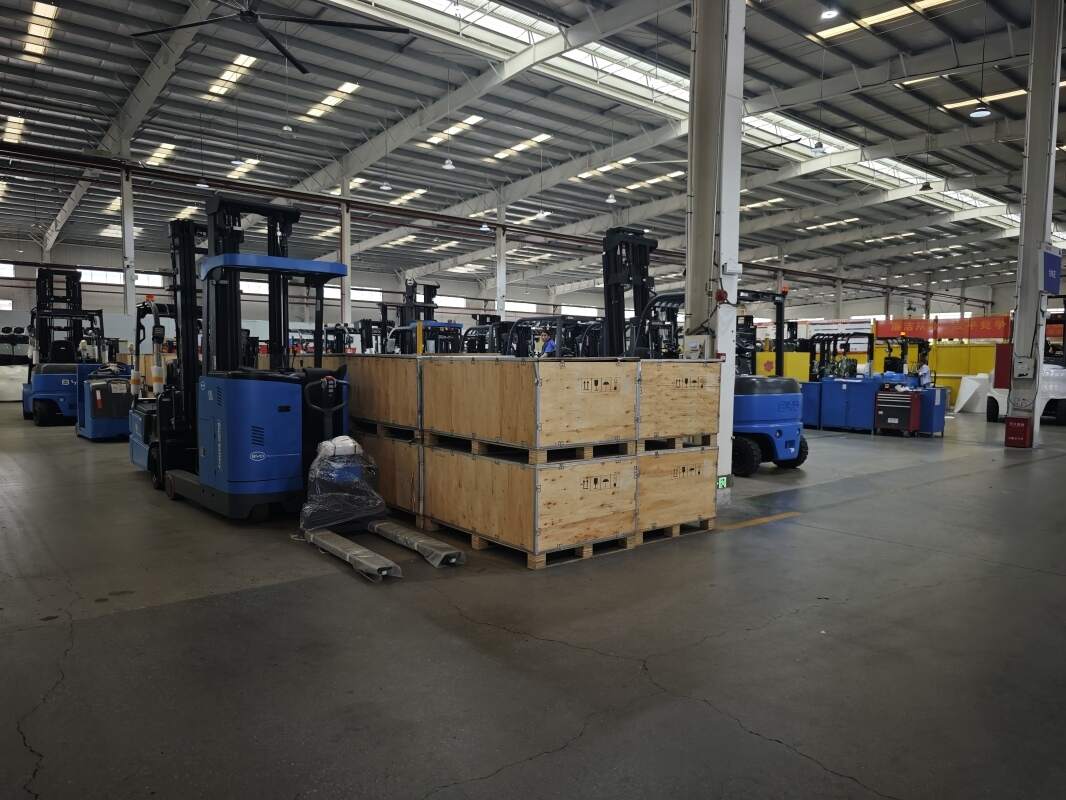
In modern manufacturing workshops that adopt lean production modes, the production line feeding scenario with frequent pallet exchange usually puts higher requirements on the flexibility, operation stability and handling efficiency of electric pallet trucks. Improper operation or unreasonable workflow arrangement will not only cause unnecessary shutdown waiting of assembly stations, but also easily accelerate the loss of equipment wearing parts, increasing long-term logistics operation costs.
The first practical suggestion is to complete targeted pre-operation state check before entering the feeding zone. For scenarios that require pallet exchange every several minutes, it is recommended that operators check equipment status every two continuous operating hours, instead of only carrying out full inspection before daily shift. The checking items include remaining battery level, brake response sensitivity, fork arm surface abrasion degree, and sundry winding condition on driving wheels. Clearing sundries stuck on wheel gaps in advance can avoid sudden jamming during high-frequency moving, which will not break the stable feeding rhythm of production line.
The second suggestion is to follow standardized operation flow during pallet exchange process. Operators need to keep low traveling speed when the pallet truck is close to the assembly station, insert fork arms into pallet insertion holes fully before lifting the goods, and control the lifting height within 10 cm to avoid goods slipping off from the pallet. After the full material pallet is transported to the designated position, operators need to move the empty pallet completely to the spare storage area before leaving the station, do not carry out cross moving of two pallets to speed up, so as to avoid scratching production line sensing components or hurting nearby passing staff.
The third suggestion is to make proper workflow matching with production line signal mechanism. Operators can communicate with the on-site material signal staff in advance, and get ready at the pre-feeding standby area 10 seconds before the assembly station sends out feeding demand, which can reduce unnecessary waiting time on both sides. Operators can also arrange all pallets to be exchanged on the same side of the pre-feeding area in advance, to reduce unnecessary turning times in the narrow channel, which can effectively shorten the single traveling distance for each feeding circulation.
The fourth suggestion is to formulate targeted daily maintenance scheme for high-frequency operation scenarios. After each daily shift, operators need to clean up the sundries accumulated on the surface of bearing wheels and driving wheels, add proper amount of lubricating oil to all hinge activity points once every week, and check the battery operating state every two weeks. These small maintenance measures can effectively extend the service life of core components, reduce unexpected equipment downtime probability. These easy-to-implement suggestions can help logistics teams give full play to the advantage of electric pallet trucks in frequent handling scenarios, create more stable and orderly feeding rhythm for production line, and bring steady improvement to overall workshop logistics operation effect.


