
 简体中文
简体中文 Русский
 Français
 Português
 Español
 لالعربية
.jpg "Pallet Truck Safety Standards: An Overview for Managers(figure1)")
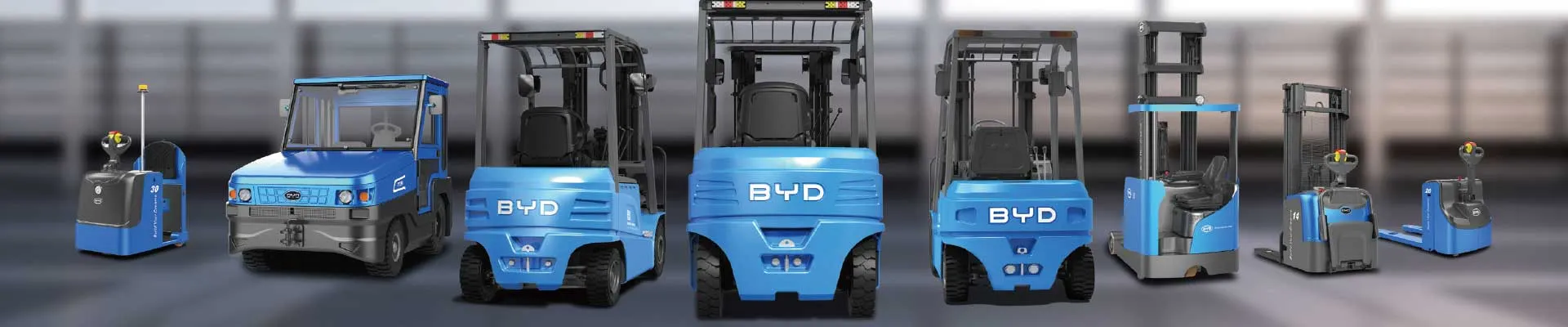
Against the background of low-carbon development trend in modern logistics and manufacturing sectors, electric forklifts have become one of the most widely adopted material handling equipment in indoor operation scenarios. Many frontline operators and warehouse managers still lack systematic cognition of relevant operation and maintenance rules, which may lead to unnecessary extra cost or operation hidden risks.
Core Performance Traits of Electric Forklifts
Different from internal combustion powered counterparts, standard electric forklifts are driven by stored electric energy, which produces no tail gas emission during the whole running process, and the overall operation noise is kept at a relatively low level that will not cause interference to indoor closed working environment. The load range of mainstream products can meet the demands of most conventional pallet handling and goods stacking work, and the mechanical vibration during operation is relatively small, which can provide better protection to fragile packaged goods. The energy consumption cost per unit running hour is at a relatively controllable level for long-term operation.
Standard Daily Operation Specifications
All operators should receive necessary pre-job training before formal operation. Before starting the machine, staff need to check the braking system, remaining power level and hydraulic lifting structure to confirm no abnormal situation exists. Operators should strictly refer to the rated load parameter to arrange goods placement, avoid overloading operation, slow down the running speed when turning corners, and keep sufficient safe distance with surrounding shelves and passing staff in narrow aisle areas. When parking the machine for a long time, operators need to pull the hand brake firmly, put the forks completely on the ground, and turn off the total power supply.
Routine Maintenance Suggestions
To extend the whole service cycle of equipment, users need to arrange regular inspection and maintenance work according to official guidance. For the power battery part, users should avoid deep over-discharge in daily use, check the electrolyte level at fixed intervals, and place the machine in dry and ventilated area during long-term idle period. Users also need to check the circuit connection parts regularly to avoid poor contact caused by oxidation, replace the hydraulic oil inside the lifting system as required, and clean up the dust and debris trapped in gaps of moving parts in time to reduce unnecessary wear. Mastering these practical rules can help relevant enterprises improve the overall material handling efficiency, reduce the comprehensive operation cost, and make electric forklifts play a better role in daily production and logistics links.


