
 简体中文
简体中文 Русский
 Français
 Português
 Español
 لالعربية
.jpg "Pallet Truck Refresher Training: Keeping Skills Current(figure1)")
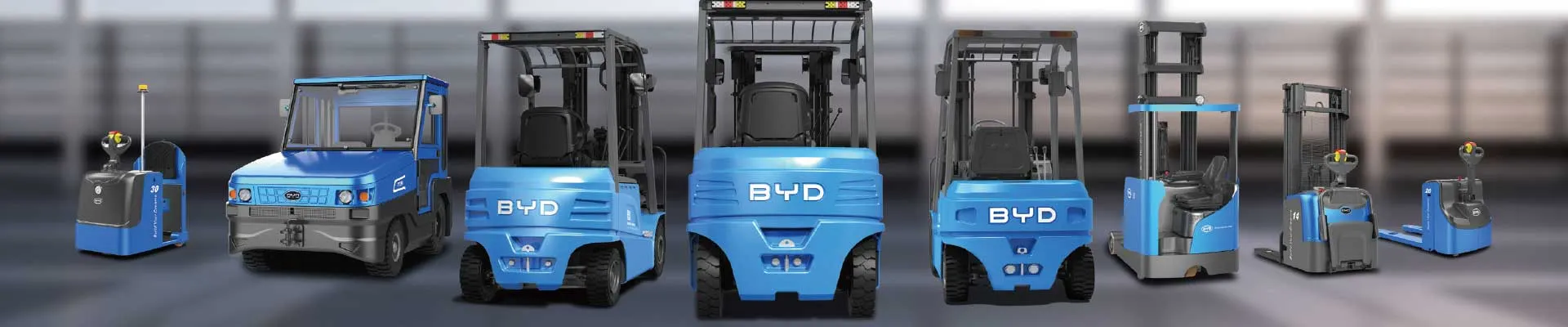
Against the background of widespread low-carbon transformation in the logistics and warehousing industry, electric forklifts have become one of the most widely used material handling equipment due to their low noise, zero local emissions and relatively low operating cost. For frontline operators and warehouse managers, mastering scientific operation and maintenance rules can bring multiple practical benefits to daily work.
Core Safe Operation Specifications for Daily Use
Before starting each shift, operators need to complete a full pre-inspection of the equipment, covering the power system, brake function, lifting mechanism and tire condition, to rule out hidden troubles that may occur during subsequent operation. During the driving process, operators should keep a stable driving speed according to the site road condition, avoid sudden steering or sudden braking when carrying heavy loads, and keep a safe distance from surrounding personnel and stacking goods. When operating the lifting or tilting system of the forklift, it is necessary to confirm that no personnel are standing in the working range of the fork arm, and the load center should be kept within the rated load range marked on the equipment nameplate, to avoid the risk of goods slipping or equipment tipping.
Routine Maintenance Measures to Extend Equipment Service Life
Daily maintenance work can be divided into daily shift post-processing, weekly full check and quarterly professional debugging. After each shift ends, operators should wipe the surface dust and sundries of the equipment, check the remaining power level of the battery, and arrange timely charging according to the operation manual requirements, avoid over-discharging or long-term overcharging that may damage the battery performance. The weekly check work needs to focus on the wear condition of key moving parts, and add appropriate amount of lubricating oil to the transmission part according to the specification, to reduce the abrasion loss between parts. The quarterly professional debugging can be completed by trained technical personnel, to check the circuit system tightness, adjust the brake sensitivity and calibrate the lifting accuracy of the fork arm, so as to keep the equipment in stable working condition for a long time.
Usage Scenario Adaptation and Efficiency Optimization Tips
Different working scenarios have different requirements for the performance of electric forklifts. For narrow aisle warehouses, operators can adjust the turning operation rhythm properly under the premise of meeting safety specifications, to improve the passing efficiency in narrow spaces. For outdoor temporary working scenes on flat ground, operators can choose appropriate low-speed gear to ensure stable operation on non-paved roads. It is also recommended for the management team to arrange regular skill training for operators, to help them get familiar with the performance characteristics of the equipment, and avoid irregular operations that may cause unnecessary equipment loss, so as to maximize the comprehensive benefit of the electric forklift in daily material handling work.


