
 简体中文
简体中文 Русский
 Français
 Português
 Español
 لالعربية
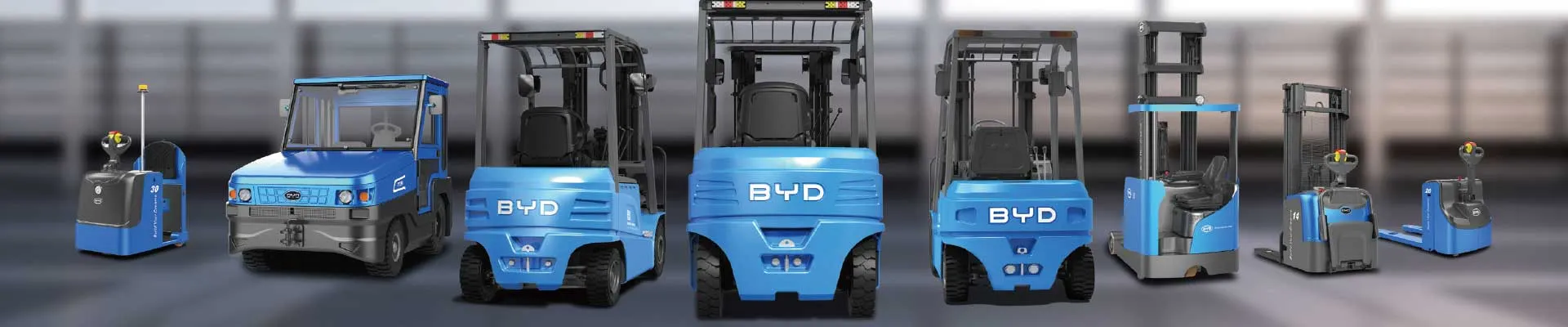
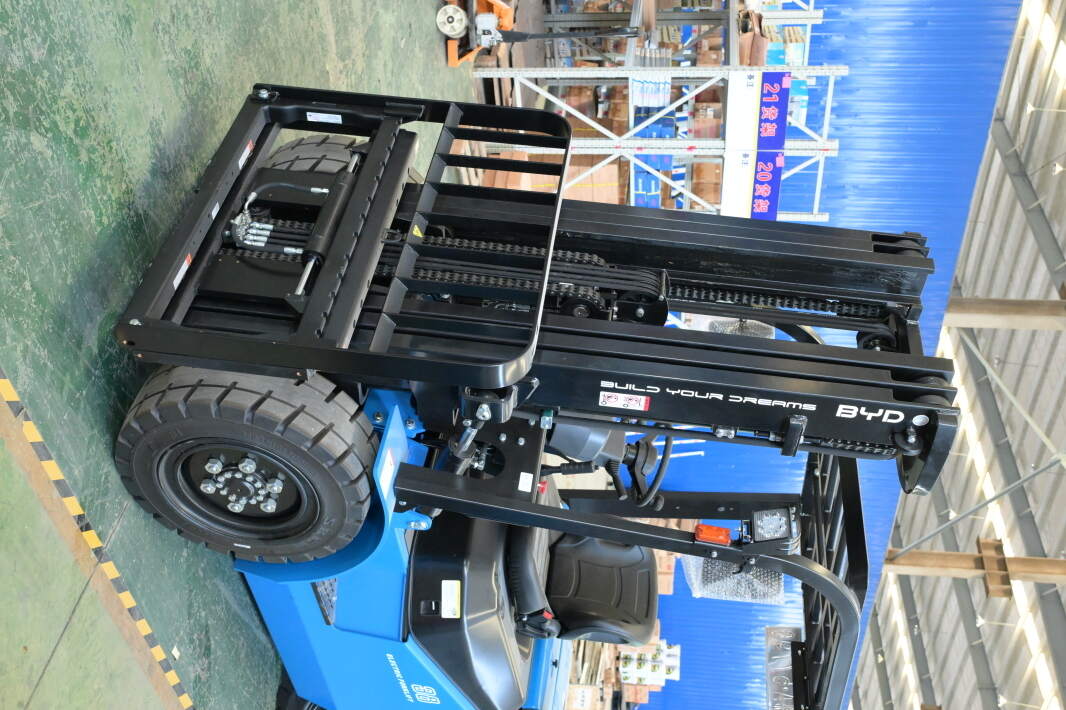
As the logistics and warehousing sector continues to pursue low-carbon operation and reasonable cost control, electric forklifts have become one of the most widely applied material handling tools in indoor and enclosed working scenarios. Mastering systematic knowledge of electric forklift usage helps teams reduce unnecessary operating risks and stabilize overall workflow efficiency in long-term daily shifts.
Core Advantages of Modern Electric Forklifts
Compared with internal combustion counterparts, electric forklifts produce no tail gas emission during operation, which fits the requirements of enclosed storage spaces that have strict air quality standards, including food warehouses, pharmaceutical storage areas and electronic component workshops. Their operating noise level stays at a relatively low range, which can reduce noise interference to surrounding workers and adjacent office areas during long-hour continuous shifts. Their power system structure has fewer wearing parts in general, which helps cut long-term operating cost input for most enterprises with medium and low operation intensity.
Standardized Daily Operation Guidelines
Before starting each shift, operators need to conduct basic pre-check routines including inspecting power residual level, braking system flexibility, lifting frame smoothness and tire surface condition, to rule out hidden issues that may cause abnormal operation in advance. During the operating process, operators should keep the load within the rated load range, avoid sharp turns and sudden acceleration on uneven ground, and keep a safe distance from surrounding personnel and stacked goods to avoid accidental collision. After finishing daily work, operators need to park the equipment at the designated position, lower the lifting frame to the lowest position, cut off the power supply, and avoid leaving the equipment with heavy load hanging at a high position for long time.
Rational Daily Maintenance Practices
For the power battery part, operators need to follow the official recommended charging specifications, avoid over-discharging the battery to extremely low residual level before charging, and place the battery in a ventilated, cool area during charging process, to avoid potential safety risk caused by high temperature accumulation. For the moving and transmission parts, regular cleaning of dust and sundries stuck in the gaps, and proper filling of lubricating oil according to operation frequency can effectively extend the service life of core components. All abnormal signals such as strange noise, unresponsive brake or abnormal power consumption should be recorded and submitted to professional maintenance personnel for processing in time, no unauthorized disassembly of core electrical components is allowed.
Efficiency Optimization Tips for Scenario Adaptation
For different operation scenarios, teams can arrange operation routes reasonably according to the equipment performance parameters. For narrow aisle working spaces, use equipment with matched body size to improve space utilization rate, and for continuous high-intensity operation scenarios, arrange reasonable battery rotation plan to reduce idle waiting time. Regular organized skill training for operators can also help the whole team make full use of the performance characteristics of electric forklifts, to further improve the overall turnover efficiency of goods handling in the warehouse.


