
 简体中文
简体中文 Русский
 Français
 Português
 Español
 لالعربية
_zip.jpg "Opportunity Charging Lithium Forklifts Without Ruining the Pack(figure1)")
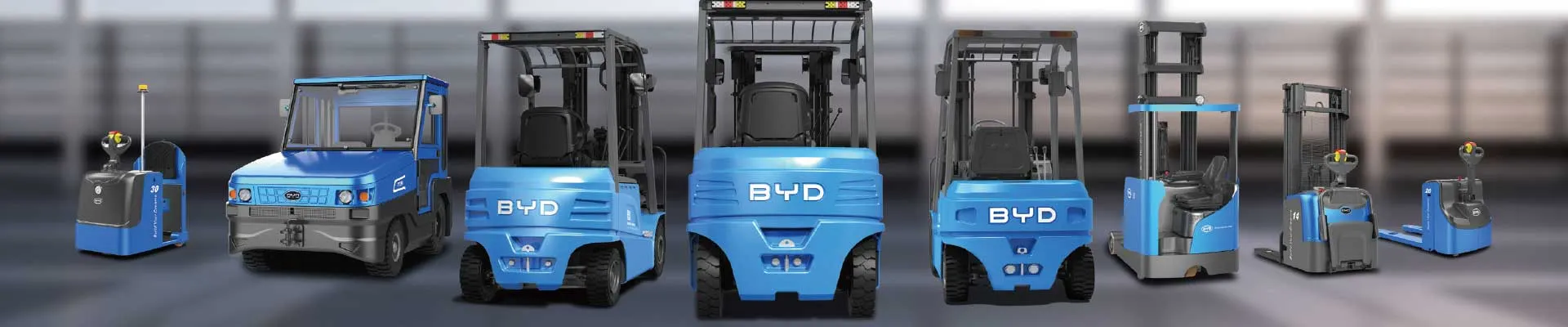
With the continuous development of low-carbon logistics trends, electric forklifts have been increasingly widely used in indoor storage, manufacturing workshops and urban distribution centers globally. Different from traditional internal combustion forklifts, electric forklifts feature lower noise emission, no exhaust pollution and flexible operating performance, which puts forward new requirements for users’ operation and daily management to give full play to its inherent advantages.
Standardized Operation Specifications for Daily Use
Before starting the equipment, operators need to complete necessary pre-check procedures, including checking the remaining power level of the power pack, the flexibility of the steering system, the braking performance, and the integrity of the load-bearing forks. During the operation process, operators should keep the load weight within the rated load range, avoid sudden acceleration or sharp steering, and keep a safe distance from surrounding personnel, shelves and other obstacles in the working scene. For high-lifting operation scenarios, operators need to pay attention to the stability of the vehicle body to avoid rollover risks caused by uneven load placement.
Routine Maintenance and Care Guidelines
Daily maintenance work helps reduce equipment failure rates and extend the overall service cycle of core components. After each shift, users should wipe off the dust and residual goods debris on the surface of the equipment, check the connection status of the power interface, and place the vehicle in the designated parking area with the forks lowered to a safe height. Regularly check the wear degree of driving wheels and transmission parts, add appropriate amount of lubricating oil to the movable connection parts as required, and avoid using the equipment in a state of insufficient power for a long time to prevent irreversible damage to the battery system.
Energy Efficiency Optimization and Scenario Matching
Reasonable operation habits can effectively improve the energy utilization efficiency of electric forklifts. For example, avoiding frequent start and stop on non-flat roads, planning the handling route in advance to reduce unnecessary round trips, and adjusting the driving speed according to the on-site working environment can all help reduce power consumption per unit of handling task. Users can also match the corresponding parameter configuration of electric forklifts according to actual scene characteristics, such as selecting models with appropriate lifting heights and load capacities for narrow aisle storage spaces, to improve the matching degree between equipment performance and actual demand.


