
 简体中文
简体中文 Русский
 Français
 Português
 Español
 لالعربية
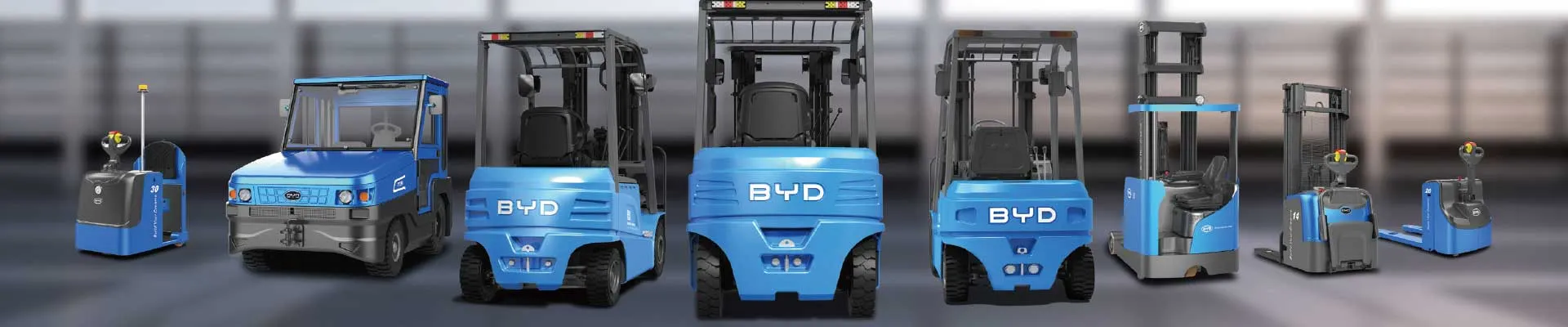
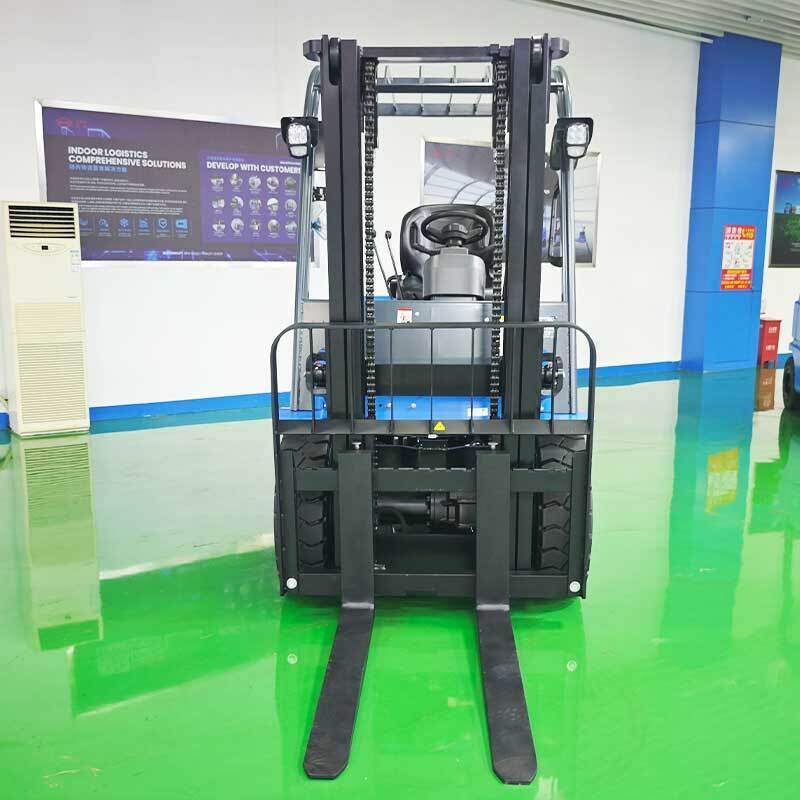
As low-carbon logistics becomes the mainstream trend of modern warehouse operation, electric forklifts have been widely adopted across different industrial handling scenarios in recent years. Unlike fuel-powered counterparts, these equipment run on battery power with relatively low noise and zero direct emission, which can well meet the operation requirements of enclosed indoor spaces, food processing workshops and cold storage areas.
Core Operation Advantages of Electric Forklifts
Different from internal combustion forklifts that generate exhaust gas during working, electric forklifts produce no harmful waste gas in the whole operation process, which can reduce the ventilation cost of enclosed working spaces for logistics teams. The vibration and noise level of running electric forklifts are also controlled at a relatively low range, which helps reduce the fatigue level of operators during long-time shift work, and create a more friendly working environment for on-site staff. Most electric forklift models have relatively compact body structure, which can pass through narrow warehouse aisles more smoothly, to improve the space utilization rate of the whole storage area.
Standard Operation Specifications for Daily Use
Operators need to receive professional skill training before getting on the equipment, to get familiar with the response logic of control levers, braking system and load limit parameters. Before each shift of operation, it is necessary to check the remaining battery power, tire condition and fork wear status, to avoid potential safety risks caused by hidden problems. When the equipment is running, operators should avoid sudden acceleration or sudden braking as much as possible, especially when carrying heavy loads, to prevent the goods from slipping and causing unnecessary loss. It is also not recommended to overload the equipment for a long time, which will cause extra burden to the motor and battery system.
Routine Maintenance Suggestions for Long Term Use
Doing a good job in regular maintenance can effectively keep the working performance of electric forklifts at a stable level. After the daily operation ends, operators should park the equipment in the designated ventilation area, clean up the dust and sundries attached to the body surface, and check the battery status in time to finish the charging work as required. The electrical connection parts should be checked regularly to avoid poor contact caused by dust accumulation and damp. For parts with normal wear, regular lubrication and replacement should be carried out according to the operation manual, to reduce the failure rate in daily use and extend the whole service cycle of the equipment.
Scenario Adaptation Adjustment Tips
When operating in special scenarios such as cold storage or dusty workshops, corresponding protection measures can be added according to actual working conditions, to reduce the impact of harsh environment on the core components of the equipment. Adjusting operation parameters reasonably according to the daily handling volume can also help match the equipment performance with actual work demands better.


