
 简体中文
简体中文 Русский
 Français
 Português
 Español
 لالعربية
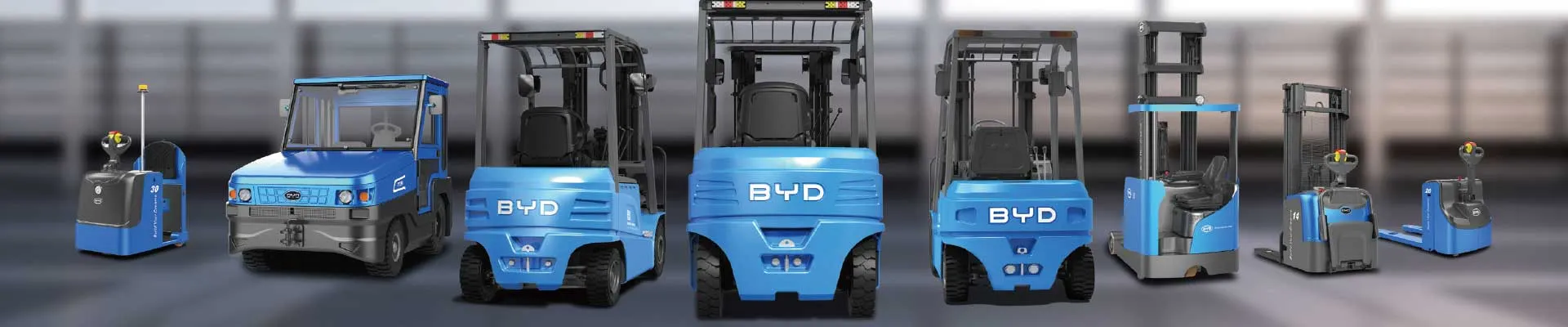
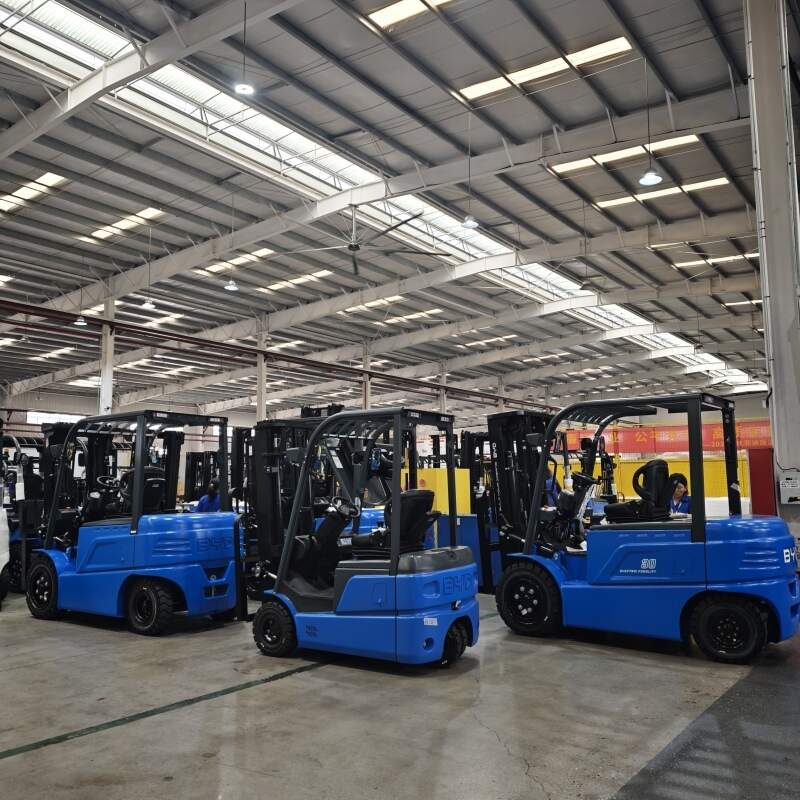
Deploying lithium-ion forklifts in facilities with very limited on-site charging space demands systematic, scenario-based planning that avoids occupying valuable floor area reserved for core storage and production activities. Unlike conventional charging solutions that require large dedicated zones, the arrangements for this scenario should fully leverage the inherent advantages of lithium-ion power units to cut extra space occupation as much as possible.
First, make full use of scattered idle edge zones to arrange miniaturized charging points. There is no need to set up a centralized large charging area that occupies main channel space, you can choose wall-mounted or column-mounted small charging terminals installed at the edge of loading and unloading waiting areas, shift handover stations or temporary parking spots for forklifts. These points do not need extra independent site occupation, and can support opportunity charging during short idle periods such as driver rest breaks, cargo arrangement gaps, to meet daily replenishment demands without replacing heavy batteries that require dedicated storage space.
Second, optimize fleet configuration and operation scheduling to reduce simultaneous charging demand. Before introducing the equipment, conduct statistics on the daily average working hours, average load weight and travel radius of the material handling process, select lithium-ion forklifts with matching battery capacity instead of blindly choosing over-specification models. Dispatch operation teams to arrange staggered replenishment times for different units, avoid peak hours when multiple forklifts need charging services at the same time, to ensure limited space resources can cover all operational demands.
Third, embed lightweight safety management rules into existing operation frameworks. For scattered small charging points, mark the minimum reserved safety distance around each terminal, and configure basic safety monitoring accessories that do not occupy extra space. It is not necessary to build a special closed charging compartment, the on-site operation team can complete conventional daily inspections of power unit status, to meet safety compliance requirements under the premise of saving space.
Before finalizing the deployment plan, conduct a full survey of the existing facility moving line, embed all charging points into the original logistics node layout, which can support stable and long-term operation of lithium-ion forklifts without large-scale site reconstruction, and create proper value for daily material handling activities.


