
 简体中文
简体中文 Русский
 Français
 Português
 Español
 لالعربية
.jpg "Key application points for lithium-ion forklifts under heavy-load cycles in paper-industry warehouses(figure1)")
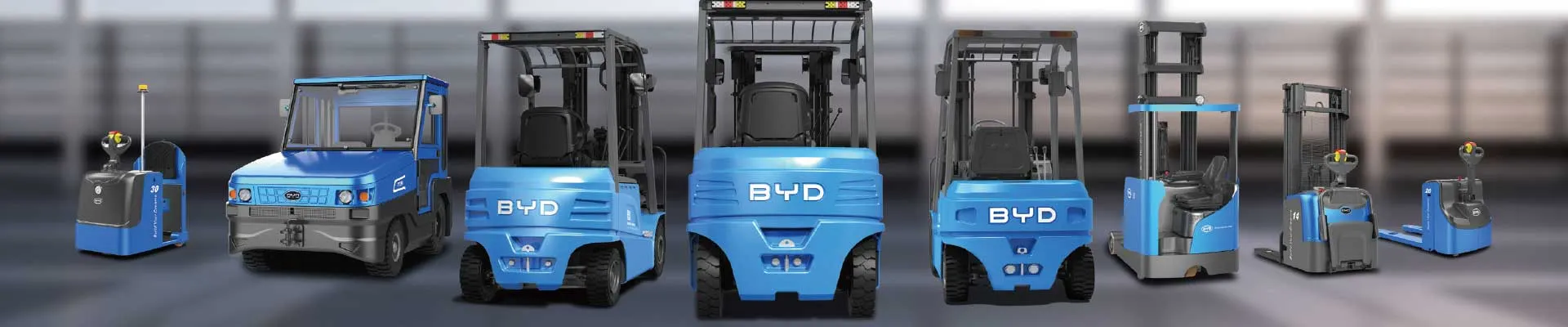
Paper industry warehouses are typical heavy-load logistics scenarios that store large-volume paper rolls, stacked finished paper products and packaging accessories, with a single pallet load usually ranging from 2 tons to 5 tons. Most operations run in continuous multi-shift cycles, and the frequent high-intensity lifting and carrying scenarios put forward higher requirements for the performance and application standards of handling equipment. Lithium-ion forklifts have been widely applied in such scenarios in recent years, and following targeted application rules can give full play to its operational advantages.
The first core point is the load matching and dynamic parameter calibration. Operators should set the power output threshold of the forklift according to the maximum daily load of paper products, and avoid long-term operation under the state of exceeding 10% of the rated load. When lifting heavy paper rolls, keep the forks rising at a constant horizontal speed, and do not start or stop the lifting mechanism abruptly to prevent the paper rolls from shifting and avoid unnecessary damage to the paper surface or packaging.
The second point focuses on energy efficiency management under continuous heavy-load cycles. The battery management system of the lithium-ion forklift should be calibrated for remaining power display on a regular basis. Operators are not suggested to run the equipment until the battery is fully exhausted, and can use the 15 to 30 minutes break between shifts for opportunity charging to ensure stable power output for subsequent heavy-load operations. Do not perform walking and steering operations at the same time when the equipment is lifting heavy loads at full power for a long time, so as to reduce the instantaneous load of the power system.
The third point is daily maintenance adapted to the special environment of paper warehouses. A large amount of fine paper fiber is suspended in the air of such warehouses, and the heat dissipation vents of the lithium-ion forklift should be cleaned weekly to prevent fiber accumulation from affecting the heat dissipation efficiency of the battery pack. Check the integrity of the body sealing parts regularly to prevent moisture in the ambient environment from penetrating into the internal electrical components. Clean the residual paper pulp and debris on the fork surface after each heavy-load operation to avoid scratching the surface of high value paper products in subsequent handling tasks.
The last point is to standardize the operation behavior of on-site staff. All operators should receive targeted pre-job training, get familiar with the channel width and load limit of racks in the paper warehouse. Reduce driving speed in advance when entering and leaving the unloading platform or shelf area, and control the driving speed under heavy-load status no more than 5 km per hour to avoid cargo tilt caused by sudden braking. Implementing these operation points properly can effectively extend the service life of lithium-ion forklifts and bring stable improvement of overall warehouse operation efficiency.


