
 简体中文
简体中文 Русский
 Français
 Português
 Español
 لالعربية
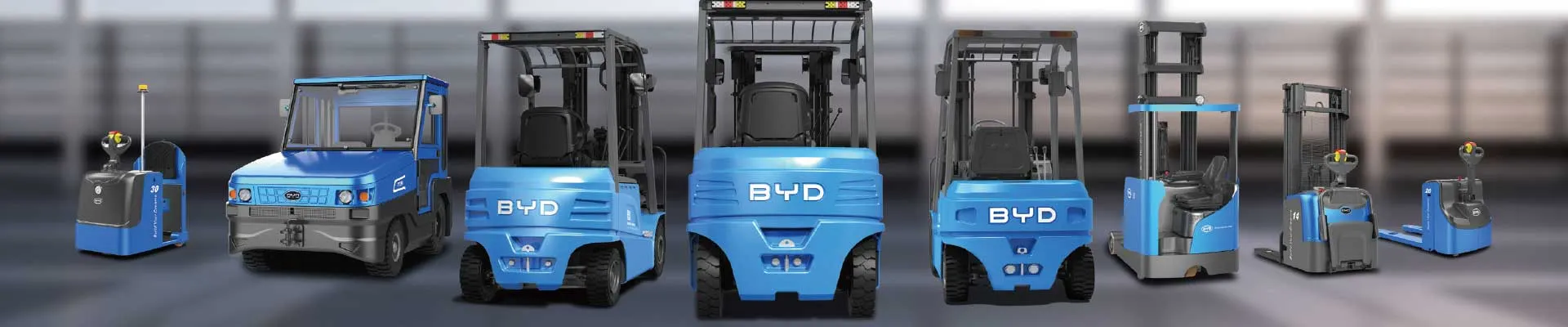
.jpg "How to manage maintenance costs for mixed-age electric pallet truck fleets(figure1)")
With the continuous promotion of low-carbon concepts in industrial logistics, electric forklifts have become one of the most common handling equipment in indoor storage scenarios in recent years. Unlike fuel-powered counterparts, their operation process produces no exhaust emissions, and the relatively low operating noise also creates a more comfortable working environment for surrounding staff. It is necessary for relevant practitioners to master core knowledge points of electric forklifts to give full play to their functional advantages in daily work.
Core Application Scenarios of Modern Electric Forklifts
Most electric forklifts are designed to adapt to flat and solid indoor ground, so they are widely used in conventional e-commerce warehouses, raw material storage areas of processing plants, and distribution centers for daily consumer goods. For scenarios that have strict requirements for air cleanliness, such as pharmaceutical storage workshops and food processing finished product areas, the zero-emission feature of electric forklifts can well meet the relevant environmental access standards. Many optimized models can also pass through narrow channel spaces, improving the utilization rate of warehouse storage space to a certain extent, and reducing the collision probability between handling equipment and shelf structures during the working process.
Standardized Operation Norms for Daily Use
Before starting the electric forklift each time, operators need to check the remaining battery power, brake sensitivity, steering flexibility and the normal operation of the lifting hydraulic system first. The operation process should strictly follow the corresponding operation specifications, avoid overloading the goods beyond the rated load range, and confirm that no personnel stay in the surrounding activity range before lifting or lowering the goods. When the vehicle is running, operators should control the driving speed according to the actual on-site environment, decelerate in advance when turning, and avoid sharp braking or sharp steering to prevent the goods from falling accidentally due to inertia. After the daily operation task is completed, the vehicle should be parked in the designated area, pull up the hand brake and cut off the main power supply.
Routine Maintenance Suggestions to Extend Service Life
Regular maintenance can effectively reduce the failure rate of electric forklifts in long-term use. Operators can regularly clean the dust and impurities accumulated on the battery connection contacts, to avoid poor contact affecting the power supply efficiency. When charging, follow the official operation prompts, avoid long-term over-discharge of the battery, and do not place the charging equipment in a high temperature and humid environment for a long time. It is also necessary to check the wear degree of tires regularly, replace the accessories that reach the wear limit in time, and check the sealing performance of the hydraulic system at fixed periods to prevent oil leakage problems. These small daily maintenance operations can help the equipment maintain a stable working state for a long time, and bring more stable support for the daily material handling work of the logistics system.


