
 简体中文
简体中文 Русский
 Français
 Português
 Español
 لالعربية
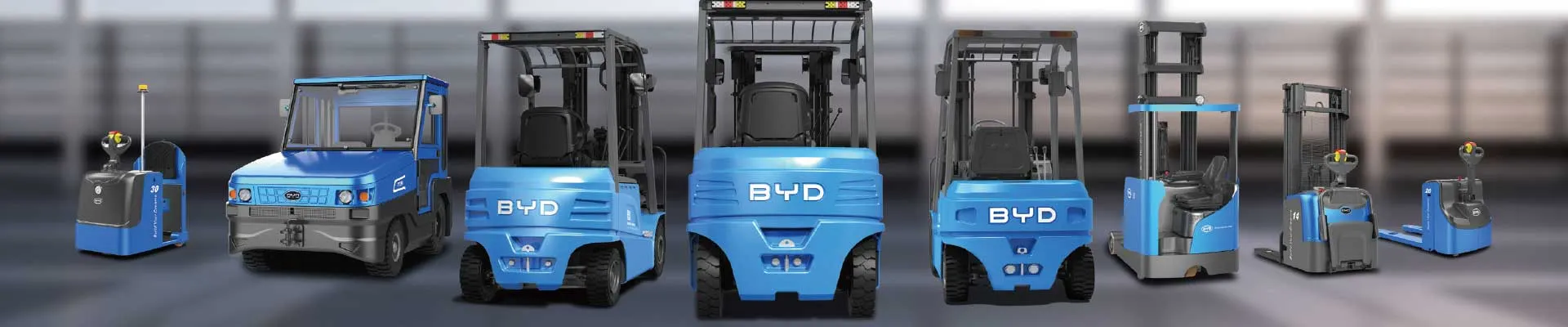
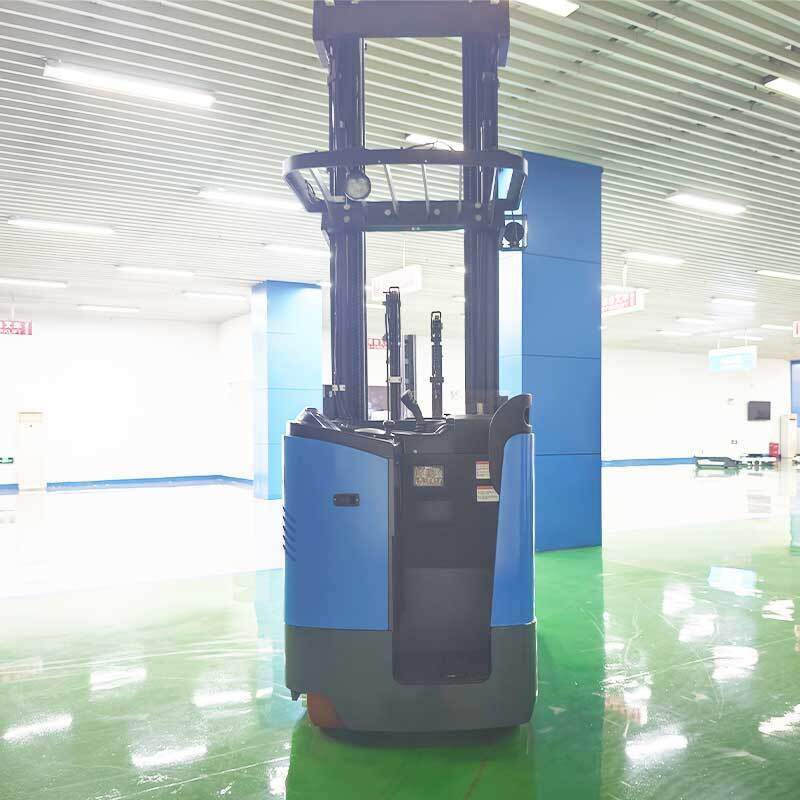
As the global logistics and warehousing industry keeps pursuing low-carbon, high-efficiency operation modes, electric forklifts have become one of the most widely applied core equipment in indoor and enclosed material handling scenarios. Different from traditional internal combustion forklifts, electric models carry unique operational characteristics, which require systematic learning for operators and management teams to leverage their performance in reasonable ways.
Core Characteristics of Modern Electric Forklifts
Most electric forklift models are powered by rechargeable energy systems, producing nearly no exhaust emissions during the whole operation process, making them suitable for confined spaces with strict emission restrictions, such as cold storage, food processing workshops and pharmaceutical storage areas. Their overall operation noise stays at a relatively low level, which helps reduce long-term noise interference to on-site staff and improve working environment comfort. In terms of power output, the torque of electric power systems can respond quickly to meet basic demands of most conventional loading, unloading and stacking operations.
Standardized Daily Operation Protocols
Before each shift of operation, operators need to finish pre-operation inspection in order, including checking remaining power of the energy system, flexibility of steering and braking components, and integrity of safety protection devices such as limit switches. During operation, operators need to keep the load center within the specified range of forks, avoid overloading operations that exceed the rated load of the equipment, and keep a safe distance from surrounding personnel, goods and shelf structures. For ramp scenarios, operators need to adjust driving speed reasonably, avoid turning on ramps as much as possible, and park the equipment on flat and stable ground when leaving the operation position.
Routine Maintenance Tips for Stable Long-term Use
Regular maintenance work can effectively reduce the failure rate of electric forklifts in daily application. After each long shift, operators need to wipe dust and sundries attached to the equipment surface and power module, check the wear degree of tire structures, and arrange supplementary charging in accordance with specified charging procedures in time. The management team can arrange professional personnel to conduct a comprehensive inspection of the circuit system, lifting structure and control module at fixed cycles, replace aging worn parts in time, and record maintenance status to form a complete equipment operation file.
Basic Safety Compliance Checkpoints
Enterprises that use electric forklifts need to arrange regular targeted training for all operators, to ensure every staff member who operates the equipment has mastered corresponding operation skills and safety judgment methods. It is also necessary to set up obvious warning signs in the fixed operation area of the equipment, plan special passages for forklift driving, and reduce mixed traffic scenarios of personnel and equipment as much as possible. Reasonable application and standardized management of electric forklifts can help the material handling system achieve more stable operation performance, delivering practical value for daily warehouse operation.


