
 简体中文
简体中文 Русский
 Français
 Português
 Español
 لالعربية
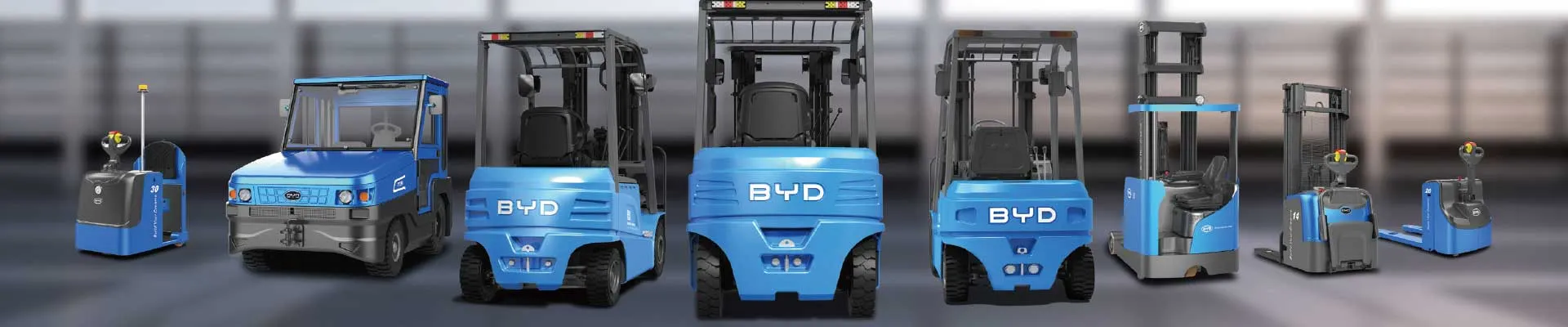
.jpg "How electric counterbalance forklifts support cargo turnover inside beverage-production warehouses(figure1)")
Beverage production warehouses have unique operational characteristics that raise specific requirements for internal material handling efficiency. These facilities need to handle frequent flows of packaging raw materials, semi-finished filling materials, and finished beverage pallets within limited indoor space, while also complying with strict food hygiene standards for operating environments. Traditional fuel-powered forklifts can hardly match these multi-dimensional demands well during daily long-hour operations, which makes electric counterbalance forklifts a more suitable option to support stable cargo turnover.
Electric counterbalance forklifts are designed with proper counterweight structure to guarantee stable operation under different load conditions, which fits the common load range of most beverage cargo units. The flexible steering system allows the equipment to move smoothly in narrow aisles between shelves, without occupying extra reserved space for turning. This feature effectively increases the number of cargo handling cycles per unit working hour, so that the cargo waiting queue beside loading and unloading points can be shortened obviously, avoiding unnecessary pauses in the material supply chain of the whole production line.
Different from fuel-powered forklifts, electric counterbalance forklifts produce no exhaust emission during operation, and keep a relatively low running noise level. This performance can well meet the food hygiene requirements of beverage production scenes, as there is no risk of residual odor or polluted particles affecting the cleanliness of packaging materials and finished products. The low-noise operation also will not interfere with the normal running of adjacent filling and packaging workshops, so that the whole facility can keep continuous 24-hour shift operation without extra ventilation transformation or noise reduction investment.
The smooth power response of electric counterbalance forklifts also helps operators complete lifting, stacking and docking actions with higher accuracy, effectively reducing the risk of cargo falling or collision damage. For beverage products with fragile outer packaging, lower damage rate means less time spent on rework or discarded product treatment, which further reduces ineffective links in the whole cargo turnover flow. The equipment can seamlessly switch between raw material receiving area, finished product temporary storage zone and outbound loading platform, eliminating the waiting time caused by frequent equipment scheduling. In peak business seasons with large cargo throughput, the equipment can support the warehouse to maintain a steady and smooth cargo turnover rhythm, matching the normal operation schedule of beverage production facilities.


