
 简体中文
简体中文 Русский
 Français
 Português
 Español
 لالعربية
.jpg "How electric counterbalance forklifts assist cargo-arrangement tasks inside large-scale fruit-cold-storage sites(figure1)")
Large-scale fruit cold storage sites usually maintain constant low temperatures ranging from 0℃ to -25℃, storing tons of perishable fresh fruits, processed semi-finished fruit products and frozen fruit commodities. Daily cargo arrangement tasks require frequent movement of full pallets of goods, precise alignment of stacking positions, and dynamic adjustment of storage locations to follow the first-in-first-out inventory rule, so the handling equipment used must match the strict operation requirements of such special scenarios.
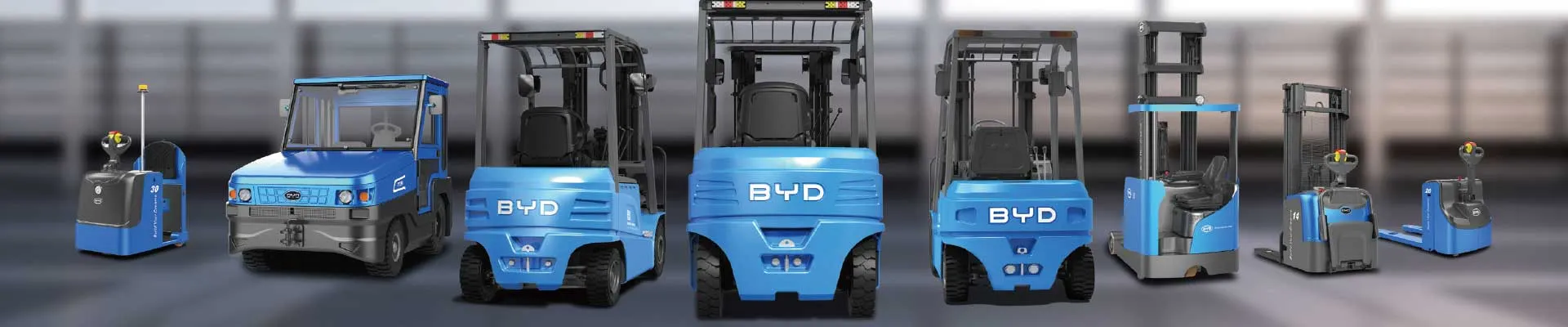
Electric counterbalance forklifts show high adaptation to the cold storage working environment from multiple dimensions. Unlike internal combustion handling equipment, they produce no exhaust emission or excess fuel combustion byproducts during operation, which will not cause unnecessary odor residue or tiny particulate pollution to the stored fresh fruits that are sensitive to foreign smells. The counterbalance weight structure at the rear of the equipment provides stable supporting force when lifting goods to 3 to 7 meters high, allowing operators to adjust the position of fruit pallets accurately without shaking, effectively avoiding fruit collision damage during the cargo arrangement process.
For long-duration continuous cargo arrangement shifts inside large fruit cold storage sites, the optimized power management system of electric counterbalance forklifts can maintain stable power output under low temperature conditions. The sealed electrical component design effectively reduces the risk of frost condensation affecting normal operation, and the low-noise operation mode will not interfere with the communication between on-site operators who wear thick cold-proof work clothes. Most models can complete 6 to 8 hours of continuous cargo arrangement work after one full charge, which can cover the daily peak operation period of most medium and large fruit cold storage sites.
In terms of operation safety, electric counterbalance forklifts are configured with low-speed movement limiting function when working in the narrow cargo aisles between pre-placed fruit stacks, which reduces the risk of accidental collision with stored goods or cold storage enclosure structures. No open heat source is generated during the whole operation process, which eliminates the hidden danger of heating the local cold air and causing partial frost melting of the frozen fruit on the nearby pallets. For on-site cargo arrangement managers, the use of such equipment can also reduce the daily regular maintenance workload related to fuel pipeline and exhaust system, helping the cold storage operation team to control the comprehensive operation cost within a reasonable range.


