
 简体中文
简体中文 Русский
 Français
 Português
 Español
 لالعربية
.jpg "Forklift Battery Warranty Terms: Reading the Fine Print(figure1)")
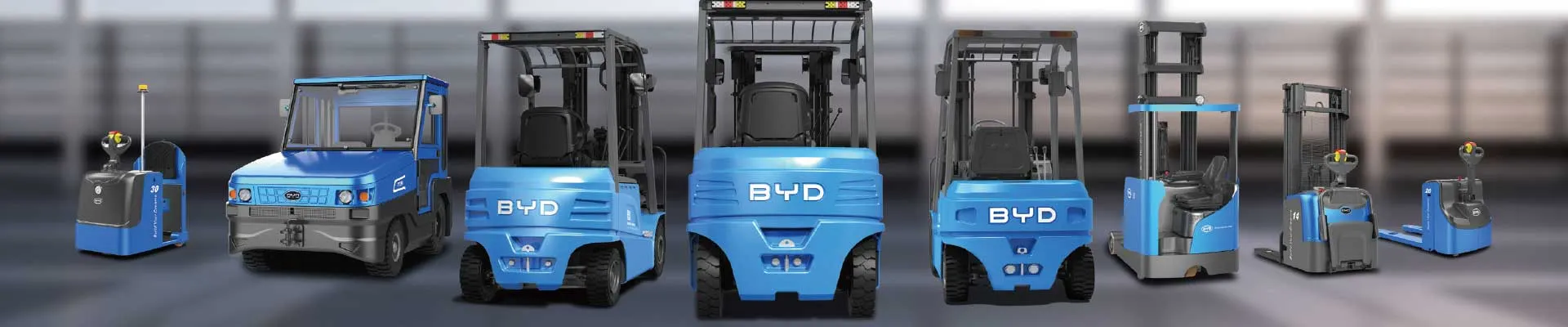
With the global low-carbon transformation of industrial logistics and warehousing sectors, electric forklifts have become a mainstream choice for short-distance cargo transportation, high-position stacking and cargo loading and unloading in most industrial scenarios. Compared with traditional internal combustion counterparts, electric forklifts feature lower noise emission, no exhaust pollution and more flexible operation, which can adapt to various closed warehouse and indoor production workshop usage demands. Mastering standardized operation and maintenance rules can help enterprises fully tap the value of this kind of material handling equipment, lower long-term use cost and reduce potential safety risks in daily work.
Basic Standardized Operation Specifications
Before starting the equipment every day, operators should conduct a comprehensive pre-use check covering remaining battery level, brake system sensitivity, lifting frame smoothness, tire surface condition and light prompt function. If any abnormal sign such as unresponsive brake or unsteady hydraulic lifting is found, the equipment should not be put into use before professional troubleshooting. During operation, operators need to follow the rated load limit strictly, avoid overloading for a long time, keep a safe distance from surrounding personnel and facilities during driving, and reduce driving speed in areas with limited sight or crowded people. When the fork is loaded with goods at a high position, do not carry out long-distance driving, and it is not allowed to stand or walk under the lifting gantry by any irrelevant personnel.
Routine Maintenance Skills to Extend Equipment Service Life
The battery component is the core part of electric forklifts, so relevant daily maintenance work needs to be paid extra attention. Operators should avoid excessive charging or discharging of the battery, clean the dust and sundries on the surface of the electrode and connector regularly, and keep the battery compartment dry and ventilated. For the hydraulic system, regular inspection of the oil pipeline for leakage and timely replacement of aging hydraulic oil can effectively avoid the failure of the lifting function. In daily parking, the equipment should be placed in a dry and cool area as much as possible, avoiding long-term exposure to strong sunlight or high humidity environment, which will cause accelerated aging of the internal circuit components.
Scene-based Safety Optimization Strategies
For narrow passage operation scenarios, operators should slow down in advance and send out voice prompts when turning, to prevent collision with passing personnel or stacked goods. When working in special scenarios such as low temperature or high dust, targeted additional protection measures can be added to the equipment according to actual demands, to reduce the impact of harsh environment on the normal performance of the equipment. The management team can arrange regular skill re-training for front-line operators, to consolidate their mastery of standard operation specifications and reduce safety risks caused by irregular operation habits.


