
 简体中文
简体中文 Русский
 Français
 Português
 Español
 لالعربية
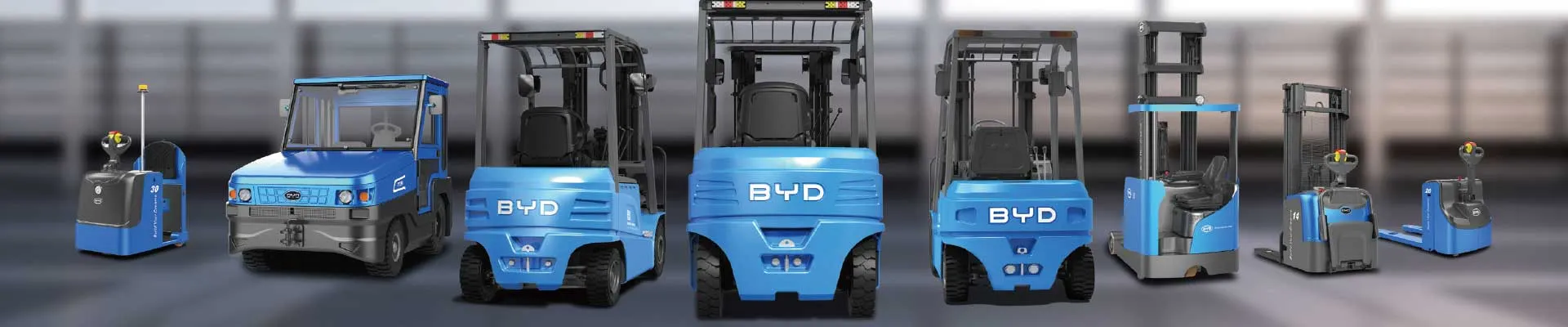
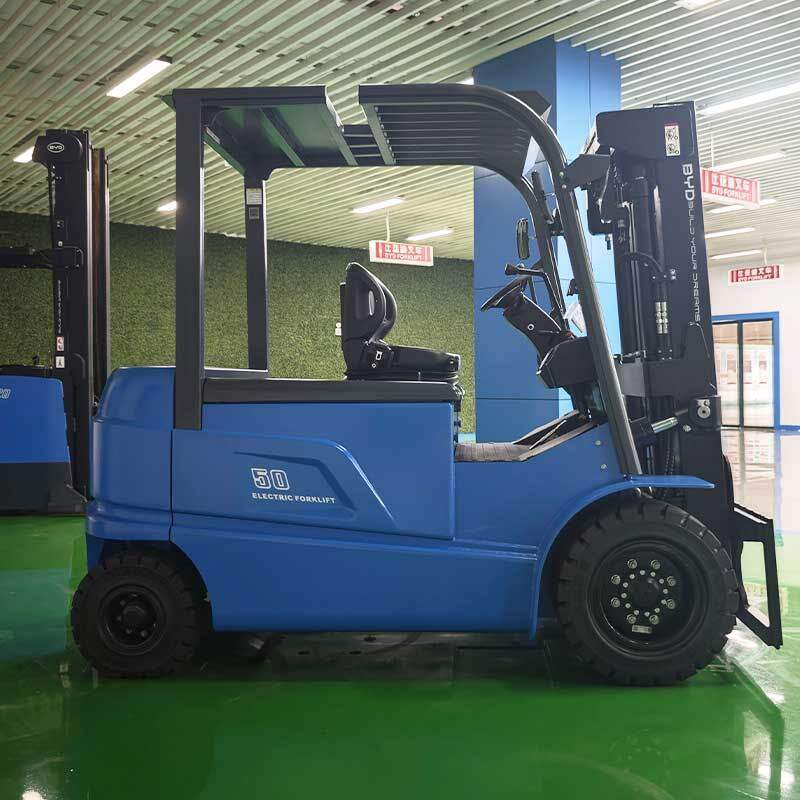
As low-carbon logistics and warehousing development accelerates across multiple industrial sectors, electric forklifts have gradually become one of the most widely used material handling equipment in closed operation spaces like warehouses, distribution centers and manufacturing workshops. Many frontline operators and facility managers still need systematic, practical guidance to maximize the value of such equipment without unnecessary wear or safety risks.
Core Advantages of Modern Electric Forklifts
Different from internal combustion counterparts, electric forklifts rely on electric power drive systems to complete cargo lifting, stacking and short-distance transportation tasks, with no exhaust emission generated during normal operation. The overall noise level during operation is also significantly lower than that of fuel-powered equipment, which can effectively reduce noise disturbance for staff working in closed warehouse spaces for long hours. The structure of power components is relatively simpler, so the regular maintenance workload is lower compared to fuel-driven models under equal operation intensity.
Standard Operation Norms for Daily Use
Before starting each shift, operators need to conduct a basic inspection of key parts including the brake system, lifting hydraulic structure, tire condition and remaining power level, to rule out hidden risks in advance. Operators need to receive professional operation training before taking up the post, keep the load center within the specified range marked on the equipment nameplate during operation, avoid overloading or lifting unbalanced cargo that may cause sideslip or tilt. It is not allowed to carry extra personnel on the equipment body for non-operation purposes, and operators should keep the running speed adapted to the on-site ground condition and surrounding pedestrian flow density.
Practical Daily Maintenance Tips
After finishing daily operation tasks, operators need to park the equipment in the specified designated area, lower the lifting fork to contact the ground surface, cut off the main power supply and clean up the dust and cargo residue attached to the equipment surface in time. For the power battery pack, staff should follow the official specified charging procedures, avoid over-discharging or long-term under-charging status, and regularly check the connection terminals to make sure there is no loose or corrosion phenomenon. Regular lubrication for the rotating and friction parts can effectively reduce component wear, and timely record of daily operation fault signs can help maintenance staff locate potential problems earlier.
Proper Scenario Matching for Better Performance
Electric forklifts are more suitable for long-hour continuous operation in indoor closed spaces and areas with high requirements for environmental sanitation, such as food warehousing, pharmaceutical storage and e-commerce distribution centers. For operation scenarios with special requirements for narrow passage space, you can choose corresponding compact-sized models to improve the space utilization rate of the warehouse. Reasonable matching of model parameters with actual operation needs can avoid unnecessary performance waste, and bring more stable and reliable material handling support for daily logistics work.


