
 简体中文
简体中文 Русский
 Français
 Português
 Español
 لالعربية
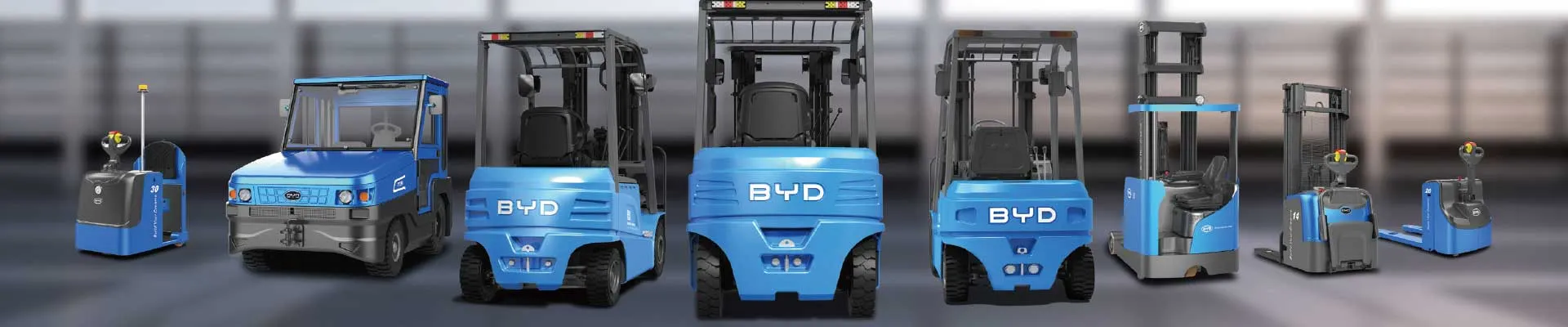
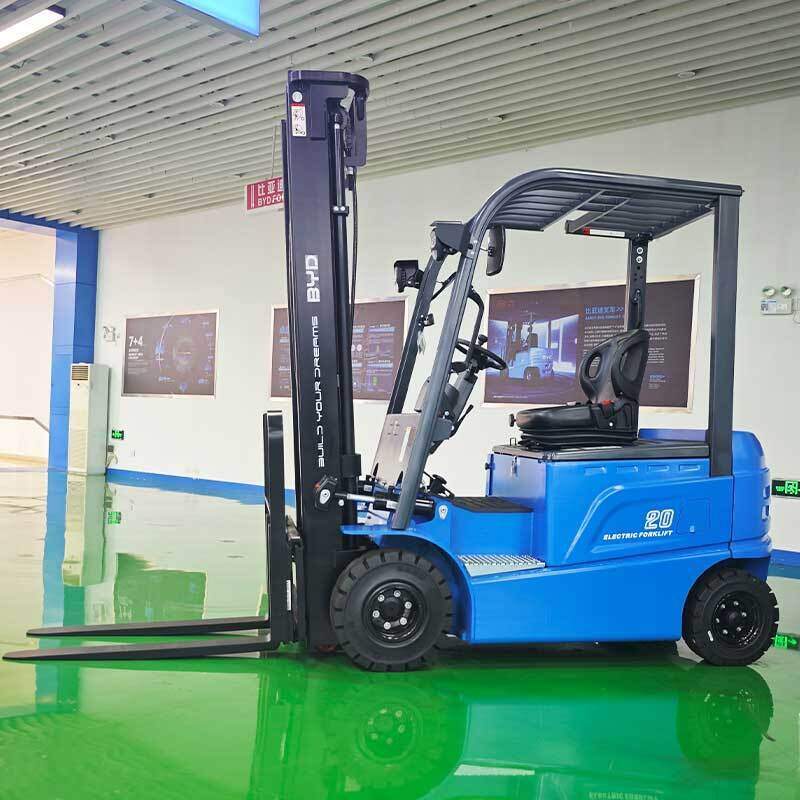
Against the background of continuous promotion of low-carbon logistics transformation, electric forklifts have gradually become one of the most widely used material handling equipment in modern industrial and warehousing scenarios. This article sorts out practical professional knowledge related to electric forklifts from multiple dimensions, to provide reliable reference for relevant practitioners in the logistics and warehousing industry.
Core Functional Advantages of Electric Forklifts
Compared with traditional internal combustion handling equipment, electric forklifts are driven by power battery packs, which will not produce exhaust emissions during daily operation, and can meet the strict environmental protection requirements of closed indoor working spaces. The overall noise level during operation is also significantly lower, which can effectively reduce the noise interference to the working environment of surrounding staff, and help maintain a more comfortable working state for frontline operators. Most of the structural designs of electric forklifts focus on operation ease, the steering and control feedback is smoother, and the learning threshold for new operators is relatively friendly after they receive standardized pre-job training.
Rational Deployment Principles for Applicable Scenarios
When selecting and deploying electric forklifts, users first need to match the corresponding load capacity and lifting height parameters according to the actual daily material handling demand. For scenarios with high operation intensity for more than 6 hours a day, it is recommended to configure a matching spare battery pack to ensure the continuity of operation without affecting the normal scheduling of logistics links. For outdoor operation scenarios with frequent rain and snow weather, corresponding waterproof and protective measures need to be taken for the core electrical components of the equipment to avoid unnecessary wear and damage caused by the invasion of moisture and dust. It is not recommended to use electric forklifts for a long time in extreme low temperature or high temperature environments that exceed the specified working temperature range, so as to avoid accelerating the attenuation of battery performance.
Standardized Daily Maintenance Guidelines
Daily maintenance work of electric forklifts can effectively extend the overall service life of the equipment and reduce the probability of sudden failures in the operation process. Operators need to check the power level of the battery before starting the machine every day, and observe whether the surface of the battery shell has obvious deformation or leakage. After the daily operation is completed, the sundries on the surface of the equipment body and the walking wheel structure should be cleaned in time, and the tightness of the connecting parts of the hydraulic lifting system should be checked regularly. The charging process needs to be carried out in a ventilated and dry dedicated area, and the overcharge and over-discharge of the battery pack should be avoided as much as possible, which can maintain the stable performance of the battery for a long time. Standardized operation and reasonable maintenance can give full play to the use value of electric forklifts, and bring stable support for the efficient operation of the entire material handling link.


