
 简体中文
简体中文 Русский
 Français
 Português
 Español
 لالعربية
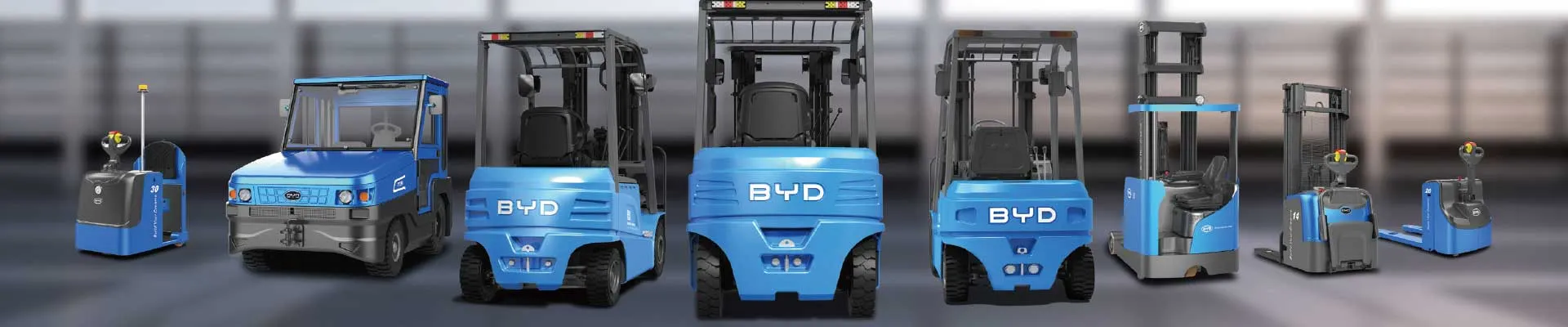
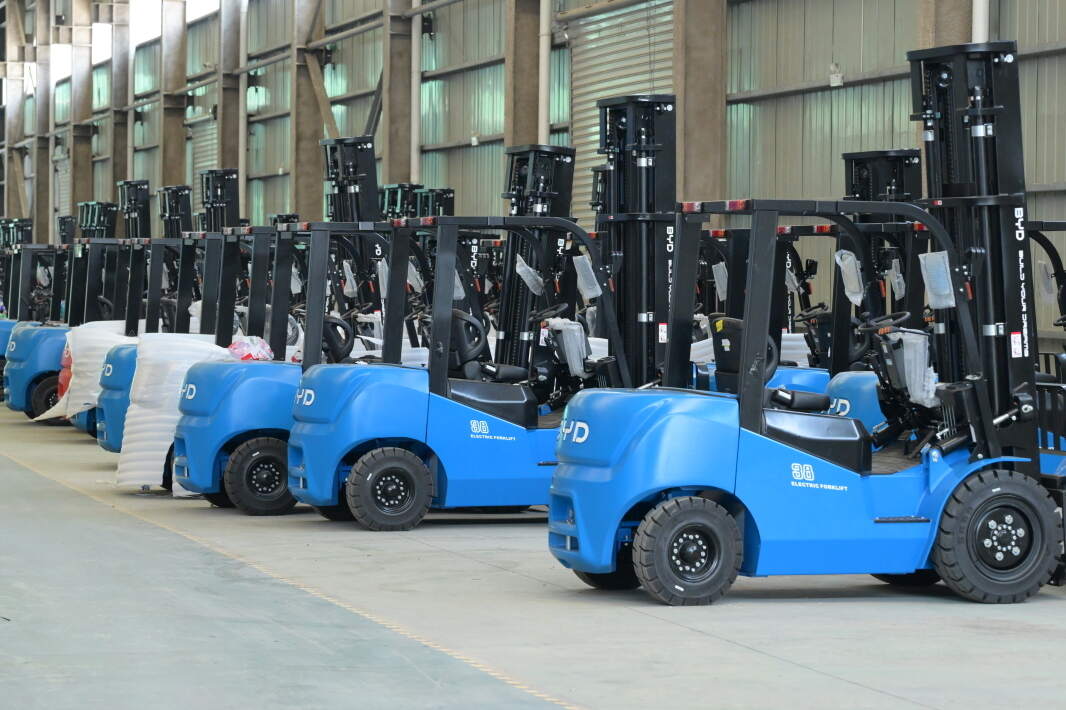
Against the background of rapid development of modern warehouse logistics, electric forklifts have become one of the most widely used core material handling equipment, with more and more practitioners paying attention to its standardized usage and full value release. This guide sorts out practical, verified operation and application points for frontline operators and equipment managers, to support the stable operation of handling links.
Core Values of Standardized Electric Forklift Management
Compared with traditional internal combustion handling equipment, electric forklifts feature low local noise, no on-site exhaust emission, which can meet the environmental protection requirements of closed indoor storage spaces. Scientific and standardized full-process management can effectively reduce unnecessary energy consumption loss, cut long-term operating costs, and lower the hidden safety risks in daily operation. Reasonable management rules also help prolong the overall service cycle of the equipment, and bring more stable output for daily handling tasks.
Daily Operation Specification Requirements
All operators are suggested to complete systematic pre-job skill training before independent operation. Before each shift, personnel need to walk around the whole vehicle to check the tire wear status, brake system sensitivity and battery shell integrity. Do not operate the device beyond the rated load range, turn on the prompt alarm when steering in narrow aisles, cut off the power supply in time during long-time shutdown, and avoid stacking and unloading goods on non-specified slopes to prevent sideslip risk. Operators are also advised to keep proper driving speed according to on-site personnel flow and cargo density.
Routine Maintenance Key Points
Battery pack maintenance occupies the core position of electric forklift daily management. Operators shall follow the proper charging specification to complete the charging and discharging process, do not keep the battery in full power deficit status for a long time. Clean the dust and sundries on the vehicle surface regularly, check the sealing performance of the hydraulic system, arrange professional technicians to conduct full vehicle performance inspection on schedule, replace worn parts in time to reduce the probability of sudden failure. Regular maintenance work can effectively avoid unexpected downtime in peak operation periods.
Scenario Adaptation Optimization Tips
For different application scenarios, personnel can adjust the usage strategy of electric forklifts to match actual demands. For high-shelf storage scenarios, select the model with matched lifting height, for heavy cargo handling scenarios, choose the equipment with corresponding load capacity. For low-temperature working environments, take proper thermal insulation measures for the battery pack to extend the battery life per charge, to adapt to multi-shift operation arrangement. Mastering these practical operation and management points can help the logistics team give full play to the performance advantages of electric forklifts, and build a safer, more efficient and environment-friendly material handling operation system.


