
 简体中文
简体中文 Русский
 Français
 Português
 Español
 لالعربية
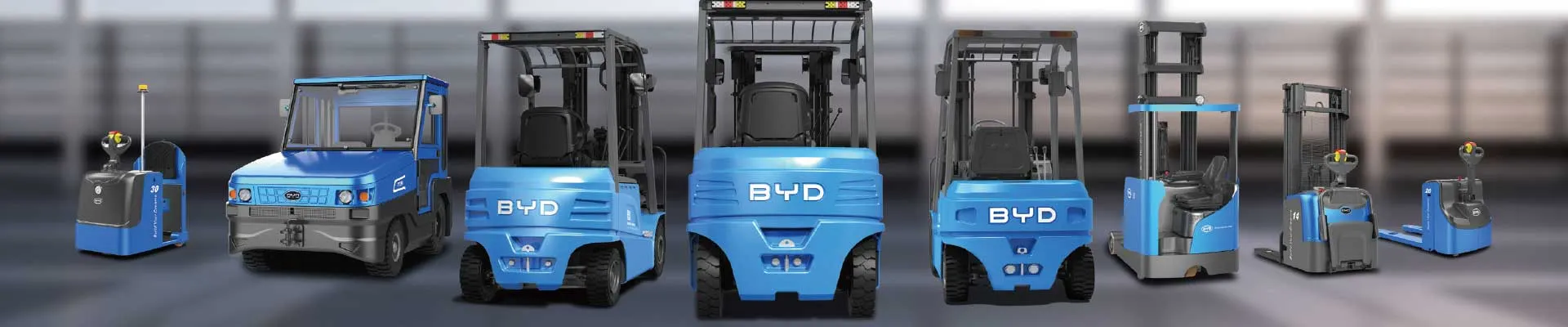
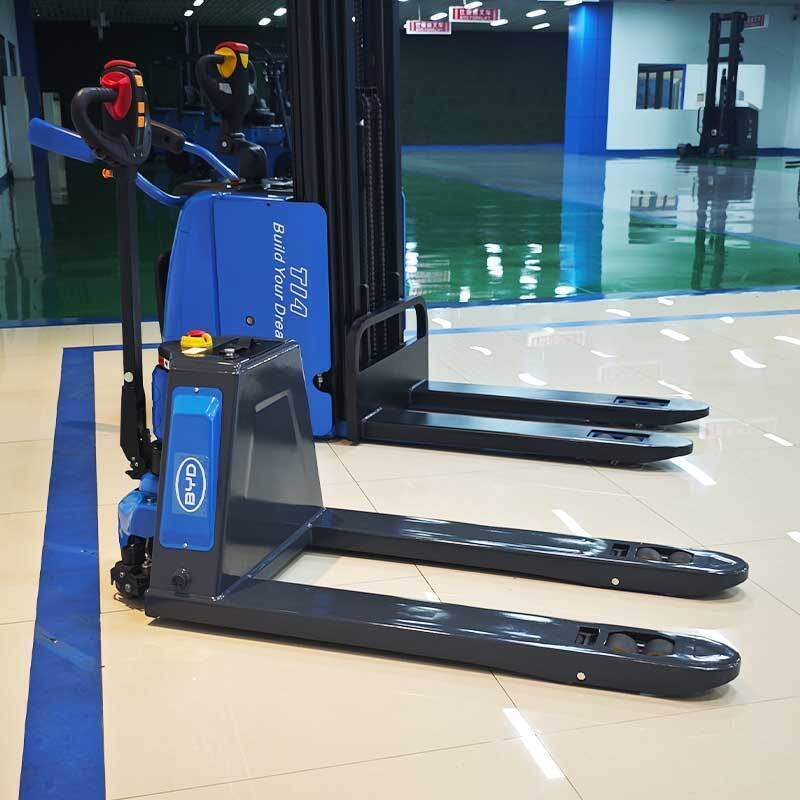
With the continuous popularization of low-carbon logistics concepts in recent years, electric forklifts have been widely applied in indoor warehouses, manufacturing workshops and port cargo handling scenarios, bringing obvious energy-saving advantages compared with traditional fuel-powered handling equipment. Mastering systematic operation and maintenance knowledge can help operators give full play to the performance advantages of electric forklifts, reduce unnecessary operation risks, and extend the overall service life of the equipment.
Core Safe Operation Specifications for Electric Forklifts
Before each formal operation, operators need to conduct full pre-check on key components, including the flexibility of the braking system, the accuracy of the power display panel, the sensitivity of the steering structure and the integrity of the warning lights. During the operation process, the actual load should not exceed the rated load limit marked on the equipment body, reduce the driving speed when turning, sound the warning horn in advance when passing narrow aisles, and strictly prohibit carrying extra personnel on the working platform of the forklift. When driving on a gentle ramp, keep the load facing the uphill direction, avoid sudden braking and sudden acceleration, and do not park the equipment on the slope for a long time.
Routine Daily Maintenance Best Practices
After completing the daily operation tasks, operators need to clean up the sundries and residual goods debris attached to the surface of the vehicle body in time, check the tightness of the battery connection terminals regularly to avoid oxidation or poor contact caused by moisture. Check the wear degree of solid tires or pneumatic tires regularly, replace the aging tire accessories in time when the wear limit is reached, and keep the liquid level of hydraulic oil within the specified range. Avoid completely draining the power of the battery before charging, follow the standard charging process recommended by industry specifications, and place the parked equipment in a dry and ventilated area, perform periodic supplementary charging for the battery when the equipment is idle for a long time to avoid irreversible capacity loss.
Efficiency Enhancement Tips for Long-Term Usage
Operators can select different power operation modes according to actual working conditions, switch to energy-saving mode when carrying light loads, which can effectively reduce power consumption and extend the driving range of a single charge. Enterprises can arrange regular normative training for operation teams to reduce equipment wear caused by misoperation, reasonably plan the material handling route in the warehouse, reduce the ineffective driving mileage of forklifts, further improve the overall turnover efficiency of logistics links, and control the comprehensive operation cost of the handling system within a reasonable range. With the continuous expansion of application scenarios, these standardized operation and maintenance methods can help electric forklifts adapt to more diversified material handling demands.


