
 简体中文
简体中文 Русский
 Français
 Português
 Español
 لالعربية
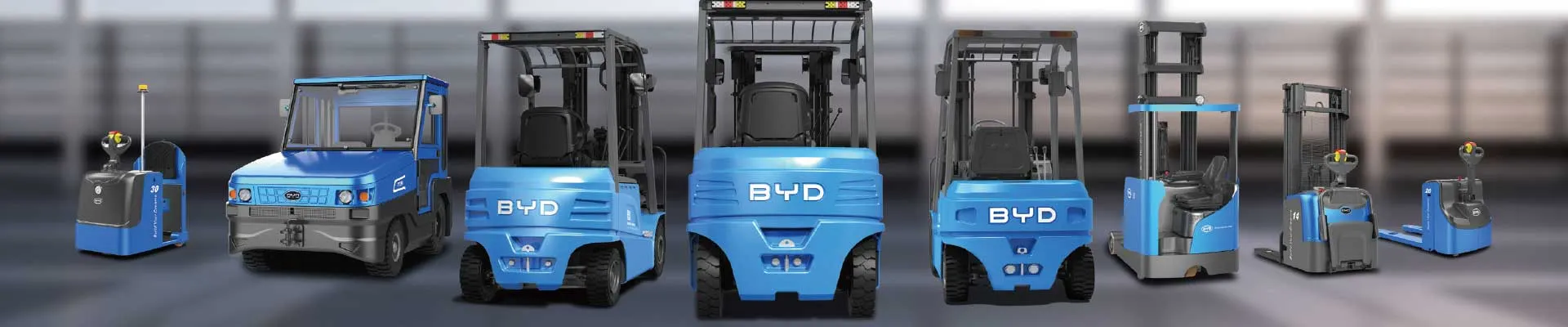
.jpg "Electric pallet jack practical performance for goods-receiving workflows at large wholesale-distribution yards(figure1)")
Large wholesale-distribution yards usually undertake a huge volume of daily incoming cargo, with dozens of heavy trucks arriving at designated loading bays during peak operation hours. The goods-receiving workflow covers a series of links including offloading from truck beds, cargo quantity check, quality verification, and temporary transfer to the pre-staging area. Traditional manual pallet jacks require operators to exert continuous physical force to push or pull loaded pallets, which easily leads to extra fatigue after several rounds of repeated handling, and reduces the overall smoothness of the whole workflow. Electric pallet jacks are designed to provide power assistance for moving loaded pallets, and their practical performance fits the operation demands of such scenarios very well.
In terms of basic operation adaptability, most standard electric pallet jacks can run stably on the common ground of goods-receiving areas, including flat cement pavement and gentle ramp sections connecting to loading platforms. The compact body structure and reasonable turning radius allow operators to move the equipment flexibly in the narrow gaps between queued trucks and stacked pallets, without requiring frequent position adjustment to pass through crowded zones. The smooth power output avoids sudden jolt that may cause damage to packaged goods on the pallets, keeping the intact state of incoming cargo during the whole transfer process.
For the specific links of goods-receiving workflows, electric pallet jacks support frequent start and stop operations without extra labor cost. Operators can pause the equipment right beside the cargo pile to finish barcode scanning, quantity counting and document checking, and resume transfer immediately after the verification work is completed. The operation learning threshold is quite low, new frontline staff can master the basic operation steps after short-period of safety training, no long-term adaptation process is required. For teams that run 2 to 3 shifts per day to handle large incoming cargo volume, the equipment can maintain stable working state within the full shift duration with proper battery maintenance, and will not generate obvious power attenuation that disturbs the normal operation schedule.
From the perspective of comprehensive operation benefit, the built-in safety response mechanism of common electric pallet jacks can help operators make quick stop in the busy goods-receiving zones with high pedestrian flow, effectively reducing the probability of accidental collision with passing staff or scattered cargo piles. The regular daily maintenance work only includes routine check of battery status and running components, which will not take up too much valuable operation time of the warehouse team. With proper use, such equipment can effectively reduce the physical burden of frontline handling staff, and promote the overall turnover efficiency of the goods-receiving workflow in large wholesale-distribution yards.


