
 简体中文
简体中文 Русский
 Français
 Português
 Español
 لالعربية
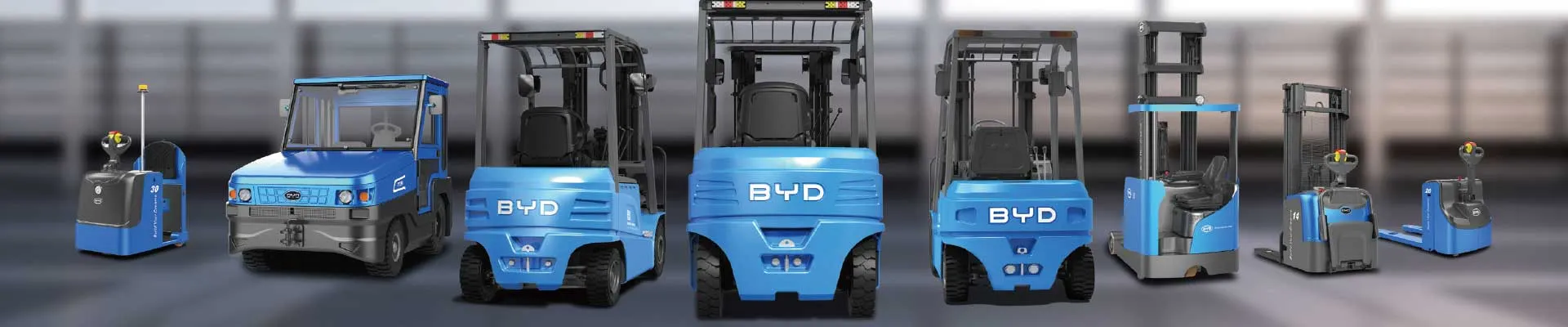
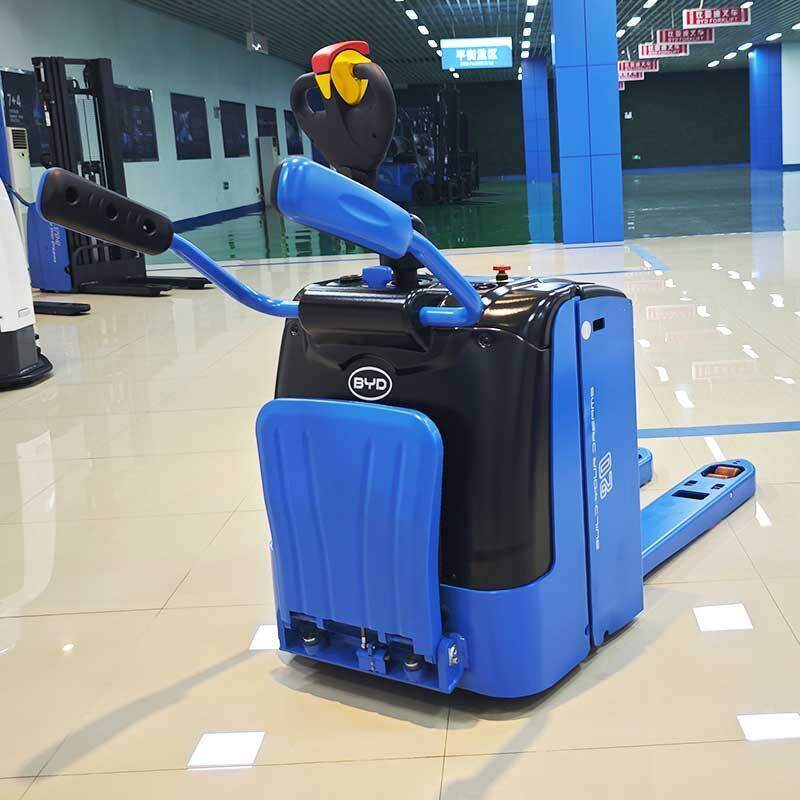
As low-carbon logistics becomes the mainstream trend in the material handling industry, electric forklifts have gradually become the preferred equipment for most indoor storage scenarios, bringing stable, low-noise and low-emission operation experience for frontline logistics workers. Many operators and warehouse managers still have confusion about giving full play to the value of such equipment in daily work, so this guide sorts out practical and systematic knowledge from multiple dimensions for reference.
Core Performance Advantages of Electric Forklifts
Compared with traditional internal combustion handling equipment, electric forklifts rely on battery power output, which will not produce exhaust gas that pollutes indoor air during operation. Their overall vibration and noise level are kept at a relatively low range, which can reduce the fatigue of operators during long shifts. Most models adopt integrated transmission structure, which has more stable output of power parameters when carrying loads within the rated range.
Standard Operation Specifications for Safe Use
Before starting the equipment every time, operators need to check the remaining power status, the flexibility of lifting and steering components, and the wear condition of tires to avoid hidden dangers in subsequent operation. During the driving process, keep the vehicle body running at a low speed when turning, passing narrow aisles or meeting pedestrians, and do not carry out over-height or over-load handling operations beyond the equipment’s specified parameters. After the daily operation is finished, park the forklift in the designated storage area, lower the fork to the horizontal position close to the ground, and cut off the power supply properly.
Daily Maintenance Suggestions to Stabilize Performance
Do a good job of daily cleaning of the equipment body, remove the dust and sundries accumulated on the surface of the battery and the heat dissipation parts regularly, to avoid affecting the normal heat dissipation effect. Follow the official specified cycle to check the connection tightness of the electrical circuit, and replenish the corresponding electrolyte for the battery according to the operation guidance when necessary. Do not place the equipment in a humid environment with extreme temperature difference for a long time, which can effectively reduce the probability of component aging.
Application Optimization for Different Scenarios
For narrow-aisle warehouse scenarios, you can adjust the corresponding operation response parameters according to the actual space size to improve the passing efficiency. For frequent high-intensity handling scenarios within the rated load range, arrange reasonable shift charging plans to ensure the continuous operation capability of the equipment.


