
 简体中文
简体中文 Русский
 Français
 Português
 Español
 لالعربية
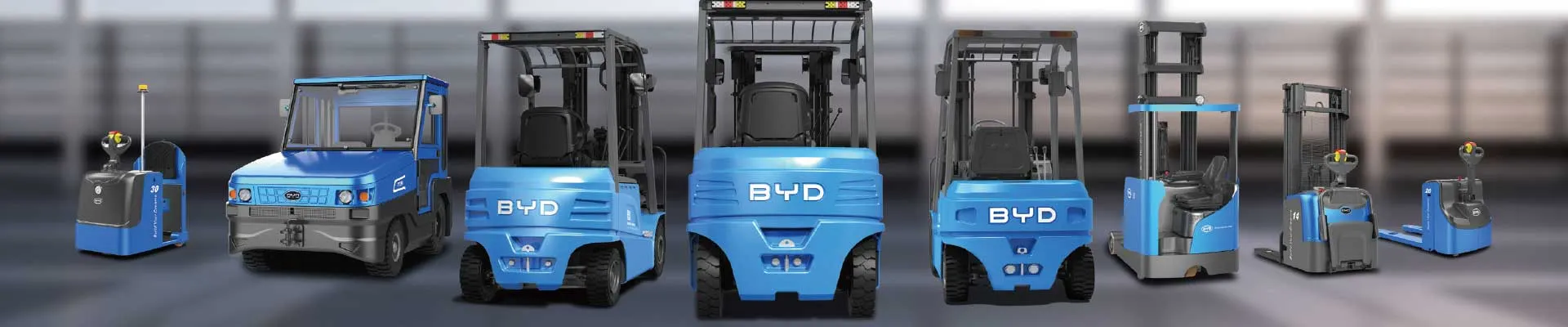
For electronic assembly plants, the internal turnover of finished electronic products features high requirements for operation stability, no dust pollution, and low noise interference, which puts forward higher standards for the selection and deployment of industrial handling equipment. In recent years, more manufacturing sites have chosen electric forklifts as the core tool for finished-goods turnover, and the accumulated practical deployment experience can provide valuable reference for peer factories.
Before formal large-scale deployment, the plant management team needs to conduct full investigation of the actual operation scenarios first. Different from the handling of raw materials or semi-finished parts, the turnover of finished consumer electronics or industrial electronic products requires the equipment to have low vibration output during driving and lifting processes, to avoid accidental collision and scratch on the appearance of finished products. The team shall map all the turnover paths of finished products from the final assembly line outlet to the temporary buffer zone, and then to the finished product warehouse, record the width of each passage, the slope of the transition zone, the weight range of the turnover goods, and the maximum height of the stacking demand, to match the corresponding parameters of the electric forklift fleet, and avoid the mismatch of equipment performance and actual demand.
After the equipment enters the site for trial operation, the operation management team can adjust the operation division of the electric forklift fleet according to the peak and valley characteristics of the finished goods output. For example, in the 1-2 hour window after the final assembly batch is completed, arrange more equipment to be put into the short-distance transfer from the assembly outlet to the buffer zone, and allocate a small number of equipment to be responsible for the later batch storage of goods in the buffer zone during the normal production period, so as to avoid equipment idle or operation congestion. It is also necessary to set up special power exchange or charging zones outside the core production and storage area, to prevent the hidden safety hazards caused by frequent battery operation in the finished product storage area.
Long-term stable operation also needs the support of standardized management mechanisms. The plant can arrange regular daily inspection for each electric forklift before the shift, check the brake sensitivity, lifting flexibility, and remaining power status, and arrange regular maintenance every certain operating hours, to reduce the failure rate in the operation process. The targeted operation training for on-site operators shall also cover the operation essentials of low-speed driving in the narrow passage, the protection measures for loading fragile finished products, and the emergency response process under abnormal conditions, to continuously improve the safety and efficiency of the whole finished-goods turnover link.


