
 简体中文
简体中文 Русский
 Français
 Português
 Español
 لالعربية
.jpg "Can a Lithium Forklift Battery Drop Into an Older Electric Truck?(figure1)")
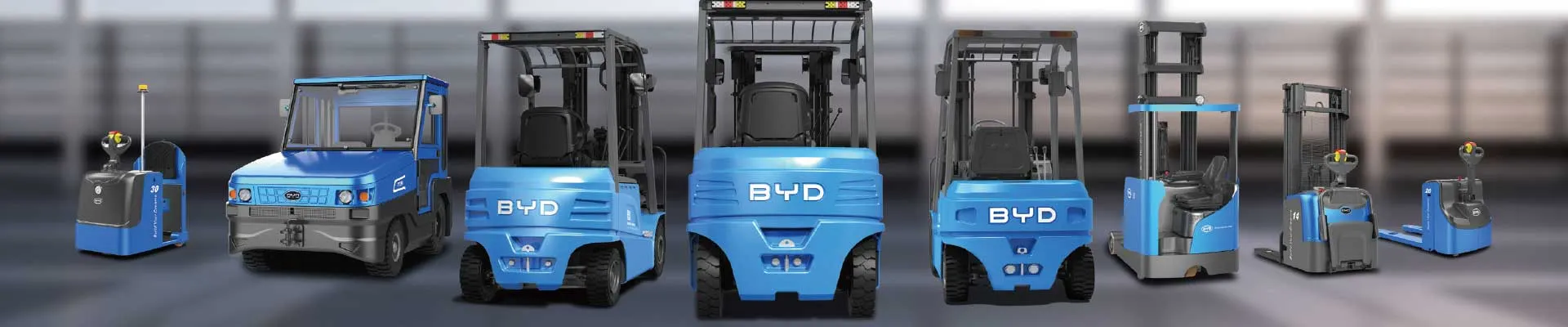
As the logistics and warehousing industry continues to promote low-carbon transformation and fine cost control, electric forklifts have become the core material handling equipment for most indoor and semi-outdoor operation scenarios. Different from traditional internal combustion forklifts, electric models have unique performance characteristics, which require operators and site managers to grasp targeted operation and management rules to give full play to their inherent working advantages.
Core Points of Standardized Electric Forklift Operation
Standardized operation can effectively reduce unnecessary energy consumption, avoid abnormal wear of power components, and reduce the probability of sudden equipment failure during peak operation periods. Operators need to complete full pre-operation inspection before each shift, including checking the remaining power of the power system, the flexibility of the lifting and steering mechanism, and the sensitivity of the braking and safety protection devices, to confirm that all indicators meet normal operation requirements before starting the equipment. It is not recommended to overload cargo beyond the rated load mark for a long time, nor to lift personnel through pallets or other non-professional supporting tools to carry out high-altitude operations, so as to avoid unnecessary safety risks in the working site.
Daily Maintenance Norms for Electric Forklifts
Scientific daily maintenance is the key measure to extend the stable service life of electric forklifts. After each daily operation, the surface of the equipment should be cleaned in time to remove accumulated dust, cargo residues and sundries that may enter the gap of moving parts, and the power system should be charged according to official operation guidelines, avoiding long-term full discharge or insufficient charging to damage the battery performance. Enterprises can formulate targeted regular maintenance plans according to actual operation intensity, to check the wear degree of tires, the lubrication state of transmission parts and the tightness of electrical connections, and arrange professional personnel to deal with abnormal parts in time, instead of disassembling core electrical components without professional guidance.
Application Scenario Optimization Suggestions
In the daily warehouse material handling process, operators can plan driving routes reasonably according to site space and cargo distribution, reduce frequent sharp turns and sudden braking, further improve operation efficiency while reducing unnecessary energy consumption. For operation scenarios with frequent access to narrow aisles and high-frequency loading and unloading of goods, electric forklifts with matching parameters can be selected to adapt to actual operation demand, so as to maximize the comprehensive use value of the equipment.


