
 简体中文
简体中文 Русский
 Français
 Português
 Español
 لالعربية
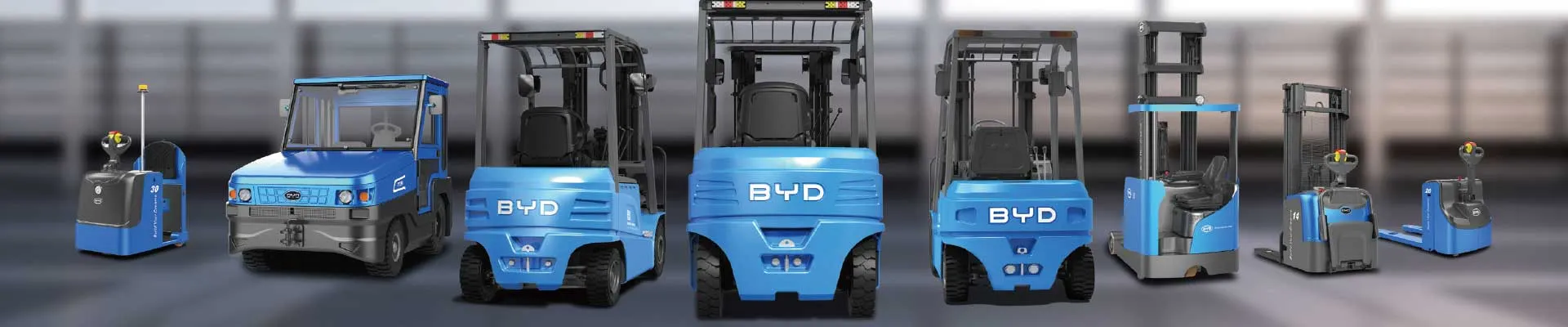
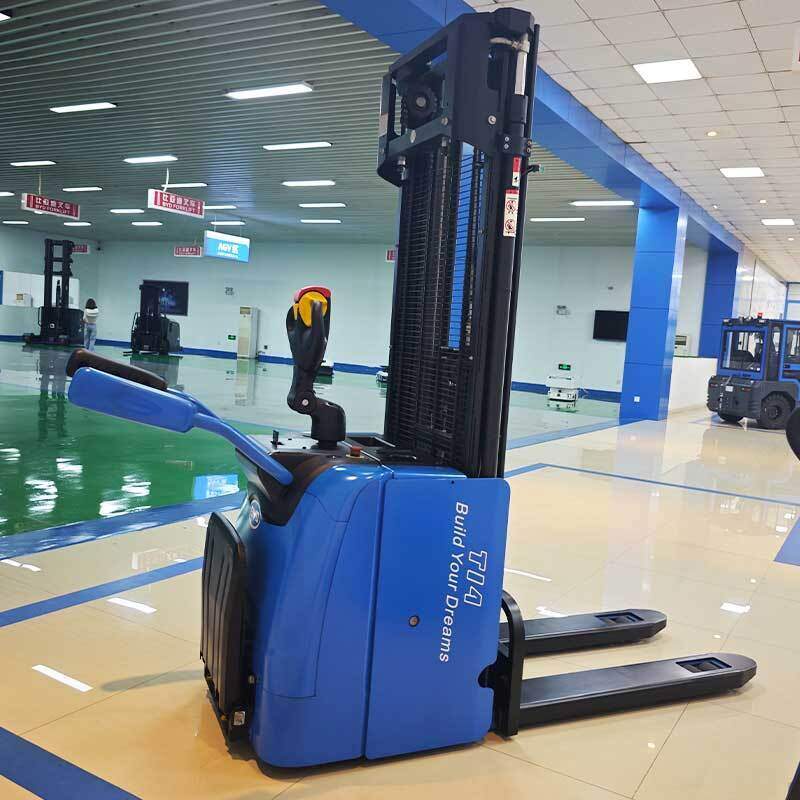
As the application scope of electric forklifts continues to expand in modern industrial logistics and warehousing scenarios, mastering professional operation and maintenance knowledge can help relevant practitioners give full play to the advantages of this type of material handling equipment, reduce unnecessary operation risks and control comprehensive usage costs.
Basic Specifications for Standard Electric Forklift Operation
Before starting any operation, operators need to complete pre-operation inspections covering the power system, brake components, steering structure and load bearing parts, to confirm there is no abnormal wear or hidden trouble. During the operation process, operators should keep a stable driving speed according to the on-site road condition and cargo weight, avoid sharp turning or sudden braking actions, and strictly follow the on-site safety traffic rules of the working area. When picking up and placing goods, adjust the fork height and tilt angle reasonably according to the cargo packaging characteristics, to prevent the goods from slipping or falling accidentally. Operators should also reserve enough safe distance from surrounding personnel and facilities during the whole working process.
Scientific Routine Maintenance Points
Daily maintenance work of electric forklifts can be divided into daily shift inspection, weekly partial check and regular deep maintenance according to different usage frequency. For the power supply system, operators should follow the official charging specifications, avoid over-discharging or long-term overcharging, and clean the surface dust of power components regularly to ensure good heat dissipation effect. For the mechanical moving parts, add professional lubricant on schedule to reduce the friction loss between metal structures, and check the wear degree of tire and transmission parts regularly to replace the aging accessories in time. Properly recorded maintenance logs can also help track the equipment status for a long time.
Practical Methods to Improve Operation Efficiency
Combined with the actual layout of the work site, operators can plan the optimal handling route in advance according to the daily cargo flow direction, reduce the empty driving distance, and reasonably allocate the operation task time to avoid centralized peak operation. For different types of cargo, select the matching fork accessories and adjust the load weight reasonably within the allowable range of the equipment, so as to give full play to the stable loading and transporting capacity of unit operation. Operators can also accumulate practical operation experience in long-term use, gradually form a stable and smooth operation habit, and further reduce extra energy consumption generated in the operation process. Mastering these practical skills can help enterprises obtain more stable use effect of electric forklifts in long-term industrial material handling scenarios.


