
 简体中文
简体中文 Русский
 Français
 Português
 Español
 لالعربية
.jpg "The Long Game: Why LiFePO4 Cycle Life Saves Money Over Years(figure1)")
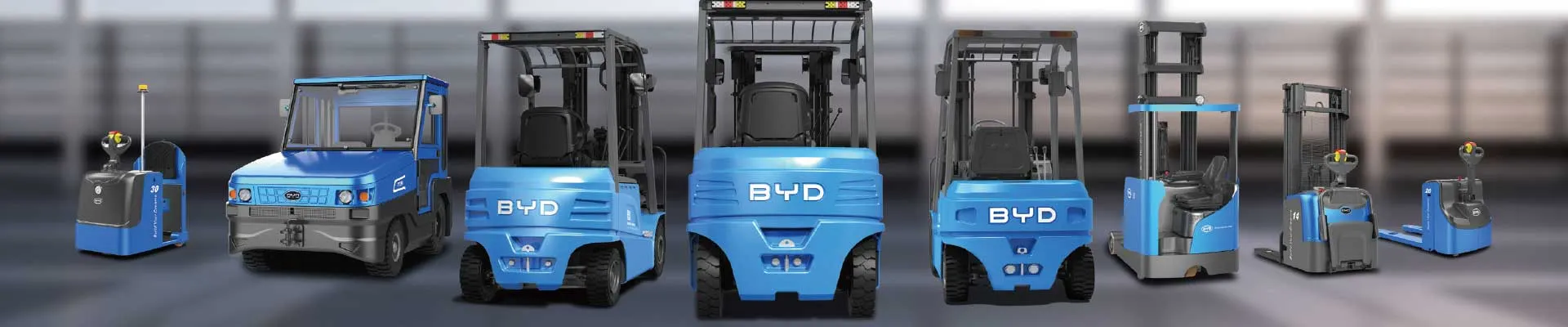
As the core equipment of modern warehouse material handling, electric forklift has been widely adopted across logistics, manufacturing and retail storage sectors for its low noise, zero on-site emission and flexible operation features. Many warehouse teams do not fully master the proper operation and maintenance logic, which leads to unnecessary performance loss and shortened service cycle in daily use. This guide sorts out industry-recognized practical methods for all frontline operators and equipment managers.
Core Pre-operation Inspection Protocols
Before starting any shift operation, operators shall complete a full range of quick checks covering multiple core parts. The first step is to confirm the remaining battery power level, and check whether the connecting parts of the power supply have abnormal loosening or liquid leakage traces. Then operators need to test the flexibility of lifting mechanism, steering system and braking function under no-load state, to make sure all control components respond smoothly without lag. Operators also need to check the tire surface condition, clear the sundries stuck in the gap of tire tread, to avoid sideslip risk during subsequent high-frequency handling operation.
Scientific Daily Operation Habits to Reduce Wear
In the daily operation process, operators shall keep stable operation rhythm as much as possible, avoid frequent sudden acceleration and sudden braking that brings extra impact load to the motor and battery. When loading goods, people shall place the goods evenly on the fork surface, control the center of gravity of the goods within the allowable range marked on the equipment specification, to avoid side tilt or unbalanced load that causes extra loss of support structure. When the equipment alarms for low power, users shall arrange charging in time at the designated special charging area, do not force the equipment to continue working under low power state, which will cause irreversible damage to the internal battery structure.
Rational Scheduled Maintenance Arrangement
According to the actual working frequency of the equipment, the management team can formulate targeted regular maintenance plan. For the equipment that works more than 6 hours per day, it is recommended to arrange professional personnel to check the wear degree of transmission parts and lubricate the connecting rotating parts every two weeks. The interior of the battery compartment shall be cleaned regularly to remove the accumulated dust and debris, to maintain good heat dissipation performance during long time operation. All maintenance records shall be properly filed, to track the performance change trend of each single equipment, and arrange parts replacement at the proper time before potential failure occurs. By following the above practical operation and management norms, warehouse teams can give full play to the inherent advantages of electric forklift, obtain more stable long-term operation output, and better support the realization of low-carbon and efficient material handling targets.


