
 简体中文
简体中文 Русский
 Français
 Português
 Español
 لالعربية
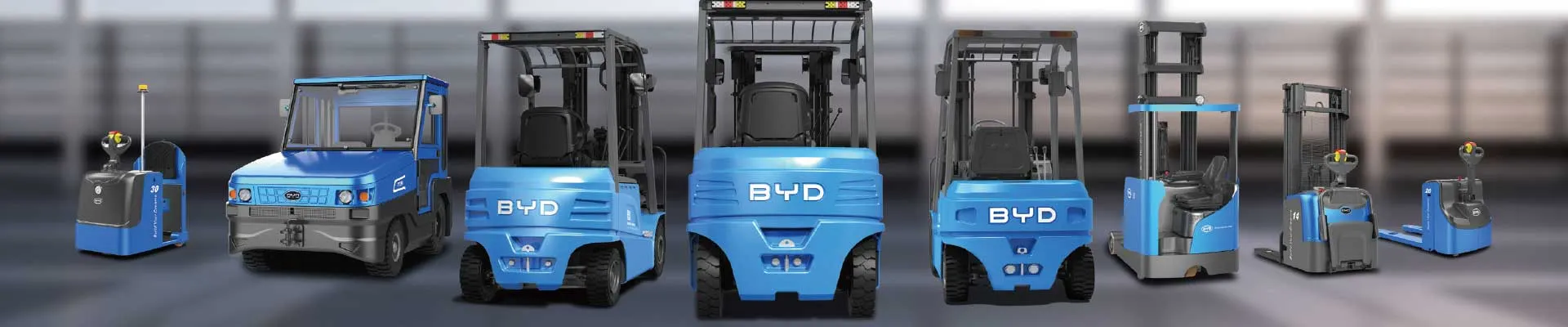
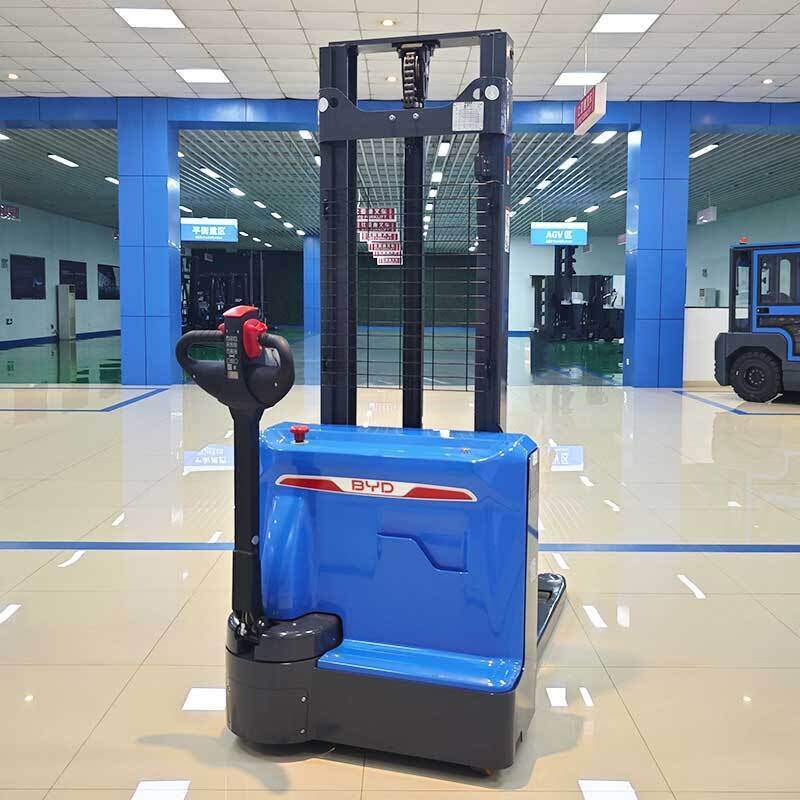
As low-carbon logistics development continues to spread across the industrial sector, electric forklifts have become one of the most widely used material handling tools for various warehouse, manufacturing and distribution scenarios in recent years. Mastering systematic knowledge of electric forklift application can help relevant operators give full play to the equipment’s value and reduce unnecessary use risks in daily work.
Core Functional Advantages of Electric Forklifts
Unlike traditional internal combustion handling equipment, electric forklifts rely on electric power drive, which produces no local exhaust emissions during the whole working process, making them suitable for enclosed indoor working environments with strict air quality requirements. The overall noise level of electric forklifts during operation is significantly lower than that of fuel-driven counterparts, which can reduce noise interference to surrounding staff and avoid unnecessary disturbance in areas that need to keep quiet, such as office areas adjacent to warehouses. In terms of use cost, the energy consumption cost per unit running time of electric forklifts is usually at a relatively low level, which can bring long-term cost optimization for users with high frequency of use.
Standard Daily Operation Specifications
Before starting each shift of operation, operators need to conduct basic inspections on the core components of the electric forklift, including remaining battery power, brake sensitivity, lifting oil circuit sealing condition and tire surface integrity, to avoid potential safety hazards in advance. During the operation process, operators should strictly follow the load marking requirements of the equipment, not put the total weight of goods beyond the rated load range, and keep a safe distance with surrounding passing personnel and stacked goods on the driving path. When driving on sloped road sections, operators should keep the equipment moving at a low speed and avoid turning actions to prevent side slipping or goods falling.
Scientific Routine Maintenance Suggestions
For the daily maintenance of electric forklifts, users need to pay regular attention to the working state of the power system, avoid long-term over-discharge of the power unit, and supplement the power in time when the remaining power drops to the preset low threshold. The contact points of the power connection part should be cleaned regularly to avoid dust accumulation affecting the conduction effect. Besides, the lubrication state of the lifting hinge part and the wear degree of the walking parts should be checked at fixed intervals, and corresponding adjustment and replacement operations should be carried out in time when abnormal conditions are found, so as to extend the overall service life of the equipment.


