简体中文
 Русский
 Français
 Português
 Español
 لالعربية

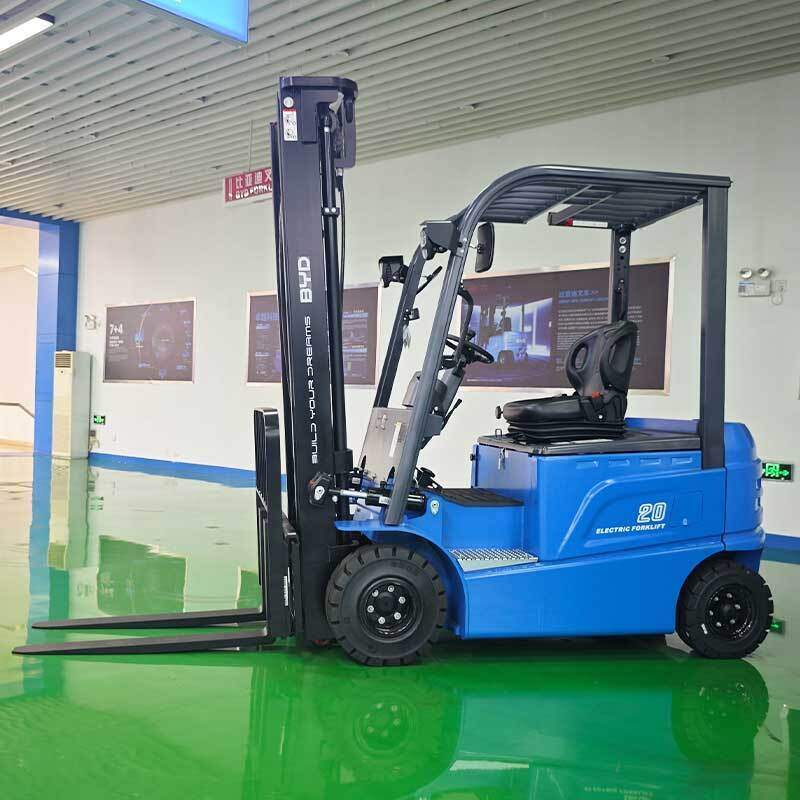
As the capital of Niger, Niamey has witnessed steady growth in demand for four-wheel forklifts in recent years, driven by expanding logistics, port transit, construction material and bulk warehousing sectors. Many local business operators face a common decision when updating their material handling fleets: choosing between traditional diesel-powered four-wheel forklifts and battery-electric four-wheel forklifts. A large number of buyers used to only compare initial purchase price, but ignoring full-lifecycle cost will often lead to unanticipated extra expenditure in the 5 to 7 year service cycle of the equipment.
In terms of initial procurement cost, conventional diesel four-wheel forklifts usually come with a relatively lower upfront price tag. The electric four-wheel forklift has a slightly higher initial purchase price, but local clean energy support policies rolled out in Niamey in recent years can offset most of the price gap between the two types of equipment for eligible local enterprises.
When it comes to daily operating cost, the fuel cost of diesel forklifts under current local oil price level in Niamey takes up a large proportion of daily operation expenditure. For a forklift that works 8 hours per day, the monthly fuel cost will accumulate to a considerable amount that cannot be ignored. For electric four-wheel forklifts, users only need to connect to widely available industrial and commercial power interfaces in local operation sites to complete charging, the energy cost per unit of working hour is only around one third of that of a diesel forklift with the same load capacity. With the growing popularization of supporting photovoltaic power supply facilities in Niamey, the electricity cost for electric forklift operation can be further reduced.
For maintenance cost, diesel forklifts need regular replacement of engine oil, filter elements and exhaust system related accessories. Under the local high temperature and dusty working environment in Niamey, the wear speed of internal combustion power systems is much faster than in mild climate areas, leading to high annual maintenance expenditure for diesel fleets. Electric forklifts do not have complex moving parts of internal combustion engines, daily routine inspection only covers battery status, brake system and tire condition, the annual maintenance cost is only about 40% of that of equivalent diesel forklifts. Electric forklifts also avoid common diesel forklift faults including oil line blockage and exhaust system malfunction, greatly reducing unplanned downtime losses.
There are also implicit cost differences between the two types of equipment. Niamey has rolled out stricter exhaust emission control rules for in-city operation sites in recent years, the operation and access permissions for high-emission diesel forklifts in urban warehouse zones and port operation areas are gradually restricted. The exhaust particulate and peculiar smell of diesel forklifts may also cause potential quality risk for goods in food and daily necessities warehouses, leading to extra inventory loss. Electric forklifts produce zero tailpipe emission, fully meeting the latest local environmental protection requirements, and fit for all categories of warehousing operation scenarios.
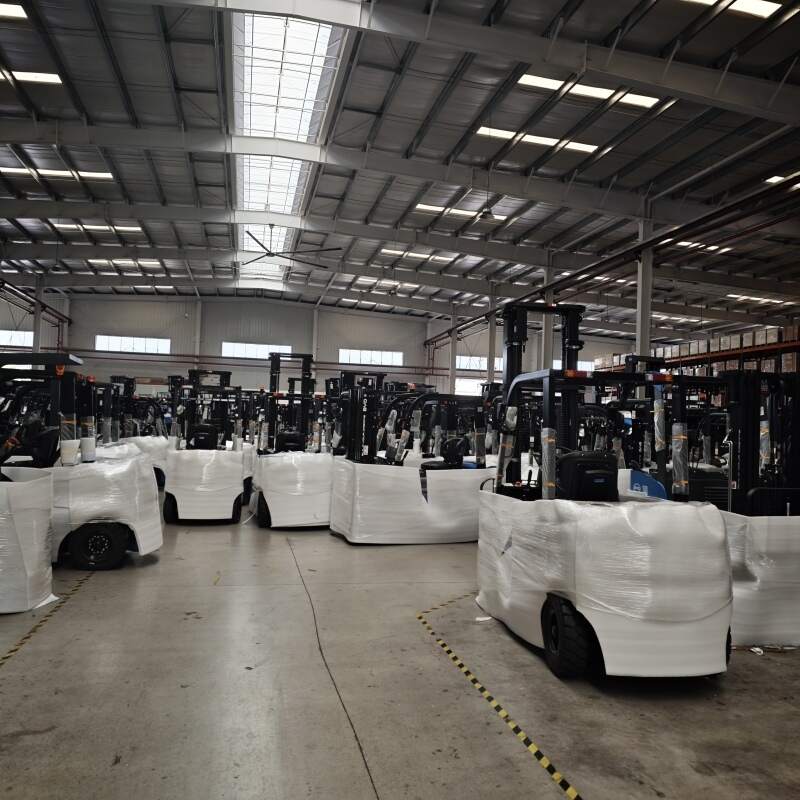
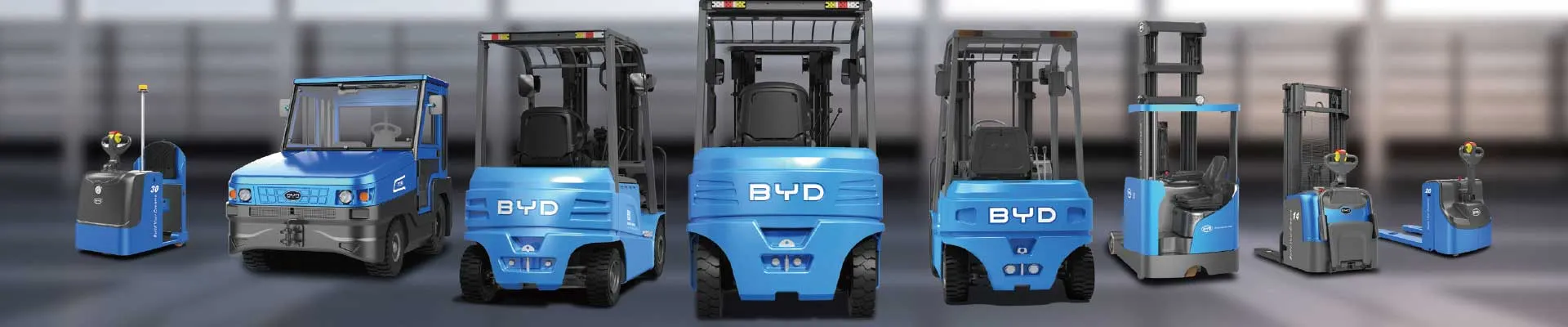
We are Jianshu New Energy, focusing on BYD electric forklifts. We provide customized full-lifecycle cost evaluation solutions for local enterprises in Niamey based on their actual operation scenarios. If you have relevant demands, please send an email to [email protected] for more detailed information.