
 简体中文
简体中文 Русский
 Français
 Português
 Español
 لالعربية
.jpg "Lithium Forklift Battery Safety: Myths, Facts and Good Habits(figure1)")
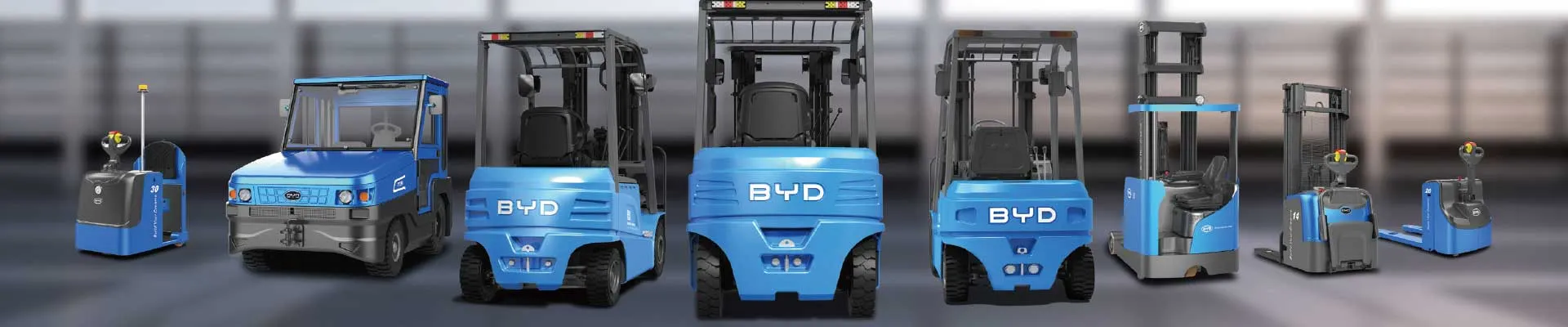
In recent years, electric forklifts have been widely adopted in various industrial warehousing, manufacturing logistics and retail distribution scenarios, due to their low noise, zero on-site emission and relatively low long-term operation cost features. Mastering standardized operation and proper maintenance knowledge can help relevant teams give full play to the advantages of this equipment, and support smooth daily material handling work.
Core Daily Safety Operation Rules
Before starting each shift, operators need to conduct a full visual check on key components including the braking system, steering structure, tire wear condition and remaining battery power, to confirm no obvious hidden risk exists. All relevant personnel should receive complete systematic training before independent operation, to get familiar with the load limit of the equipment, operating response characteristics and emergency handling methods. During operation, operators should avoid overloading beyond the rated load capacity, keep the goods in stable binding state before lifting, pay close attention to surrounding pedestrians and obstacles when moving in narrow aisles, and keep the forks at low position when driving on ramps to avoid slipping risk.
Standardized Daily Maintenance Routines
After each shift ends, operators should clean up the dust, residue and scattered sundries attached to the vehicle body, mast and fork surface in time, to avoid long-term adhesion causing corrosion or component jamming. For the power battery system, regular check on the tightness of connection terminals and electrolyte liquid level can effectively avoid unexpected power failure caused by loose contact or insufficient liquid. Operators should avoid deep over-discharge of the battery as much as possible, and arrange regular supplementary charging for the equipment that will be idle for more than one week. Regular inspection on the hydraulic sealing parts can find potential oil leakage problems in early stage, and technicians can adjust the brake clearance to the standard parameter range periodically to keep the braking performance stable.
Practical Tips for Energy Efficiency Optimization
Enterprises can sort out the daily material handling routes in advance, reduce unnecessary empty driving distance, and arrange reasonably coordinated task scheduling to cut extra energy consumption. During the operation process, keeping stable start and stop speed, avoiding frequent sharp acceleration and sharp deceleration, and controlling the lifting and lowering speed of goods at a steady level, can effectively extend the single charge working duration of the equipment. For the fixed daily handling scenes with relatively stable load, selecting a proper specification of electric forklift that matches the daily maximum load, instead of choosing an excessive power model, can also reduce unnecessary power waste in long-term operation. Following the above standardized operation and management measures, teams can keep the electric forklift in stable working condition for a long time, support continuous and efficient material handling work, and create higher practical value for the whole logistics operation process.


