
 简体中文
简体中文 Русский
 Français
 Português
 Español
 لالعربية
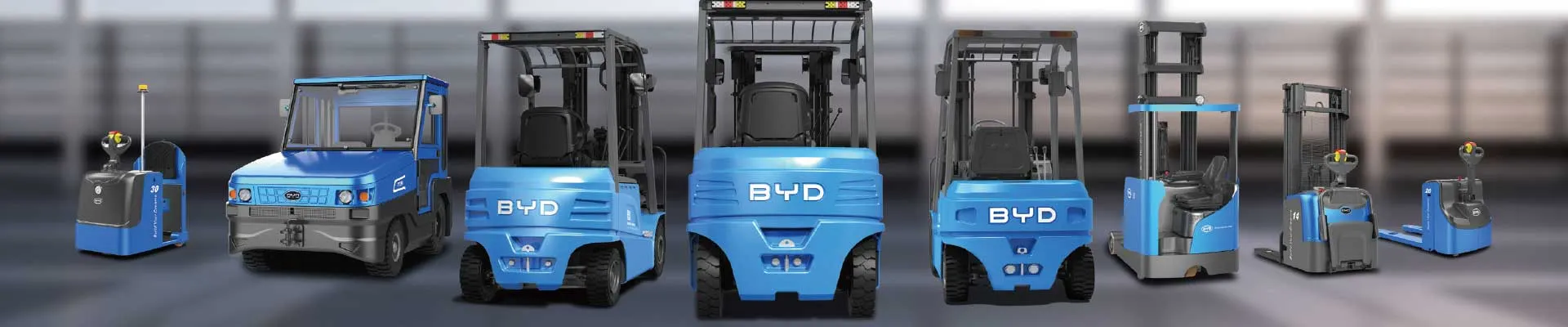
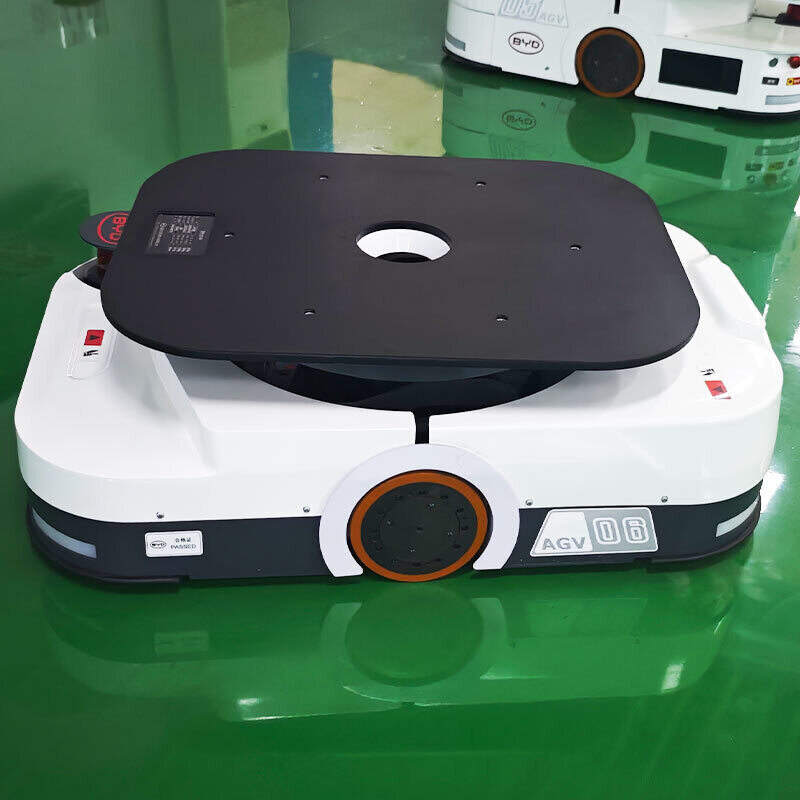
As low-carbon material handling solutions gain wider adoption across industrial storage, logistics and manufacturing sectors, electric forklifts have become a common workhorse for short-distance cargo moving and stacking. Many operators and enterprise managers still lack systematic cognition of proper usage rules, which may lead to unnecessary equipment wear and potential safety hazards. This guide sorts out practical, easy-to-follow operation and management references for relevant practitioners.
Core Pre-operation Inspection Procedures
Before starting any shift, operators need to complete a series of basic checks without omission. First, check the remaining battery level to confirm it can support the planned operation tasks of the current shift, and observe whether there is leakage or abnormal damage on the battery shell. Next, test the flexibility of the steering system, braking system and lifting hydraulic lever, confirm there is no stuck or unresponsive situation. Operators also need to check the wear degree of tire tread, confirm the light and horn components work normally before entering the formal operation area.
Standardized On-site Operation Specifications
During operation, operators should keep their attention focused, avoid sharp steering or sudden acceleration when carrying heavy loads, and keep the driving speed within the safe range set for the working scene. When stacking or unloading goods, the center of gravity of the cargo should be kept within the allowable load range of the fork, avoid overloading or uneven distribution of goods that may cause side tipping risks. When you leave the operation position temporarily, you need to lower the lifting fork to the ground level, cut off the power supply and pull the hand brake to avoid unintended sliding of the equipment.
Routine Maintenance to Reduce Failure Probability
After the daily operation ends, operators need to wipe the surface of the equipment to clear the accumulated dust and cargo debris stuck on the fork and wheel gap. Do regular deep cleaning of the heat dissipation structure of the motor to avoid dust accumulation affecting the heat dissipation efficiency. According to the usage frequency, arrange regular detection of electrical circuit aging, replace the aging insulating sheath in time to reduce the risk of short circuit. It is not recommended to place the fully discharged battery for a long time, which will cause irreversible damage to the battery activity.
Practical Energy Efficiency Optimization Suggestions
For enterprises that run multi-shift operation, reasonable arrangement of charging time during non-working peak hours can reduce the pressure of peak power consumption, and keeping the battery working in a stable temperature environment can extend the overall cycle life of the power unit. Reasonably plan the driving route of each operation task to avoid repeated long-distance back and forth driving, which can effectively reduce unnecessary energy consumption and improve the overall operation efficiency of the handling link.


