
 简体中文
简体中文 Русский
 Français
 Português
 Español
 لالعربية
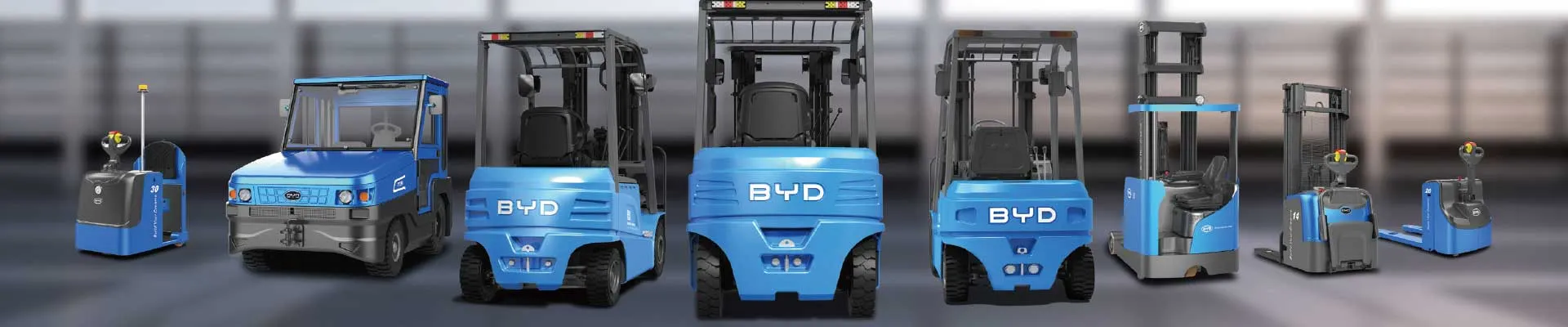
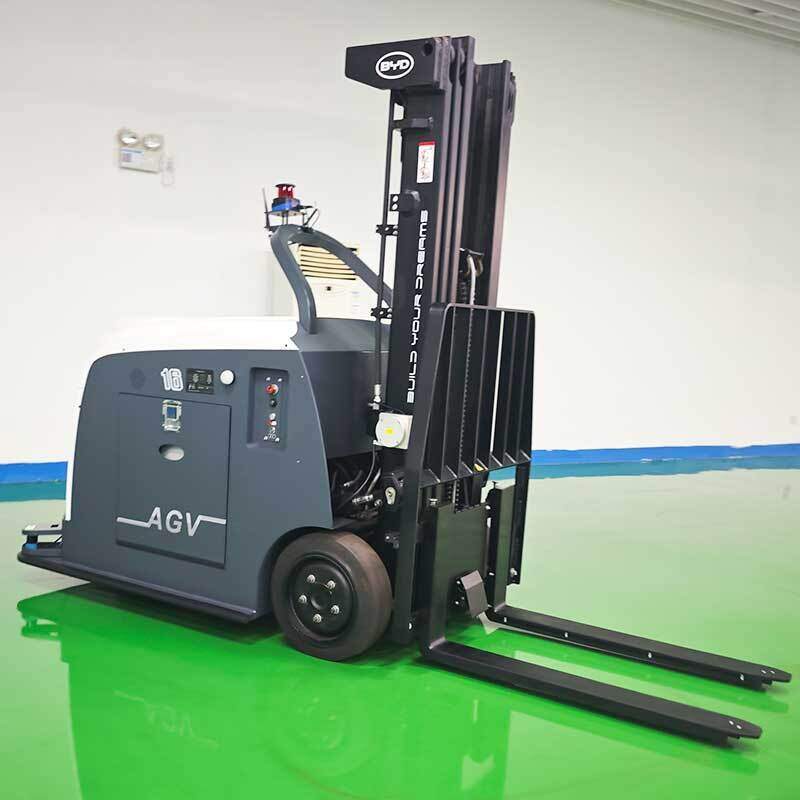
Against the background of accelerating low-carbon transformation in the industrial sector, electric forklifts have gradually become one of the most widely used material handling equipment in closed warehouse, manufacturing workshop and distribution center scenarios. This guide sorts out practical professional knowledge of electric forklift application, operation and daily maintenance for frontline practitioners and logistics managers.
Core Performance Characteristics of Electric Forklifts
Different from traditional fuel-powered handling equipment, electric forklifts rely on battery packs to provide power output, which produces no local exhaust emission during operation. The overall noise level of the equipment is significantly lower than that of internal combustion counterparts, which can reduce noise interference to working staff in relatively enclosed operation spaces. The energy consumption cost per unit operation time is at a relatively controllable level, and there is no extra expense related to fuel supply and exhaust treatment in daily use, which fits the operation demands of scenarios with high environmental requirements such as food storage and pharmaceutical logistics.
Standardized Operation Essentials for Daily Use
Before starting the equipment for daily tasks, operators need to complete routine pre-shift checks, including confirming remaining battery level, verifying flexibility of braking and steering systems, and checking the deformation condition of lifting forks and mast structures. During the moving process in warehouse aisles, operators should keep driving speed within the specified safe range, avoid sharp turning and sudden braking when carrying loaded goods, and never exceed the rated load capacity of the equipment to prevent safety risks. For equipment that will be out of use for more than 72 hours, relevant staff should arrange regular supplementary charging to avoid irreversible performance loss caused by deep battery discharge.
Scientific Maintenance Methods to Optimize Service Performance
In daily maintenance work, staff should regularly clean the dust and debris accumulated on the surface of the equipment and the heat dissipation channels, check the tightness of wiring connectors periodically, and replace the worn parts that do not meet the safety standards in time. It is not recommended to modify the power system or lifting structure of the equipment without following official guidance, which may lead to unexpected failure and potential safety hazards. Arranging regular professional inspection according to the operation manual can effectively reduce the probability of sudden equipment downtime, and extend the overall service life of the product to a certain extent. Mastering the above application and operation specifications can give full play to the use value of electric forklifts, and provide stable support for the efficient operation of the whole logistics handling link.


