
 简体中文
简体中文 Русский
 Français
 Português
 Español
 لالعربية
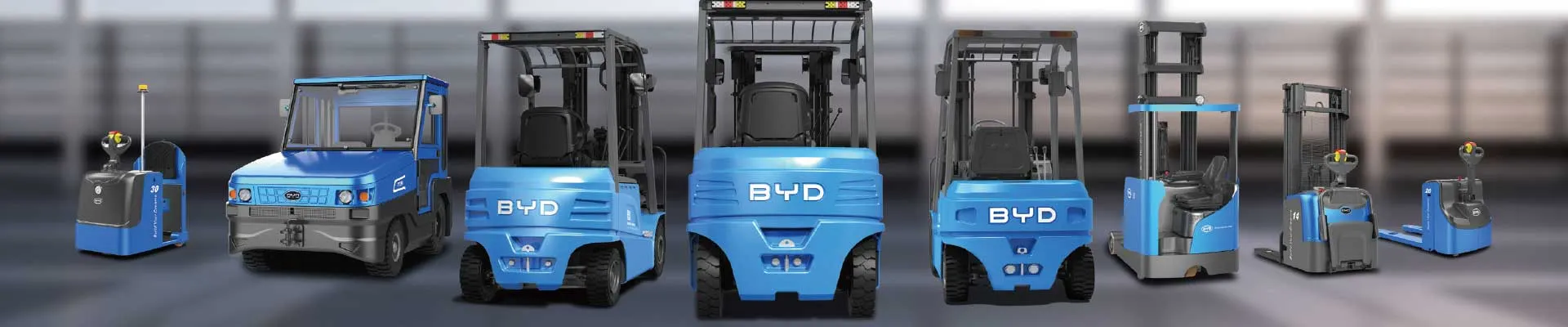
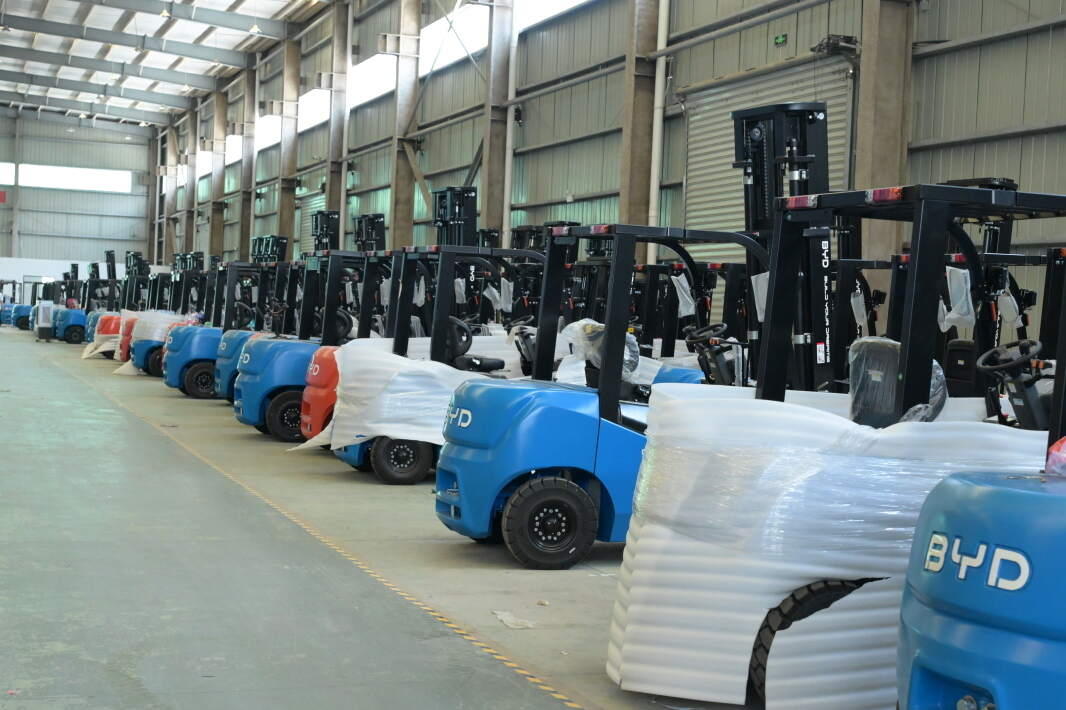
Against the backdrop of growing low-carbon logistics demands globally, electric forklifts have become one of the most widely used material handling equipment in modern warehouses, manufacturing workshops and distribution centers. Different from internal combustion forklifts, electric forklifts run on stored electric energy, featuring lower noise emission and no tail gas pollution, which fits the green operation requirements of most closed indoor operation scenarios. Mastering systematic application, maintenance and operation knowledge of electric forklifts can help enterprise teams give full play to the equipment’s performance and extend its service cycle reasonably.
Core Application Scenarios of Electric Forklifts
Electric forklifts are suitable for multiple scenarios that require frequent short-distance material transportation and stacking. In ordinary flat warehouses, they can complete cargo picking, high-level storage and pallet transfer work smoothly even in narrow aisle spaces. For food processing, pharmaceutical and other production scenarios that have strict requirements for indoor air quality, electric forklifts can meet the environmental access standards without generating exhaust fumes that may contaminate goods. Most current electric forklift models can adapt to operation environments with temperature ranging from minus 10 degrees to 40 degrees Celsius, as long as the working condition is not overloaded, the equipment can maintain stable running state.
Daily Maintenance Best Practices
Regular daily inspection and maintenance is the core premise to keep electric forklifts in good working condition. Before each shift, operators need to check the remaining power level of the battery, confirm whether the tire pressure is within the normal range, and test the flexibility of the lifting and steering system. After the operation is completed every day, the surface of the equipment should be wiped clean to remove residual dust and cargo debris deposited on the motor and heat dissipation structure, and the battery should be charged in the designated area in accordance with the specified operation process. It is not recommended to store the battery in a state of complete power loss for a long time, which may cause irreversible damage to the internal battery structure and shorten the overall service life of the power unit.
Key Points of Standard Safe Operation
Standardized operation habits can effectively reduce the occurrence of safety risks in the use of electric forklifts. Operators should receive formal skill training before taking up the post, and be familiar with the load capacity parameters of the corresponding equipment model, and never carry over-limit cargo that exceeds the rated load. When the equipment is running, the view of the operating path should be kept unobstructed, and the traveling speed should be reduced appropriately when passing through intersections and areas with dense personnel. When working in ramp areas, avoid turning on the slopes to prevent side slipping risks. After the operation is finished, the fork should be lowered to the lowest position, the hand brake should be pulled up, and the power supply should be cut off before leaving the operation position.


